 Albania
 Argentina
 Australia
 Austria
 Belgium
 Bosnia and Herzegovina
 Brazil
 Bulgaria
 Canada
 Chile
Chile
 Colombia
 Croatia
 Czech Republic
 Denmark
 Estonia
 Finland
 France
 Germany
 Greece
 Hungary
 Ireland
 Italy
Italy
 Latvia
 Lithuania
 Luxembourg
 Mexico
 Moldova
 Montenegro
 Netherlands
 New Zealand
 North Macedonia
 Norway
 Philippines
 Poland
 Portugal
 Romania
 Serbia
 Slovakia
 Slovenia
 South Africa
 Spain
Spain
 Sweden
 Switzerland
 Turkey
 Ukraine
 United Kingdom
 United States of America



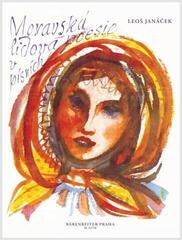
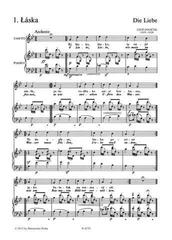
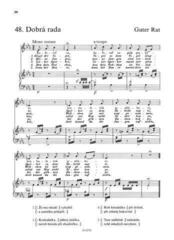
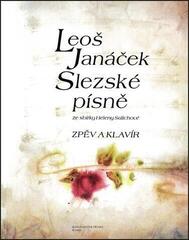
Leoš Janáček
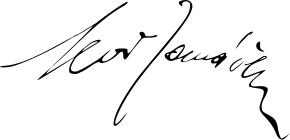
Leoš Janáček
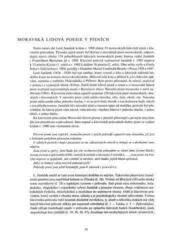
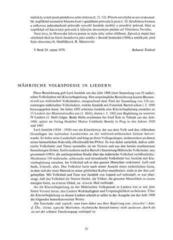
Leoš Janáček (1854–1928) was a prominent Czech composer, music theorist, folklorist, publicist, and teacher. Drawing inspiration from Moravian, Slavic, and Eastern European folk music, he developed a distinctive modern style notable for its originality and use of speech rhythms. Born in Hukvaldy and educated in Brno, Prague, Leipzig, and Vienna, Janáček spent much of his life in Brno, where he combined musical composition with extensive folk research.
Early influences included Antonín Dvořák, but Janáček’s mature works broke new ground, especially after the death of his daughter. His breakthrough came with the opera Jenůfa, which earned international acclaim and opened doors to major opera houses. Later celebrated works such as Káťa Kabanová, The Cunning Little Vixen, the Sinfonietta, and Glagolitic Mass showcased his unique blend of folk traditions, personal expression, and literary inspiration.
Janáček’s legacy was championed globally after his death, particularly by conductor Charles Mackerras. Today, he stands alongside Dvořák and Smetana as one of the foremost Czech composers, renowned for his profound influence on modern music.