 Albania
 Argentina
 Australia
 Austria
 Belgium
 Bosnia and Herzegovina
 Brazil
 Bulgaria
 Canada
 Chile
Chile
 Colombia
 Croatia
 Czech Republic
 Denmark
 Estonia
 Finland
 France
 Germany
 Greece
 Hungary
 Ireland
 Italy
Italy
 Latvia
 Lithuania
 Luxembourg
 Mexico
 Moldova
 Montenegro
 Netherlands
 New Zealand
 North Macedonia
 Norway
 Philippines
 Poland
 Portugal
 Romania
 Serbia
 Slovakia
 Slovenia
 South Africa
 Spain
Spain
 Sweden
 Switzerland
 Turkey
 Ukraine
 United Kingdom
 United States of America



How Musicians Can Make Money from Music in 2026: A Realistic Guide
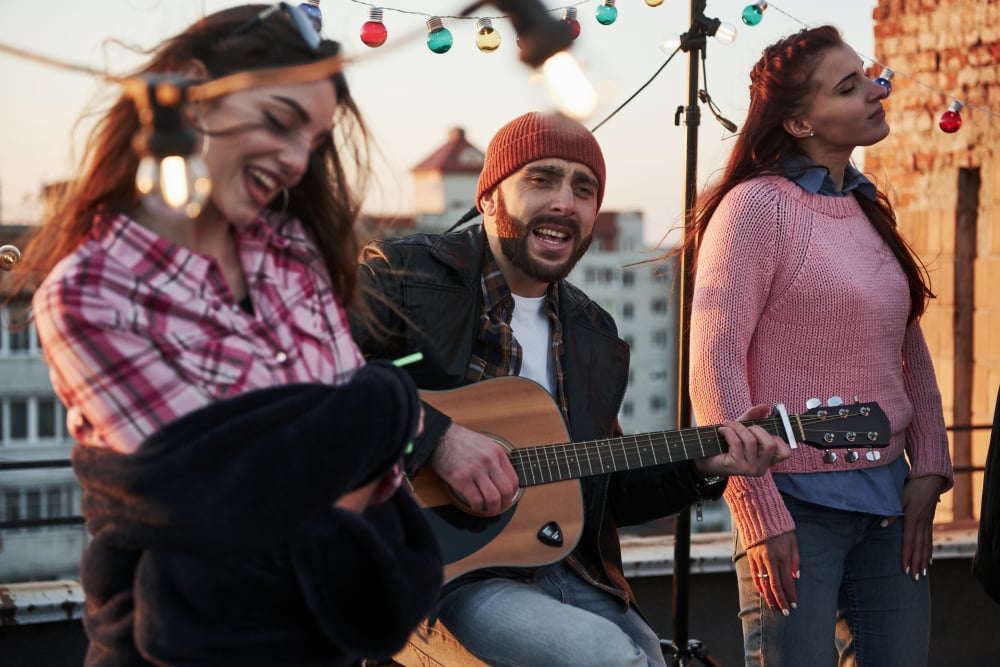
Streaming: important but rarely sufficient
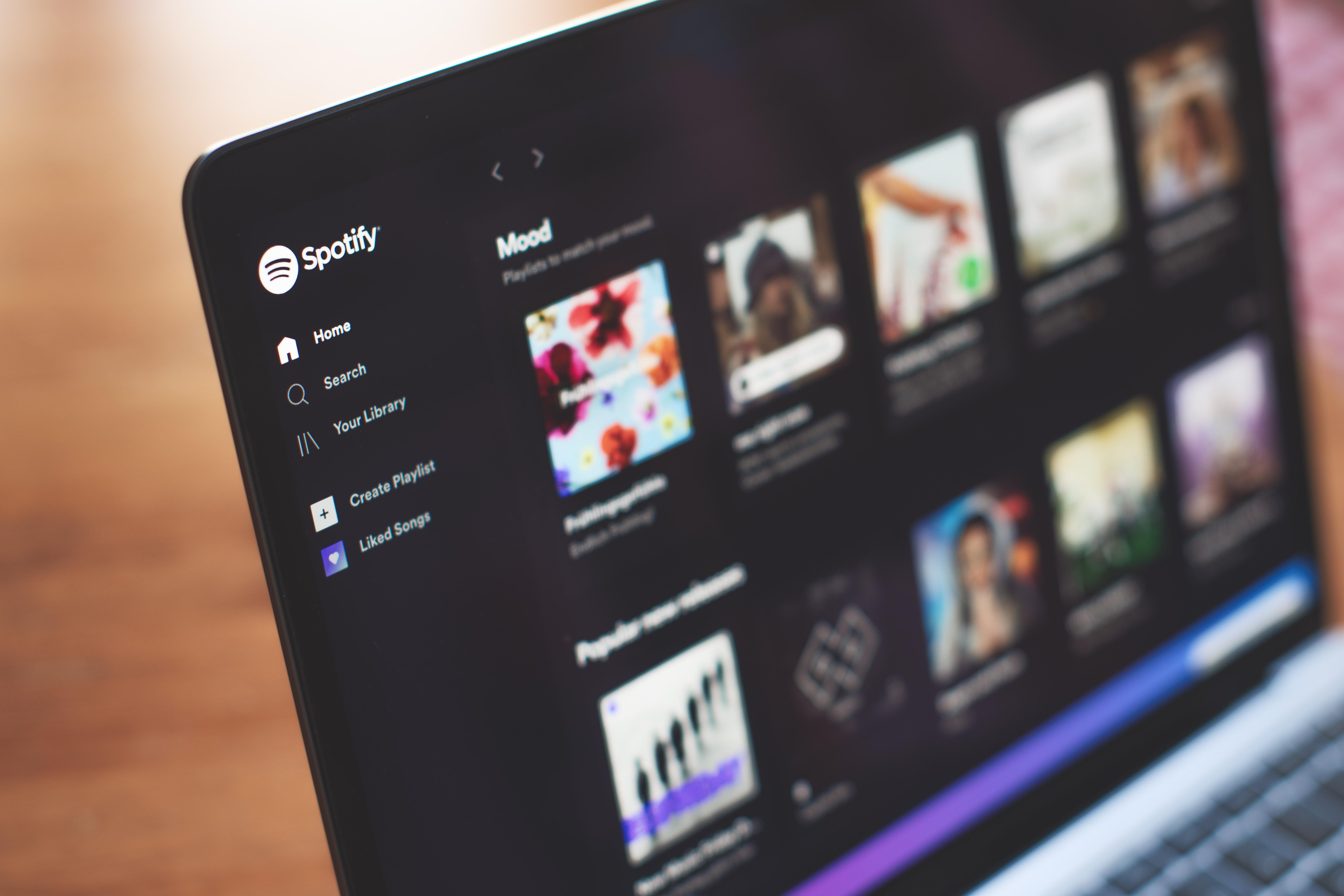
Streaming means playing music on platforms like Spotify, Apple Music, YouTube Music, or Deezer. Revenue comes from a combination of subscriptions and advertising, with the payout per play being fractions of a cent. Differences between platforms and regions are significant.
For most independent artists, streaming represents a stable but low passive income. It usually becomes a primary source of livelihood only at very high play counts.
Its main value lies in building visibility. It serves as a gateway to other activities – concerts, merchandise sales, licensing, or paid communities. Alone, it rarely ensures long-term financial stability.
Concerts, live performances, and online shows
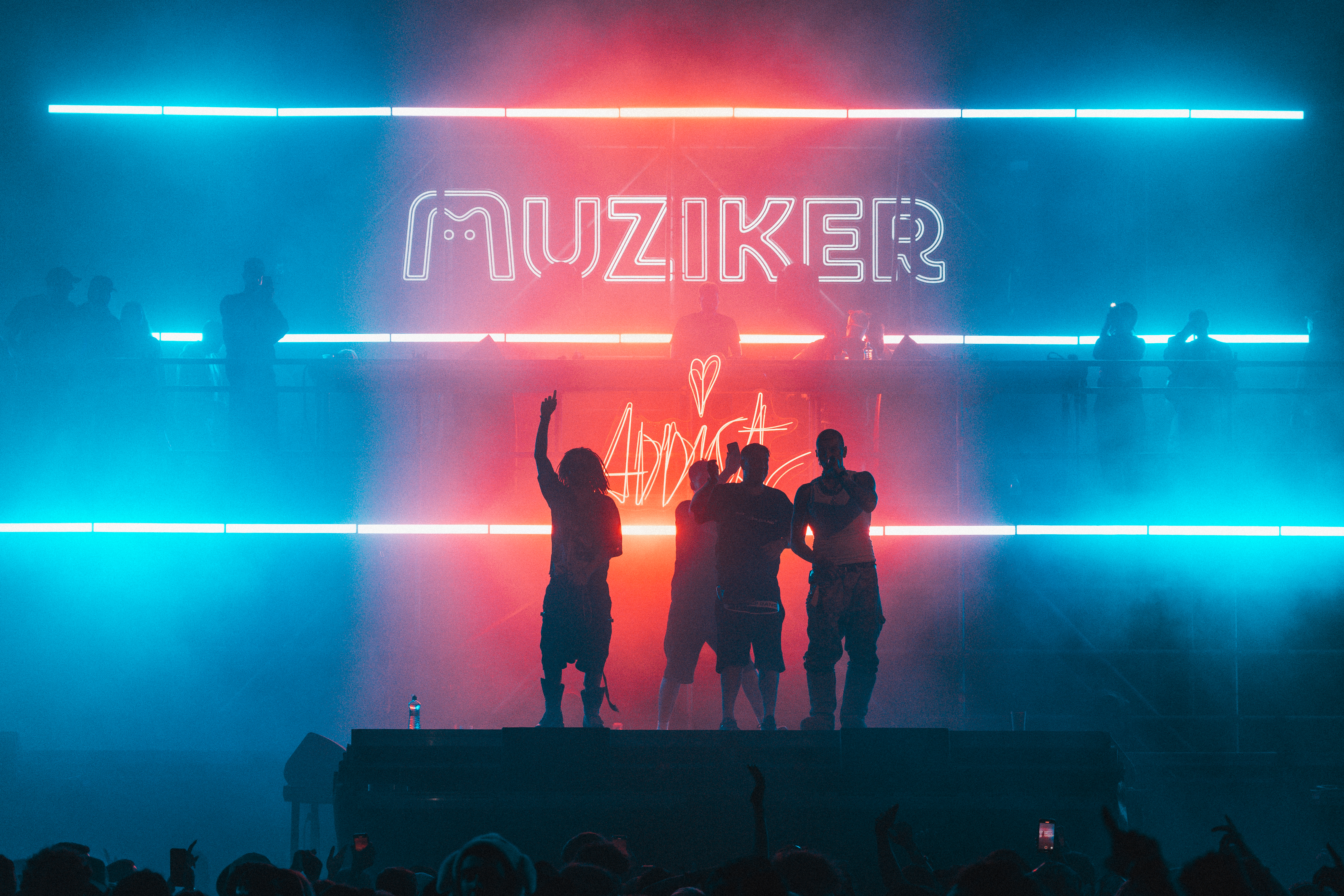
Live performances remain one of the key sources of income for many musicians, especially those with an active fan base. Income can come from a fee from the organizer, a share of the ticket sales, a guaranteed fee, or a combination of these. nbsp;
- club concerts and tours,
- festivals and open-air events,
- corporate and private events,
- local performances and residencies,
- online concerts and livestreams with financial contributions or subscriptions.
Information about upcoming concerts, tours, and events is now mainly available online, often in clear concert calendars organized by region, which serve as a reference point for both the audience and the performers.
Licensing and custom music
Licensing means granting the right to use a song in a specific context, such as in a movie, TV series, commercial, game, or corporate video. It usually involves a one-time license fee and, in some cases, subsequent royalties from public broadcasting. nbsp;
- in videos on social networks and YouTube,
- in corporate presentations and advertisements,
- in podcasts and jingles,
- in mobile and computer games.
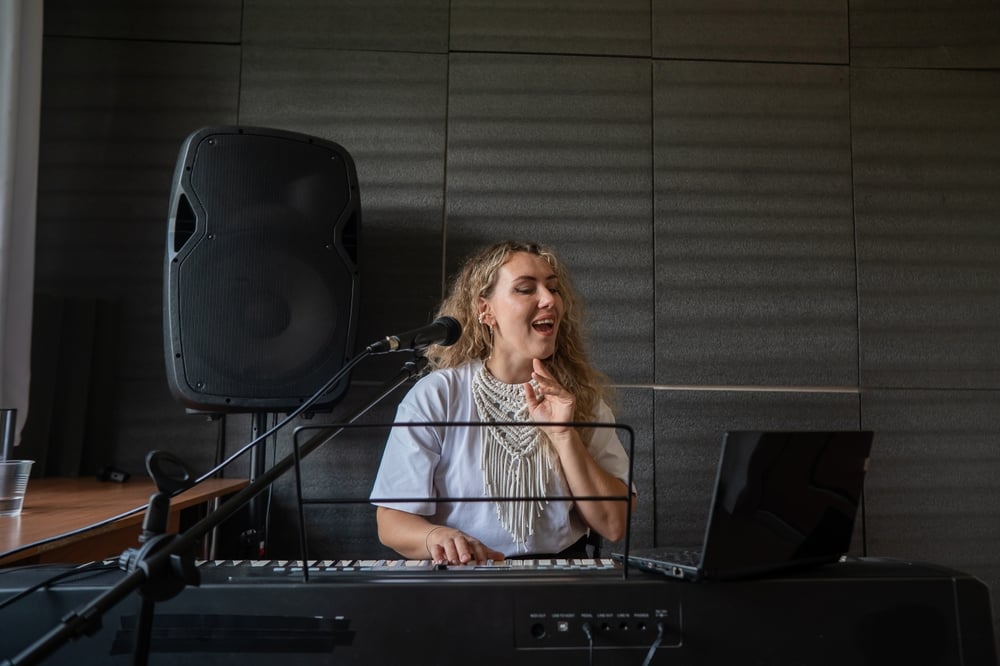
Custom music involves the creation of specific musical backgrounds for clients. This is project work with an agreed fee, which can provide a stable income if a network of collaborations has been established.

Online teaching and educational products
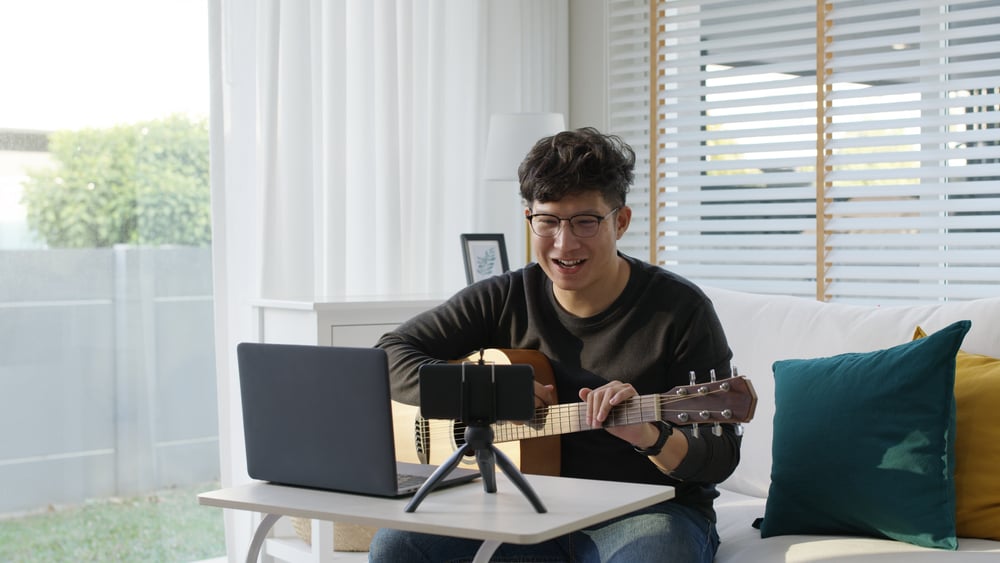
Online teaching is one of the most stable income models, especially when working systematically with students. The key is the ability to convey know-how in an understandable way, not media fame itself.
- individual online lessons,
- group courses and workshops,
- pre-recorded video courses and memberships,
- sale of sheet music and teaching materials.
Merch, physical media, and products
Merchandising includes the sale of physical products associated with the performer. Even in the era of digital distribution, it remains an important tool for building identity and relationships with fans.
- clothing and accessories,
- vinyl records, CDs, and limited editions,
- posters, art prints, and photo books,
- sheet music and songbooks.
Crowdfunding, memberships, and direct support
Crowdfunding allows you to finance your work directly from your audience without an intermediary. This can take the form of one-off campaigns or long-term support in the form of membership.
- project campaigns with rewards,
- monthly memberships with exclusive content,
- small contributions during livestreams.
Other income sources
- royalties and publishing fees from the public use of music,
- monetization of content on platforms such as YouTube, Twitch, and TikTok,
- production and studio services for other performers.
Comparison of main revenue models
Revenue source | Stability | Initial cost | Long-term potential | Note |
| Streaming | low to medium | low | medium to high | Main income only at high volume |
| Concerts | medium | medium to high | medium | Strong with a loyal audience |
| Licensing | medium | low to medium | high | Repeated use of a single track |
| Online teaching | high | low | high | Stable with long-term work |
| Merch | low to medium | higher | medium | Works well with an active community |
| Crowdfunding | medium | low | medium to high | Depends on audience trust |
What differs in 2026 compared to the past?
Not only technology is changing, but also the way music careers are planned. Emphasis grows on combining revenue streams, digital skills, and a direct relationship with the audience. Music is increasingly seen simultaneously as a product and a service.
There is no universal path. Each artist builds their own model according to genre, audience, and personal capacity.
FAQ
Can you make a living from streaming alone in 2026?
In most cases, no. Streaming usually functions as a supplementary source.
Does it make sense to make music without performing concerts?
Yes. Licensing, teaching, and custom music do not require concerts.
Is crowdfunding suitable for beginners?
It works best with an already engaged community.
Which model is the most stable?
Regular teaching, long-term commissions, and memberships.