 Albania
 Argentina
 Australia
 Austria
 Belgium
 Bosnia and Herzegovina
 Brazil
 Bulgaria
 Canada
 Chile
Chile
 Colombia
 Croatia
 Czech Republic
 Denmark
 Estonia
 Finland
 France
 Germany
 Greece
 Hungary
 Ireland
 Italy
Italy
 Latvia
 Lithuania
 Luxembourg
 Mexico
 Moldova
 Montenegro
 Netherlands
 New Zealand
 North Macedonia
 Norway
 Philippines
 Poland
 Portugal
 Romania
 Serbia
 Slovakia
 Slovenia
 South Africa
 Spain
Spain
 Sweden
 Switzerland
 Turkey
 Ukraine
 United Kingdom
 United States of America



Everything important about LP records
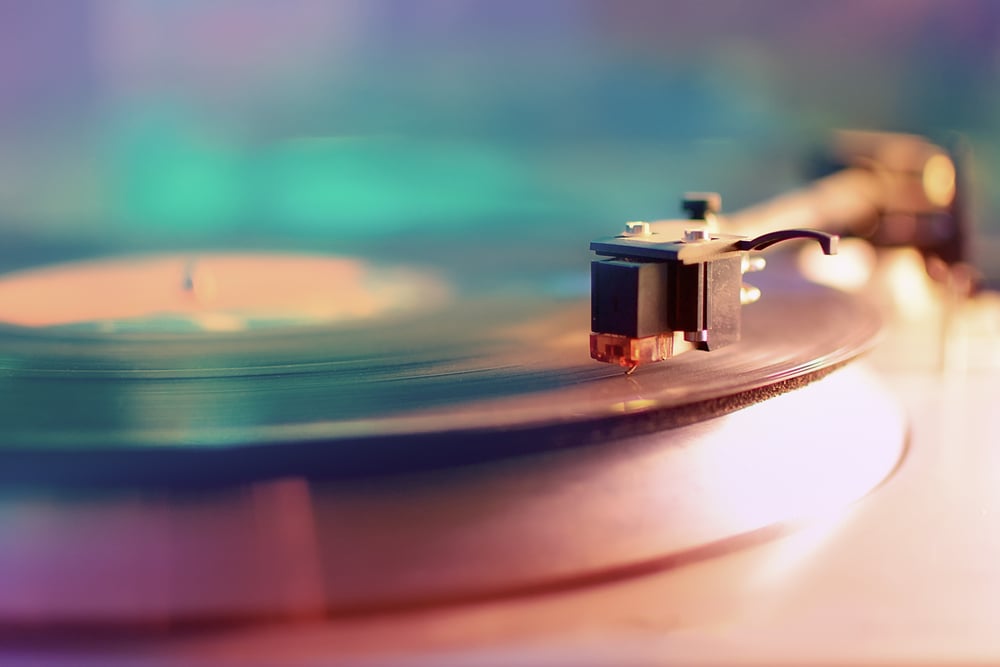
What is an LP record and why is it called vinyl?
An LP record is a long-playing gramophone record, most often 12 inches wide and played at 33 1/3 revolutions per minute. LP means long play, a format designed for longer music than older singles or short records. In everyday speech it is also called vinyl because modern records are pressed from a PVC-based vinyl compound.When people talk about vinyl or gramophone records, they usually mean a physical carrier with grooves read by a stylus. The LP is one specific format in that group. Not every record is an LP, but every LP is a gramophone record.
The difference from streaming is not only that you physically place the record on the platter. With an LP you listen more deliberately: take the sleeve from the shelf, remove the inner sleeve, check the surface, brush away dust and only then lower the stylus. After one side you stand up and turn the record over. For collectors, that slower rhythm is part of the experience.
LP, EP, singles and speeds: how to understand records
| Format | Diameter | Typical speed | Typical use |
|---|---|---|---|
| LP | 12" | 33 1/3 RPM, sometimes 45 RPM | Album or longer recording across two sides |
| EP | 7", 10" or 12" | 33 1/3 or 45 RPM | Shorter release with more tracks than a single |
| SP / single | Most often 7" | 45 RPM | One main track and often a B-side |
| Older shellac records | Most often 10" | 78 RPM | Historic recordings with shorter playing time |
RPM means revolutions per minute. If you play a record at the wrong speed, the music will be too fast, too slow or out of tune. Check the label before playback and set the same speed on the turntable.
A short history of LP records
Before vinyl, shellac records were common. They were more fragile, usually played at 78 RPM and held only a few minutes of sound per side. Columbia Records introduced the modern long-playing LP in 1948; one year later RCA Victor brought the 45 RPM single format.
The history also explains why records use different speeds and diameters. Old 78 RPM records belong more to archival recordings and often need a different stylus than modern LPs. A beginner does not need to solve everything at once. It is enough to know that 12-inch LP albums most often play at 33 1/3 RPM, while 7-inch singles usually use 45 RPM.
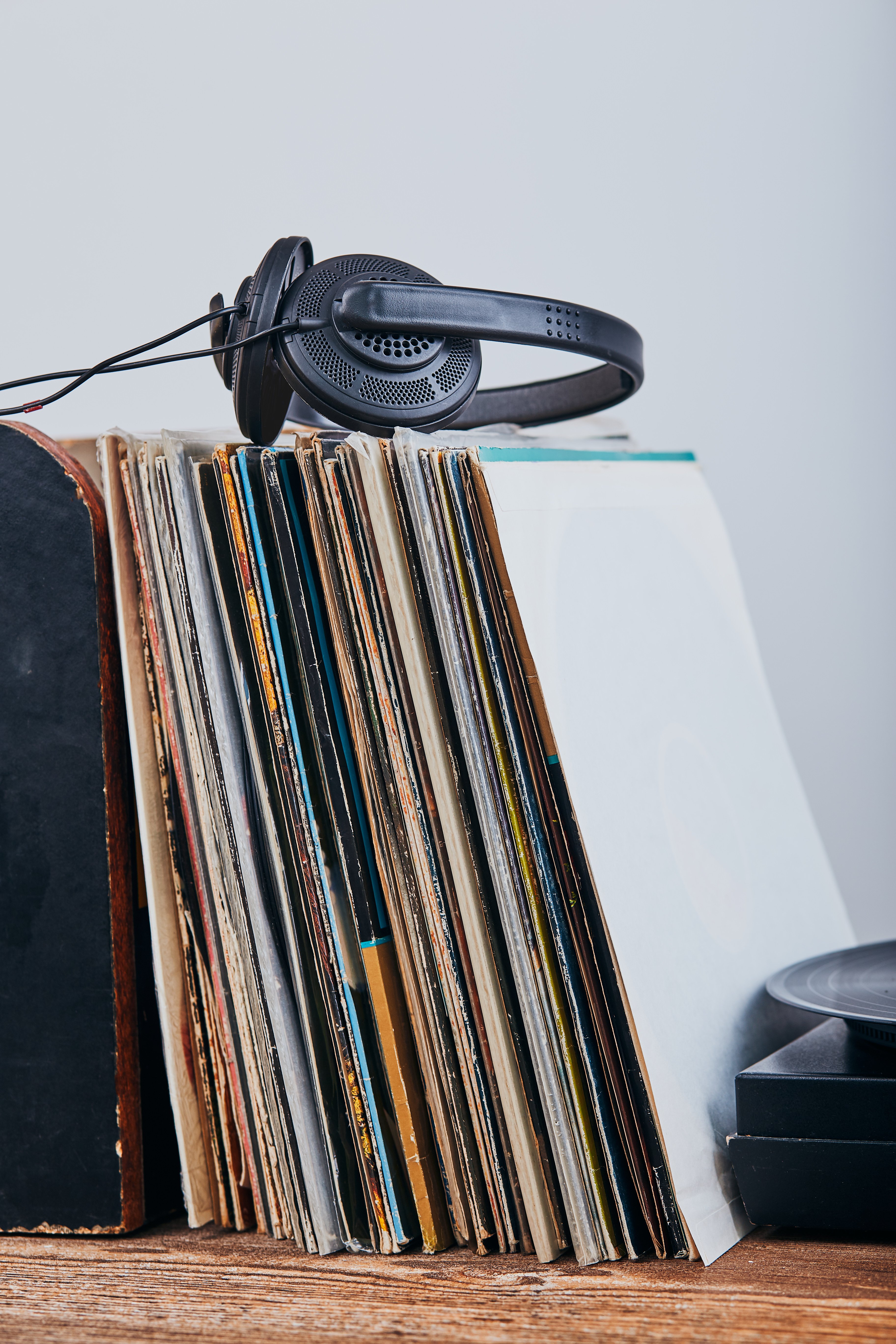
How to start an LP record collection
The best collection does not start with a compulsory album list, but with music you will actually play. Choose by favourite artists, genres, labels or eras, and mix classic albums, new releases and reissues.
When buying, notice whether it is a new issue, reissue, remaster or audiophile pressing. For an easy start, browse current LP records and choose a few albums you will enjoy returning to.When building a collection, separate records you want to play from pieces bought mainly for collector value. For listening, the condition of the vinyl matters more than a perfect sleeve. With collector editions, the exact pressing, colour, insert, original issue or limited series can matter. Beginners usually do best by buying albums they know and will actually play.
When buying a used record, inspect the surface under good light. Fine hairlines may be harmless, but a deep scratch across the grooves is not. Check for warping, centre-hole damage and moisture marks on the sleeve. With new records, note whether it is a standard issue, remaster, reissue or audiophile pressing. Each choice makes sense if you know what you expect.
You do not need to build a collection quickly. A smaller set of records you know, care for and play from start to finish is better than a large shelf of random purchases. Keep notes on which editions you own, which ones you want to upgrade and which albums you have been searching for long term.
Which turntable and accessories you need
For records you need turntables or one well-chosen turntable that keeps stable speed and has a correctly set tonearm. If you are choosing your first model, use the guide How to choose a turntable. The cartridge and stylus matter too. A worn stylus can worsen sound and eventually damage grooves, so look for compatible turntable needles when replacing it. Basic gear includes a brush, anti-static sleeves, a stand and suitable turntable accessories.If you connect the turntable to a new system, also think about amplification and speakers. A well-matched system reduces noise, weak bass and overly sharp highs.
With a turntable, do not look only at design. The platter should rotate steadily, the tonearm should balance correctly and tracking force should match the cartridge maker’s recommendation. Too little force can cause skipping, too much stresses the grooves. Also check that the player sits level. A small level and tracking-force scale often solve more than replacing the whole system.

How to store LP records so they do not warp
Vinyl does not like pressure, heat, direct sun or humidity. A poorly stored LP can warp, its cover can suffer and dust reaches the grooves more easily. Treat storage as part of care, not as a detail.
| Rule | Why it matters |
|---|---|
| Store records vertically | The weight of stacked records can deform vinyl. |
| Keep them away from sun and radiators | Heat is the fastest way to warp a record. |
| Use inner and outer sleeves | Sleeves protect grooves and artwork from dust and wear. |
| Do not pack them too tightly | You should remove a record without bending the cover. |
What happens after listening matters too. Do not leave the record on the platter when it is no longer playing, and do not put it away dusty. If you handle it often, an anti-static inner sleeve is more practical than rough paper that can shed dust and leave fine scuffs. An outer sleeve protects the artwork, corners and spine.
With a larger collection, accessibility matters too. Records should stand so you can pull one out with one hand without levering or bending neighbouring sleeves. In an open shelf, keep them away from dusty floor level and away from heat sources. Occasional checks of the shelf, humidity and sleeves are simple prevention.
How to clean and safely handle vinyl records
Dry cleaning
Before every play, brush the record with an anti-static brush along the groove direction. Dry cleaning is quick and removes everyday dust that would otherwise cause crackle or collect on the stylus.
Wet cleaning and record washers
For stubborn dirt, use a vinyl cleaner or a record washer. After wet cleaning, let the record dry fully and put it into a clean inner sleeve, otherwise dirt returns.
What to avoid
Do not use household cleaners, hard brushes or kitchen towels. Do not place the record on a carpet or dirty table and do not remove it from the platter while it is still spinning.
With wet cleaning, less is more. You do not need strong pressure or aggressive chemicals; the goal is to loosen dirt from the groove and remove it safely. Apply cleaning fluid as directed and do not let residue dry on the surface. After deeper cleaning, replace the inner sleeve, because the old one may return the same dust and static.
More practical steps are in the guide Tips for caring for vinyl records.Common problems: crackle, skipping and static
| Problem | Cause | What to check |
|---|---|---|
| Record crackles | Dust, static or worn surface | Clean it, replace the inner sleeve and check the stylus. |
| Record skips | Dirt, scratch, low tracking force or uneven player | Check tracking force, level position and visible damage. |
| Sound is distorted | Wrong cartridge geometry or worn stylus | Check the tonearm, tip and manufacturer guidance. |
Always start troubleshooting with the simplest cause. If only one record crackles, the issue may be its condition or dirt in one groove. If all records crackle, look for static, dust on the stylus or a worn tip. If one song skips, it may be a scratch. If several albums skip, check level position, tracking force and free tonearm movement.
A warped record is not automatically unusable. A turntable can handle mild warping if the tonearm is set correctly and the record does not touch cartridge parts. Severe warping makes groove tracking worse and raises the risk of skipping. Do not try to flatten it at home with heat, books or a radiator. For a valuable record, specialist help or replacement is safer.
If the problem repeats on several records, the turntable setup is more likely than every record being faulty. Start by checking the stylus, tracking force and level position of the turntable at home.
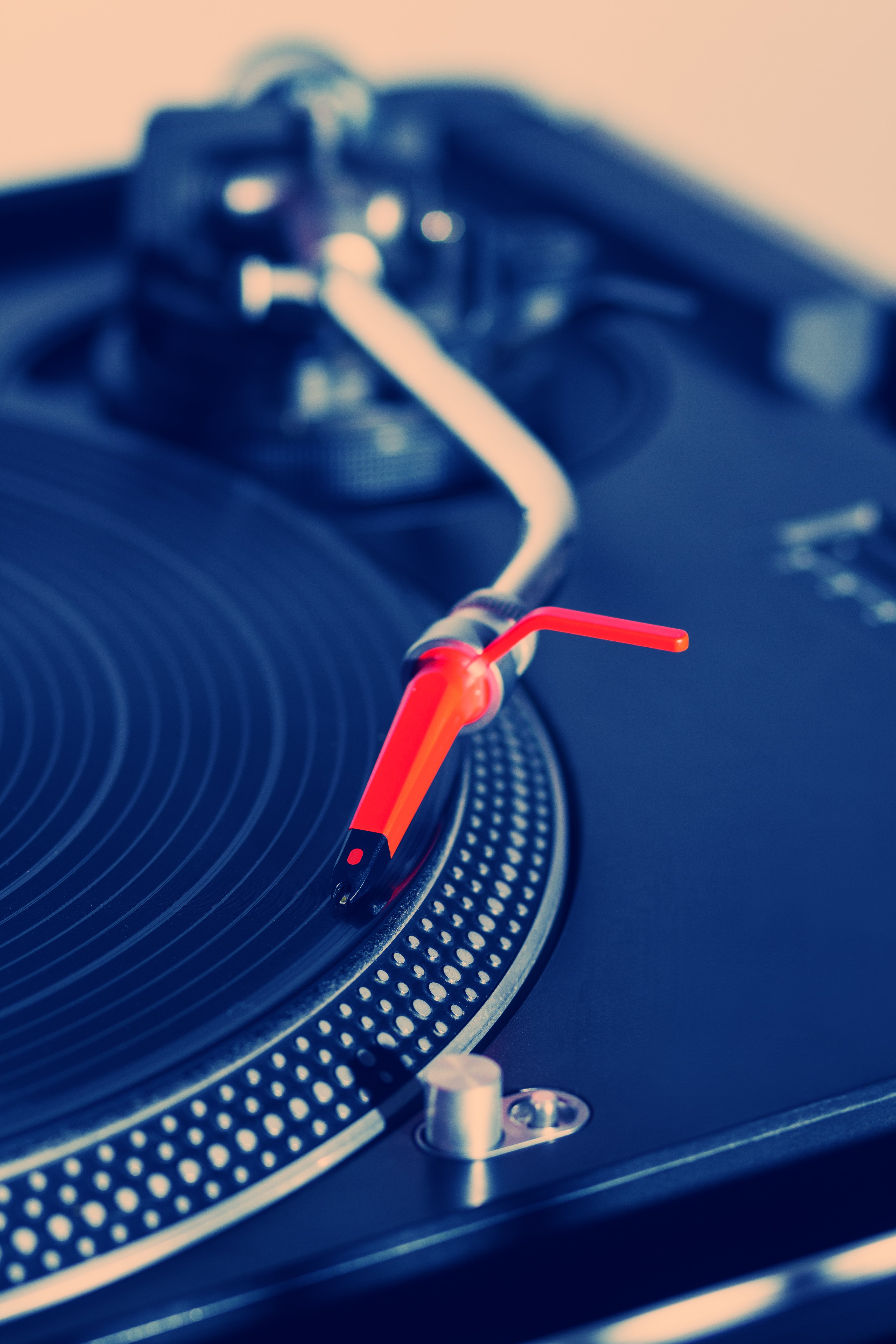
Mastering, weight and special editions
With LPs you will see terms such as DMM, Half Speed Mastering, Direct to Disc and 180–200 g vinyl. DMM cuts into a copper layer, Half Speed prepares the master at half speed and Direct to Disc captures a performance directly without normal layering. Heavier vinyl feels sturdier, but alone it does not guarantee better sound.
With mastering, keep expectations grounded. The same album can exist in several editions and each may sound a little different. It is not only about more expensive vinyl or a sticker on the sleeve. The recording source, mastering engineer, pressing quality and condition of the copy all matter. Read release notes, but also trust your ears and your own system.
Heavier 180–200 g records feel premium and can be pleasant to handle when well made. But heavier does not automatically mean better. A thinner record in good condition with good mastering can sound excellent, while a heavy pressing from a weak source may add nothing. With special editions, look at the whole context, not only weight or a technology label.
Record Store Day and collector editions
Record Store Day celebrates physical music shops and often brings limited editions, coloured pressings or special singles. Buy them mainly when you care about the music and pressing quality; collector value is a pleasant bonus.
With limited editions, decide whether you are buying music or rarity. Coloured vinyl, alternate artwork or a numbered run are nice details, but they do not guarantee better listening. If you love the album, a special edition can be a joy. If you buy only from fear of missing out, it may sit unplayed. The best collection is still one that is listened to.

Frequently asked questions about LP records
What does LP record mean?
LP means long play. It is most often a 12-inch format played at 33 1/3 RPM.
What is the difference between an LP and a vinyl record?
Vinyl record is the general name for a vinyl carrier. LP is a specific long-playing format, so an LP is vinyl, but not every vinyl record is an LP.
Why are LP records played at 33 1/3 RPM?
This speed made it possible to fit longer recordings with usable sound quality, which is why it became standard for albums.
What is the best way to store LP records?
Store them vertically, dry and away from sun and heat. Use inner and outer sleeves and do not stack them flat on top of each other.
Why does an LP skip or crackle?
Start with the safest simple step: clean the record, check the stylus and verify the basic player setup.
The key is patience: change only one thing at a time so you can tell what really helped.
For your first purchases, set a simple rule: every new record gets a clean inner sleeve, a quick brush before playback and a safe place on the shelf. This builds a habit that protects both the music and your money. When pricier reissues or limited pieces arrive later, you will only expand the routine naturally.
The most common causes are dust, static, a damaged groove, worn stylus or wrong tracking force. Clean the record first and check the stylus, tracking force and level position.