Albania
 Argentina
 Australia
 Austria
 Belgium
 Bosnia and Herzegovina
 Brazil
 Bulgaria
 Canada
 Chile
 Colombia
 Croatia
 Czech Republic
 Denmark
 Estonia
 Finland
 France
 Germany
 Greece
 Hungary
 Ireland
 Italy
 Latvia
 Lithuania
 Luxembourg
 Mexico
 Moldova
 Montenegro
 Netherlands
 New Zealand
 North Macedonia
 Norway
 Philippines
 Poland
 Portugal
 Romania
 Serbia
 Slovakia
 Slovenia
 South Africa
 Spain
 Sweden
 Switzerland
 Turkey
 Ukraine
 United Kingdom
 United States of America


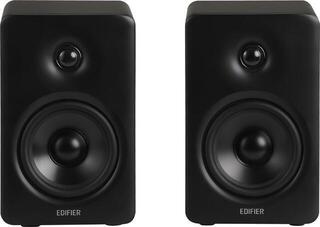
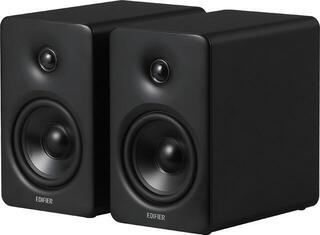
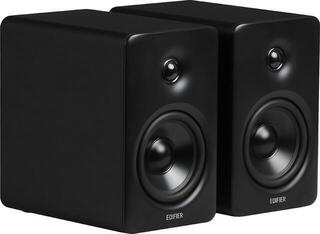
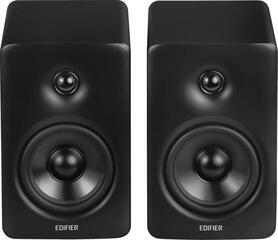
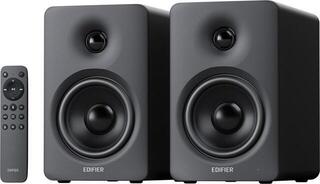
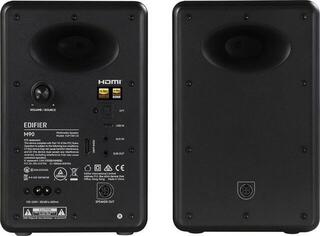
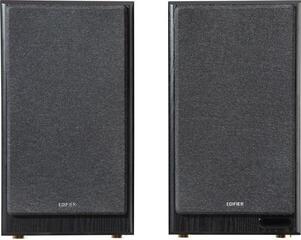
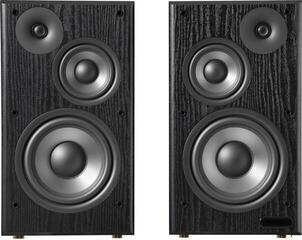
Hi-Fi Speakers
Choose Hi-Fi speakers as part of the complete system and the particular room, not as an isolated product. Bookshelf and floorstanding models differ in their space, positioning, and support requirements, but size alone does not determine the quality of the result. Compatibility with the amplifier and sensible positioning in relation to the walls and listening position are important. Before buying, measure the available space and check the recommendations from the manufacturers of both components.
Hi-Fi speakers: bookshelf or floorstanding
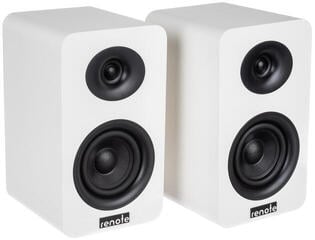
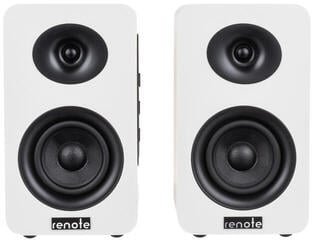
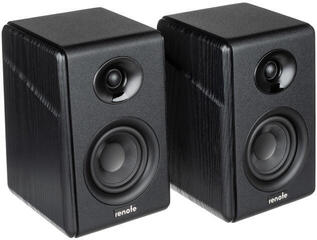
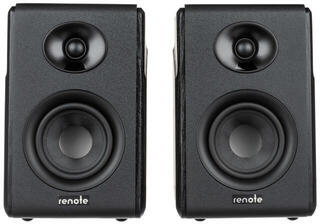
Bookshelf speakers
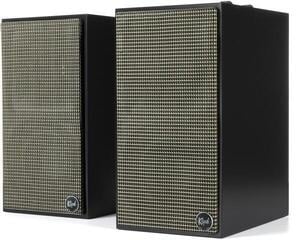
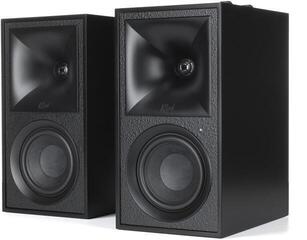
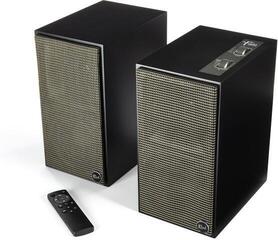
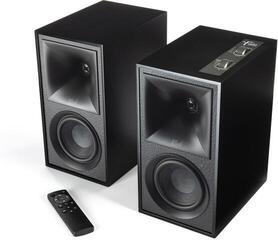
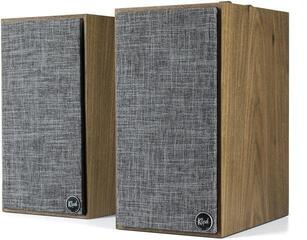
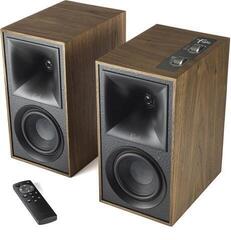
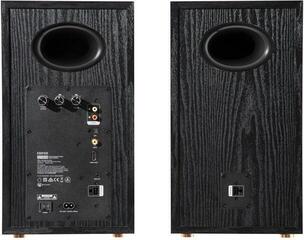
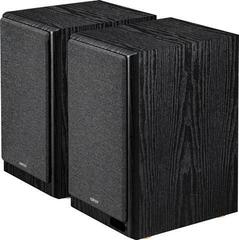
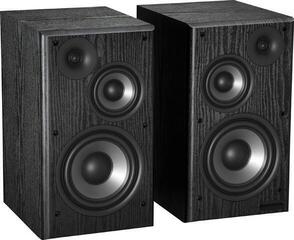
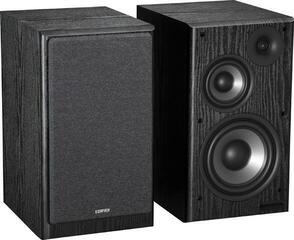
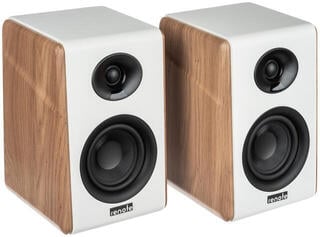
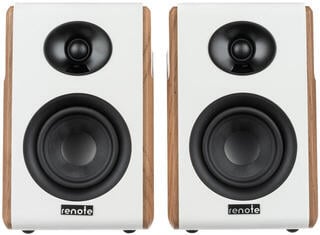
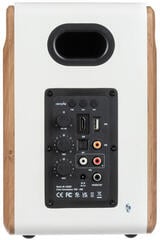
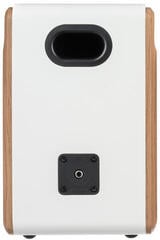
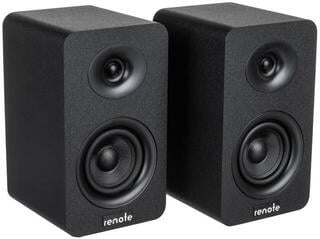
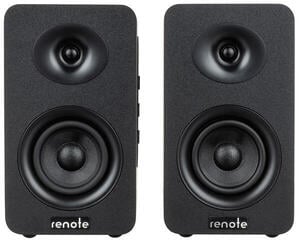
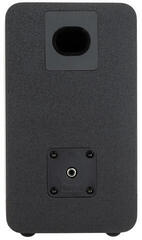
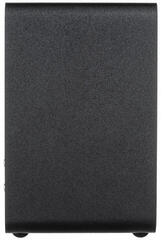
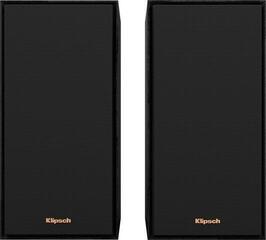
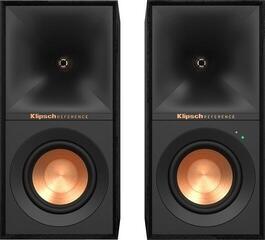
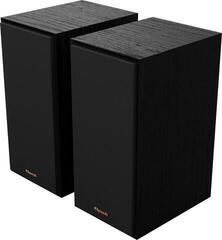
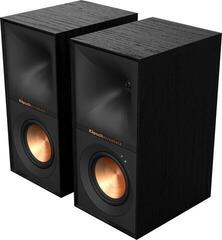
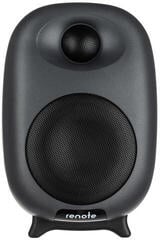
Bookshelf models have more compact cabinets, but the name does not mean you have to squeeze them between books. They often benefit from a stable stand or solid surface that places the drivers at a suitable height. They are useful in a smaller room, at a shorter listening distance, or wherever you do not want large cabinets. The required distance from the wall and the use of a stand vary depending on the design.
Floorstanding speakers
Floorstanding models sit directly on the floor and require their own space. Their taller cabinets do not mean you can place them anywhere; they need stability, adequate clearance, and an unobstructed path for sound to reach the listener. They are suitable for a living room or larger room if you can create an appropriate layout for them. Before choosing, check the dimensions, including the base and the space required for cables.
| Consideration | Bookshelf solution | Floorstanding solution |
|---|---|---|
| Space | Smaller cabinet, although it often needs a stand or sturdy shelf. | A dedicated place on the floor and free space around the cabinet. |
| Listening height | You can adjust the height with a suitable stand or placement. | The design is fixed, and you fine-tune the position mainly through placement. |
| Moving | The cabinet itself is easier to move, although the stand is an additional item. | The larger dimensions require careful handling and a safe route. |
| Typical choice | A smaller room, home office, or listening from a shorter distance. | A living room and a system with a dedicated place for the speakers. |
The table is a general guide. A particular bookshelf model may require more space than a slim floorstanding model, and vice versa. The dimensions, design, recommended placement, and compatibility with the amplifier are what matter.
Placement in the room
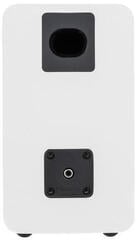
Start with a symmetrical layout relative to the position where you listen most often. The speakers do not have to remain in the first position you try. Moving them slightly away from the wall or changing their angle can affect the tonal balance and the accuracy of the soundstage. Observe the minimum clearances specified by the manufacturer and do not obstruct any cabinet ports.
Stability is important for both types. A speaker should not wobble or stand on the edge of a piece of furniture. Use a stand, pad, or spikes only as specified by the manufacturer and with the type of flooring in mind. In a home with children or pets, also consider the risk of tipping and route cables away from walkways.
Listening position and furniture
Large furniture surfaces, bare walls, curtains, and rugs affect room acoustics, but no single position is suitable for every space. First remove any obvious obstacles between the speakers and the listening position. Then try small changes in position using the same familiar recording. Do not assess two options at significantly different volume levels.
Matching the amplifier
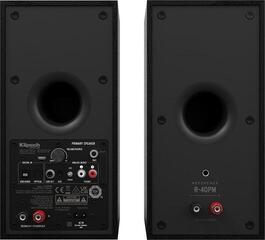
Passive speakers need suitable amplification. When comparing them, do not focus on just one power rating; check the recommended conditions, impedance, and connection method in the documentation for the specific models. You can select the type of amplification in the Hi-Fi amplifiers and preamplifiers category, but confirm final compatibility for the exact pair of devices.
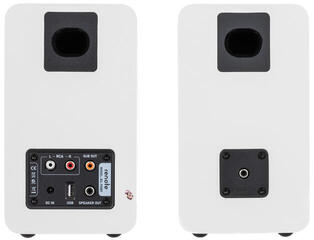
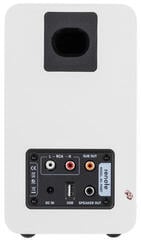
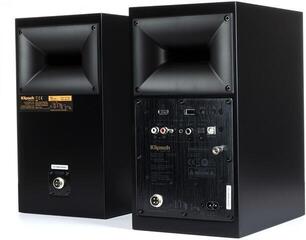
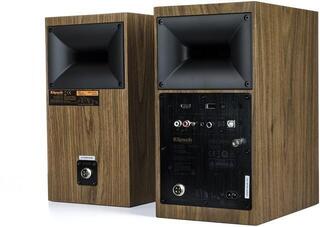
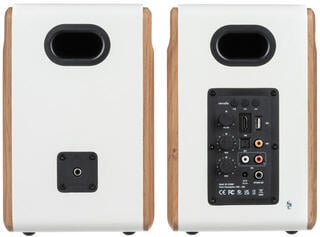
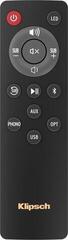
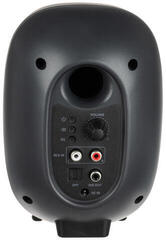
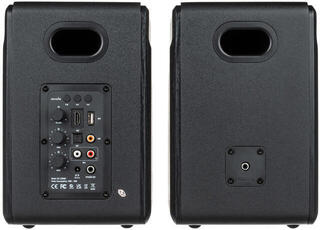
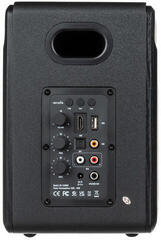
Active speakers may have amplification built in, so do not approach them in the same way as passive models. Check what signal they require and which inputs they offer. If you are unsure whether your chosen model is active or passive, check its technical specifications before selecting additional components.
Connection and system integration
Speakers are one part of a Hi-Fi system. Before buying, draw a simple signal path from the source through the amplification stage to the speakers. This will help you distinguish cables used between the source and amplifier from cables intended to connect the amplifier to passive speakers.
Hi-Fi AUX cables can be used for compatible line-level connections between devices, but not as a universal replacement for speaker cables. For each cable, check the connectors at both ends, the purpose of the connection, and the required length. The cable should not be taut or lie loose across a walkway.
Choosing by listening style
Music at a desk
At a short distance, position the speakers so that they do not obstruct the monitor and both have similar conditions. A large cabinet close to the wall may not be practical. Also consider the volume controls and space for an amplifier if you are using a passive solution.
Music in the living room
When listening together, the listening area is wider and the speakers need to work with the room's everyday furnishings. Check that they can be positioned without blocking doors, cabinets, or the view. If you will move them frequently for cleaning, mark the position that you have tested.
Focused listening
If you sit in one position and compare recordings, you can spend more time on precise placement and toe-in. Use familiar tracks and change only one thing at a time. This makes it easier to determine whether the position, distance from the wall, or system settings made the difference.
What to check before choosing
- Measure the space for the cabinets, stands, bases, and required clearances.
- Choose between a bookshelf and floorstanding solution based on the actual placement.
- Check whether the model is passive or active and what type of connection it requires.
- Check amplifier compatibility using information from both manufacturers.
- Plan a stable position, safe cable routing, and protection against tipping.
- When comparing, listen to the same recordings at similar volume levels.
Address the room and amplifier first, then compare the details of individual speakers. Both bookshelf and floorstanding solutions can work well when given suitable conditions. A model that cannot be safely positioned or connected to your system is not a suitable choice, regardless of its other qualities.