Albania
 Argentina
 Australia
 Austria
 Belgium
 Bosnia and Herzegovina
 Brazil
 Bulgaria
 Canada
 Chile
 Colombia
 Croatia
 Czech Republic
 Denmark
 Estonia
 Finland
 France
 Germany
 Greece
 Hungary
 Ireland
 Italy
 Latvia
 Lithuania
 Luxembourg
 Mexico
 Moldova
 Montenegro
 Netherlands
 New Zealand
 North Macedonia
 Norway
 Philippines
 Poland
 Portugal
 Romania
 Serbia
 Slovakia
 Slovenia
 South Africa
 Spain
 Sweden
 Switzerland
 Turkey
 Ukraine
 United Kingdom
 United States of America


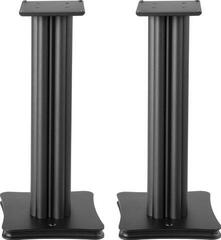
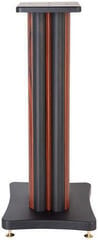
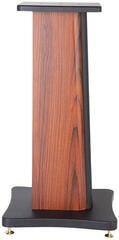
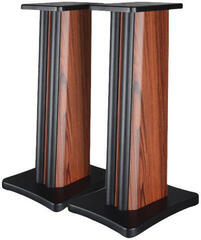
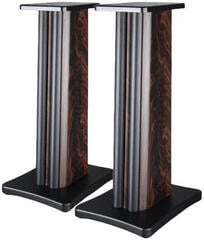
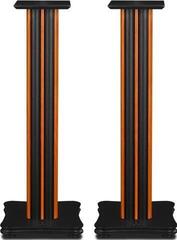
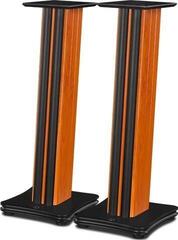
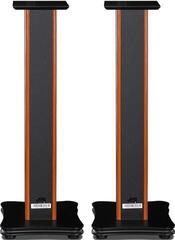
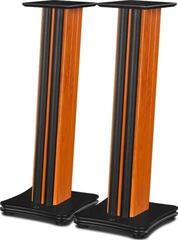
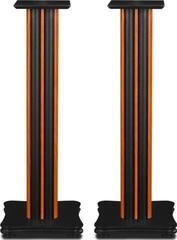
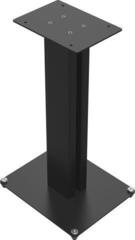
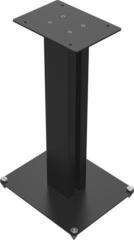
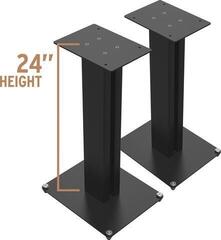
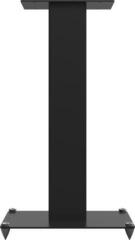
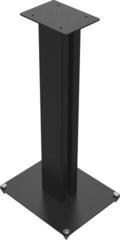
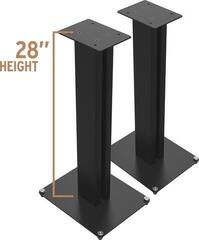
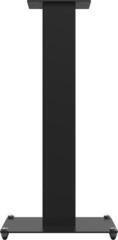
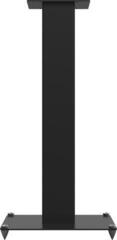
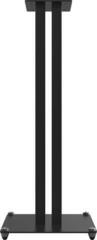
Hi-Fi Speaker Stands
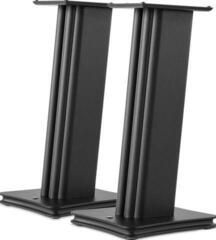
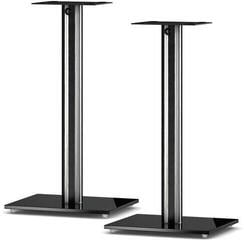
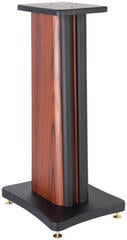
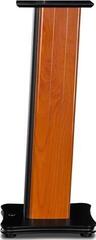
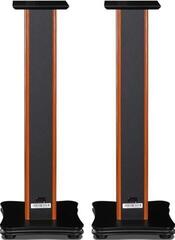
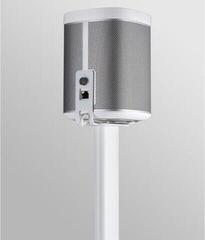
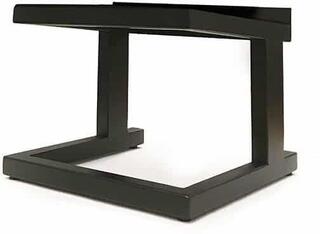
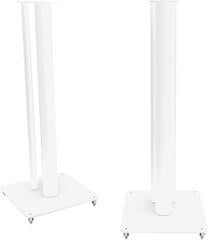
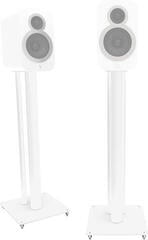
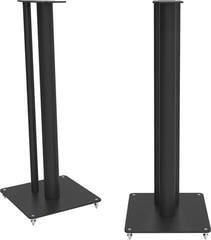
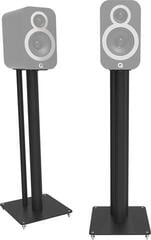
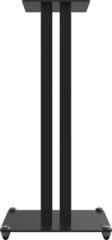
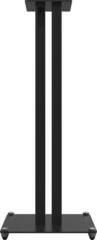
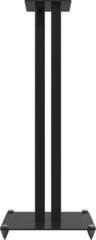
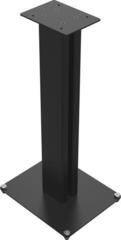
Hi-Fi speaker stands help position speakers at a suitable height and provide stable support. When choosing one, pay particular attention to its construction, the dimensions of the base and top plate, cable management options, and the conditions in the room. The right stand must suit both the specific speaker and the surface on which it will stand. It is therefore not just about appearance, but about integrating the system into the interior safely and practically.
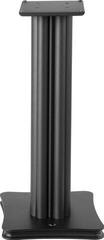
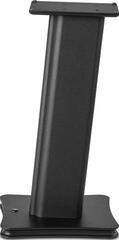
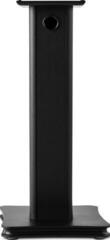
Hi-Fi speaker stands
A separate stand is intended mainly for bookshelf or compact Hi-Fi speakers that should not stand directly on the floor. It lets you position the speaker with the listening location in mind while avoiding unsuitable placement on furniture. Before deciding, check the shape of the bottom of the speaker, its weight, and the manufacturer's recommendations. The stand's top plate should support the speaker without obstructing connectors, the cable, or any openings on the underside.
Overall height is also important. Use the position of the drivers relative to your ears in your usual listening position as a guide, rather than relying only on a seat height given without context. The final position is affected by the height of the stand, the speaker itself, and whether you sit upright or in a deeper chair. If the speaker manufacturer recommends a specific placement, give that information priority.
Stability, base, and top plate
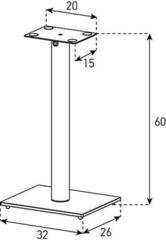
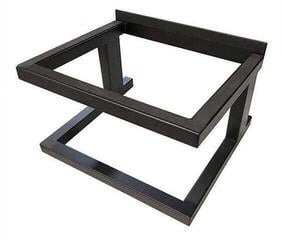
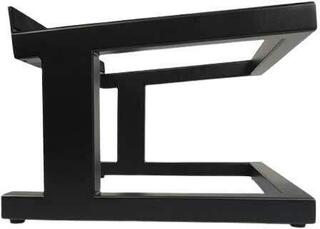
Do not assess stability solely by the stand's weight. Consider the width and depth of the base, the rigidity of the column, how the individual parts are joined, and the proportion between the stand's footprint and the size of the speaker. The top plate should not be so small that the speaker is unstable, nor should it extend awkwardly into areas where cables run. Also check that the stand will fit in the intended position without colliding with furniture, doors, or a walkway.
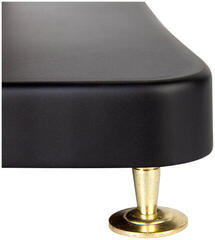
Choose the floor contact according to the type of flooring and the stand manufacturer's instructions. On a sensitive surface, pay attention to protective elements and the risk of scratching. If children or animals move around the home, also assess the risk of impact or tipping; greater weight alone may not compensate for unsuitable placement in a high-traffic area.
| Selection area | What to compare | Practical reason |
|---|---|---|
| Height | Position of the drivers relative to the listening location | Helps place the speakers in the intended listening position |
| Top plate | Width, depth, shape, and position of support points | The speaker must sit securely without blocking important elements |
| Base | Footprint, levelness, and contact with the floor | Affects stability and the amount of free space required |
| Construction | Rigidity, joints, and permitted load | The stand must be suitable for the weight of the specific speaker |
| Cables | Internal or external routing and the size of openings | The cable must not be kinked, pinched, or stretched |
Cable management and placement in the room
Integrated routing can hide the cable inside the structure, but first check the diameter of the opening and whether the connector will also fit through it. For external routing, check whether the cable can be secured safely without sharp bends. Leave enough slack to move the stand, and do not route the cable where someone could trip over it or where it could pull on the speaker terminals.
Before final placement, check that the floor is level and that there is enough space around the stand. Its position relative to walls and corners should follow the speaker recommendations and the possibilities of the room. Also consider access to connectors, cleaning, and safe passage; the stand should not obstruct normal use of the room.
What to check before choosing
- Measure the width and depth of the bottom of the speaker and the available floor space.
- Compare the speaker's weight with the stand's permitted load.
- Determine the required height based on the position of the drivers and your usual listening location.
- Check that the top plate provides stable support and does not obstruct connectors or openings.
- Check the dimensions of the base, including any parts that may extend into the surrounding space.
- Find out which type of floor contact is suitable for carpet, wood, laminate, or tiles.
- Measure the cable and connectors if you want to route them through the stand.
- Check whether the stand can be levelled on an uneven surface.
- Assess the routes taken by people, children, and pets around the system.
- Check the assembly instructions and how to secure all joints safely.