Albania
 Argentina
 Australia
 Austria
 Belgium
 Bosnia and Herzegovina
 Brazil
 Bulgaria
 Canada
 Chile
 Colombia
 Croatia
 Czech Republic
 Denmark
 Estonia
 Finland
 France
 Germany
 Greece
 Hungary
 Ireland
 Italy
 Latvia
 Lithuania
 Luxembourg
 Mexico
 Moldova
 Montenegro
 Netherlands
 New Zealand
 North Macedonia
 Norway
 Philippines
 Poland
 Portugal
 Romania
 Serbia
 Slovakia
 Slovenia
 South Africa
 Spain
 Sweden
 Switzerland
 Turkey
 Ukraine
 United Kingdom
 United States of America


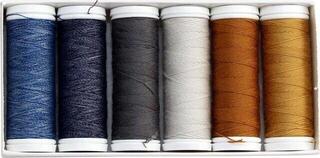
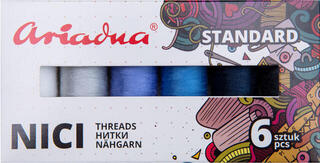
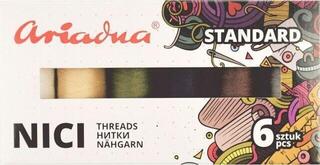
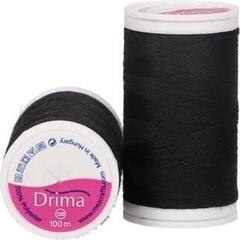
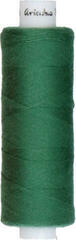
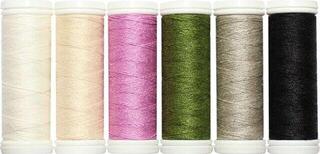
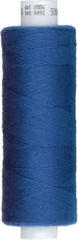
Threads for Sewing
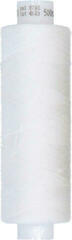
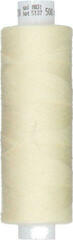
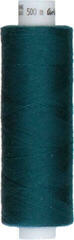
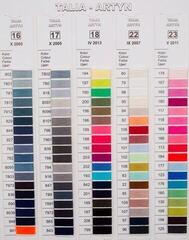
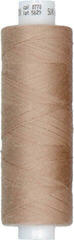
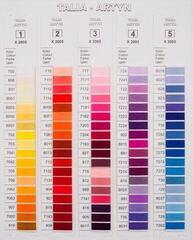
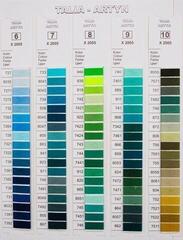
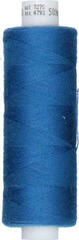
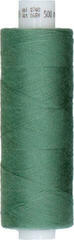
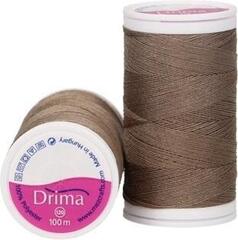
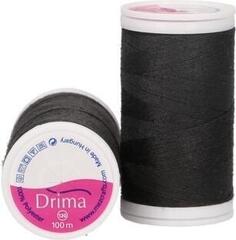
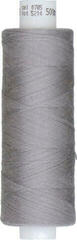
Thread must pass through the needle, form an even stitch, and withstand the stresses placed on the finished item. Thickness, strength, elasticity, and composition are chosen according to the fabric. Older brittle thread may look undamaged but break while sewing. Test it in the planned seam before starting the project.
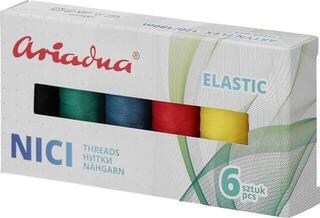
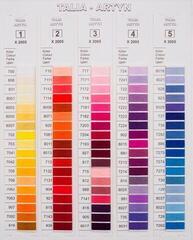
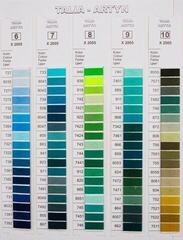
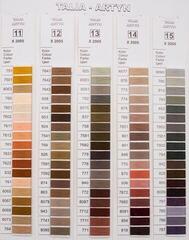
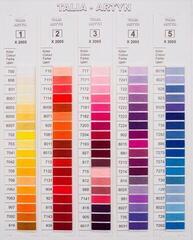
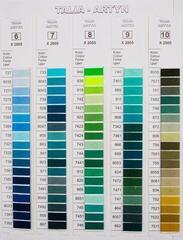
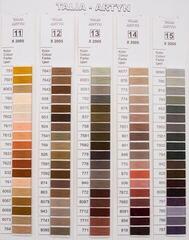
Polyester, cotton, and specialty threads
| Thread type | Suitable use | Property |
|---|---|---|
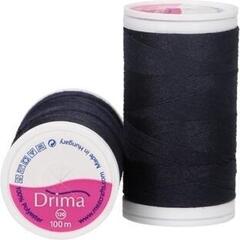
| Polyester | General garments and repairs | Strength and slight elasticity |
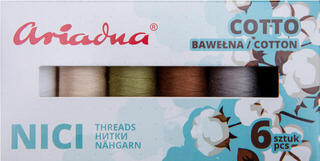
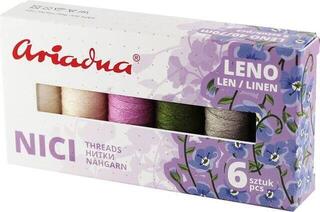
| Cotton | Patchwork and natural fabrics | Matte, natural appearance |
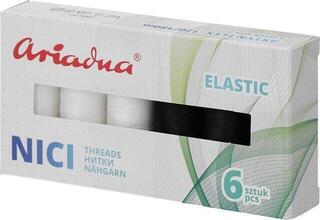
| Elastic | Gathering according to the method | High elasticity |
| Decorative | Visible topstitching | Volume or sheen |
Needle and tension
The thread must pass smoothly through the eye without abrasion. Thread the machine with the presser foot raised and adjust the tension on a scrap. The upper and bobbin threads do not always have to be identical, but their combination should be tested.
Measuring and broader equipment
The Sewing / Embroidery category brings sewing together. Tailor's Measuring Tapes check dimensions, while more tools are available under Sewing Tools.
Protect spools from dust
Store thread away from sunlight and moisture. Secure loose ends so the spools do not become tangled. Do not use thread with knots, a damaged surface, or significant brittleness for a load-bearing seam.