Albania
 Argentina
 Australia
 Austria
 Belgium
 Bosnia and Herzegovina
 Brazil
 Bulgaria
 Canada
 Chile
 Colombia
 Croatia
 Czech Republic
 Denmark
 Estonia
 Finland
 France
 Germany
 Greece
 Hungary
 Ireland
 Italy
 Latvia
 Lithuania
 Luxembourg
 Mexico
 Moldova
 Montenegro
 Netherlands
 New Zealand
 North Macedonia
 Norway
 Philippines
 Poland
 Portugal
 Romania
 Serbia
 Slovakia
 Slovenia
 South Africa
 Spain
 Sweden
 Switzerland
 Turkey
 Ukraine
 United Kingdom
 United States of America


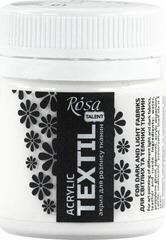
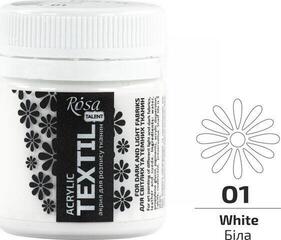
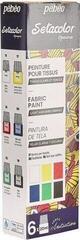
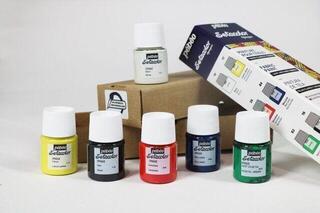
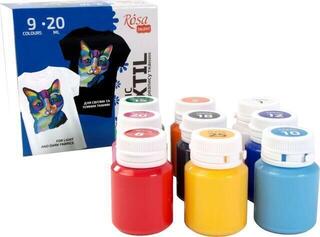
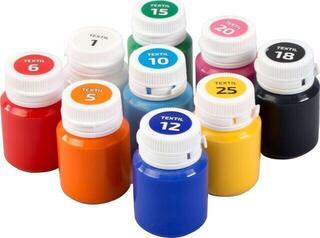
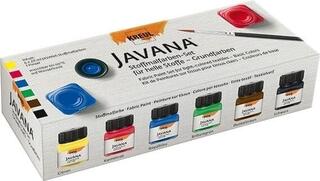
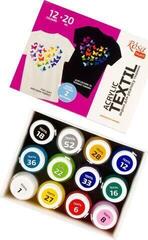
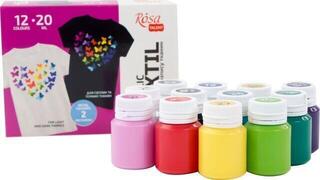
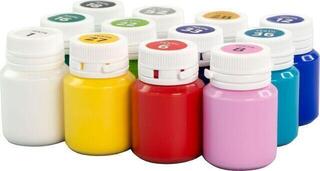
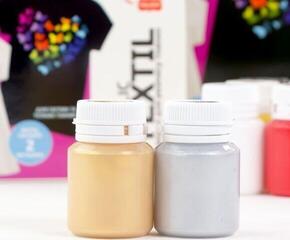
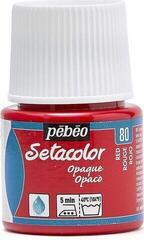
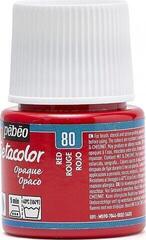
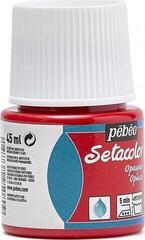
Textile Paints
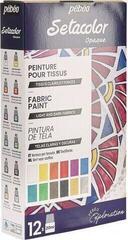
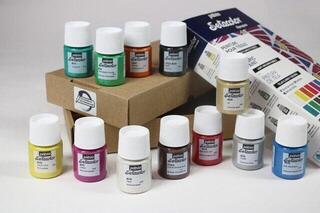
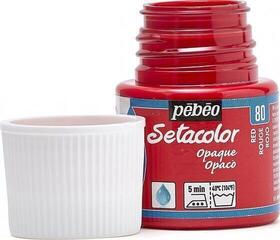
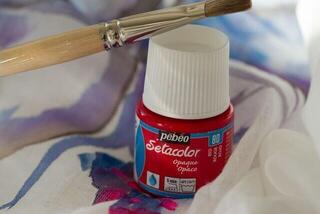
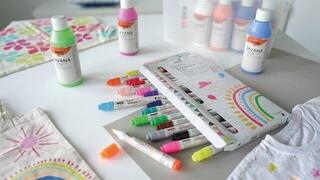
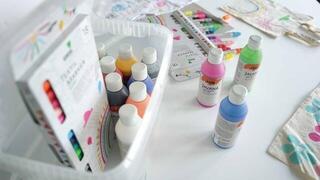
Fabric paint must adhere to the fibers, remain reasonably flexible, and withstand use of the garment or accessory after proper fixing. The result depends equally on the type of paint, the fabric material, and surface preparation. Light-colored cotton, a dark T-shirt, and a synthetic bag are therefore not the same kind of project. Before the first brushstroke, check the instructions for both the paint and the fabric and test on a hidden area.
The fabric material affects adhesion
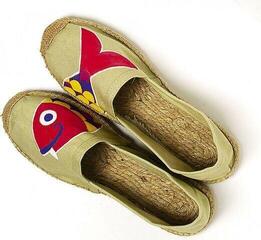
Cotton and other absorbent natural fibers accept paint differently from a smooth synthetic surface. A blended fabric may react according to the proportion of each fiber, so the word “textile” alone is not enough. Stretch fabric needs a thin layer that will not form a hard shell when stretched. The coarse canvas of a bag can support a heavier application, but its weave makes fine outlines more difficult.
Light and dark backgrounds
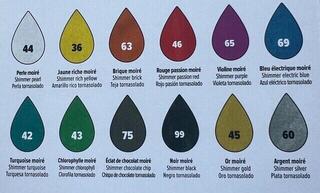
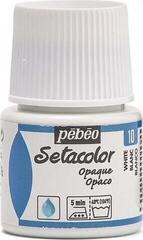
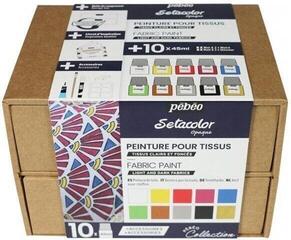
Transparent shades use the background color on light fabric and are suitable for a glazed effect. On dark fabric, you need a product labeled as opaque or should apply the paint in several thinner layers according to the instructions. One thick layer dries unevenly and may become stiff. If you need a precise line instead of a painted area, the related Fabric Markers category offers tips that handle like marker pens.
Preparation before painting
- Wash the fabric without fabric softener to remove manufacturing finishes and dirt.
- Smooth out the fabric and insert an impermeable barrier between the front and back layers.
- Transfer the design with a marking tool suitable for fabric or use a stencil secured against movement.
- Mix the paint according to the instructions and test coverage and bleed-through on a scrap.
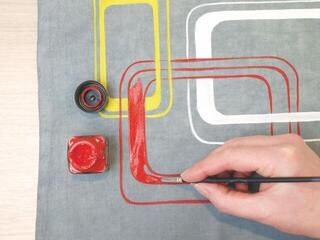
When using a stencil, pick up less paint and apply it from the edge inward. Freehand painting works well with a softer brush and a smoother stroke, while dotting requires an even amount of paint in every impression.
Fixing is not the same for every paint
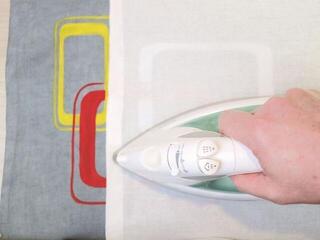
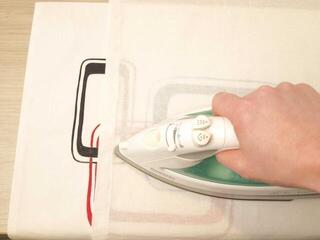
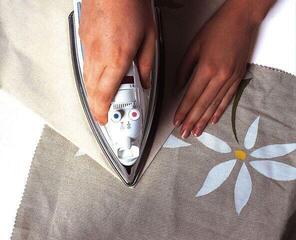
There is no universal temperature or time. Some paints are fixed by ironing from the reverse or through a protective layer, while others require only a specified drying time or a different procedure. Follow the specific packaging: too low a temperature may not set the paint, while too high a temperature may damage synthetic fibers. If the manufacturer specifies ironing, first check the maximum temperature allowed for the fabric itself.
Techniques and suitable application methods
| Decoration method | What to control | Suitable result |
|---|---|---|
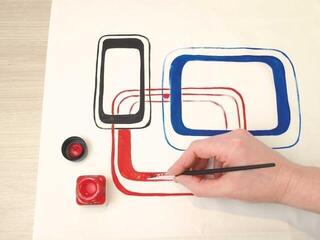
| Brush | Amount of water and fabric elasticity | Freehand painting and a soft edge |
| Stencil | Secure positioning and a small amount of paint | Repeatable clean shape |
| Sponge | Even pressure | Areas and subtle texture |
| Fabric marker | Bleed-through and tip width | Writing, outlines, and details |
Washing and everyday use
After fixing, wait exactly as long as the manufacturer specifies before the first wash. Turn the garment inside out, choose a gentle cycle, and follow the lower of the two permitted temperatures: that of the paint or the fabric. Do not iron the painted design directly unless the instructions explicitly allow it. You can find a broader selection of techniques and materials in the Fabric Painting category.