Albania
 Argentina
 Australia
 Austria
 Belgium
 Bosnia and Herzegovina
 Brazil
 Bulgaria
 Canada
 Chile
 Colombia
 Croatia
 Czech Republic
 Denmark
 Estonia
 Finland
 France
 Germany
 Greece
 Hungary
 Ireland
 Italy
 Latvia
 Lithuania
 Luxembourg
 Mexico
 Moldova
 Montenegro
 Netherlands
 New Zealand
 North Macedonia
 Norway
 Philippines
 Poland
 Portugal
 Romania
 Serbia
 Slovakia
 Slovenia
 South Africa
 Spain
 Sweden
 Switzerland
 Turkey
 Ukraine
 United Kingdom
 United States of America


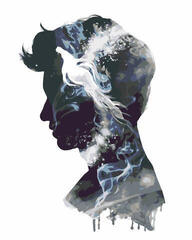
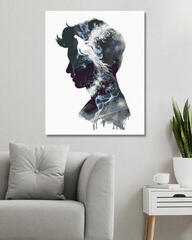
Painting by Numbers
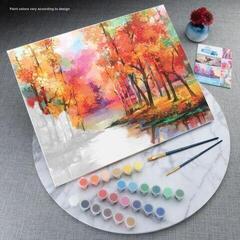
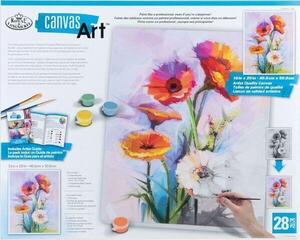
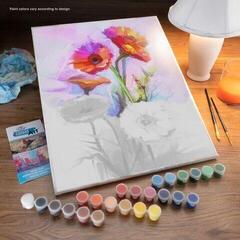
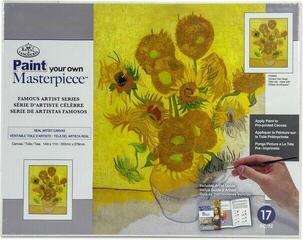
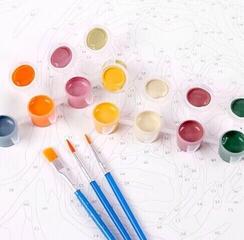
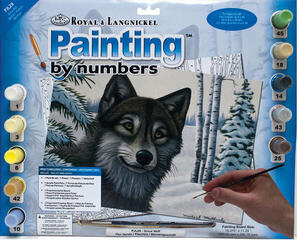
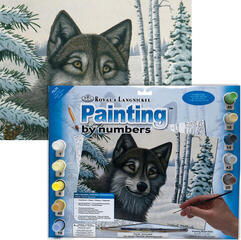
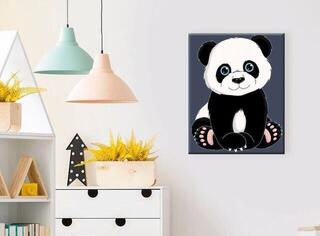
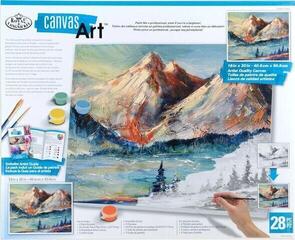
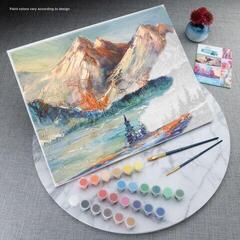
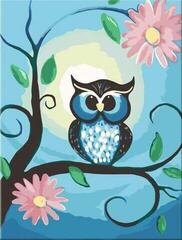
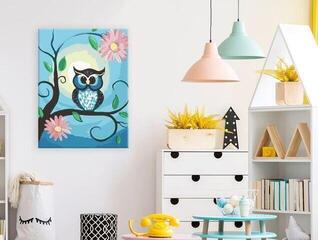
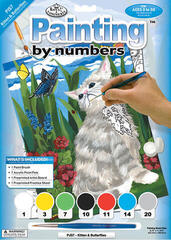
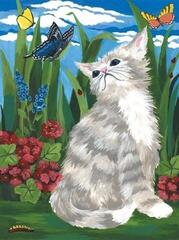
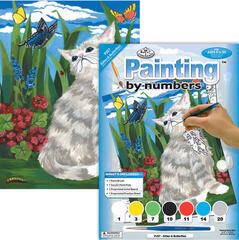
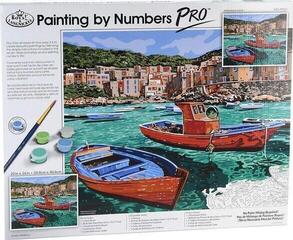
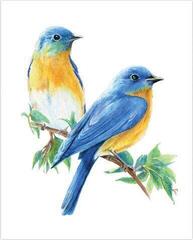
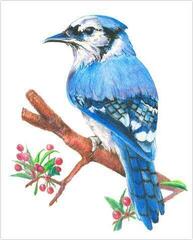
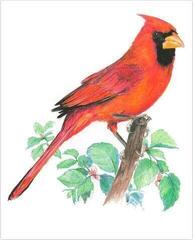
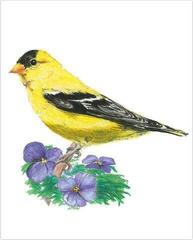
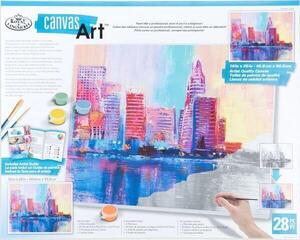
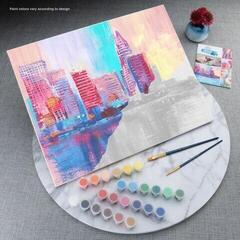
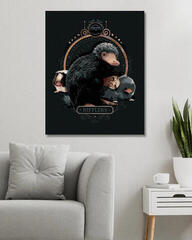
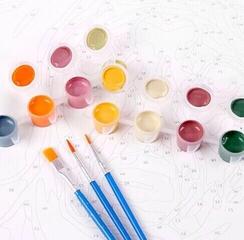
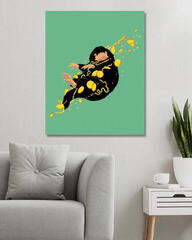
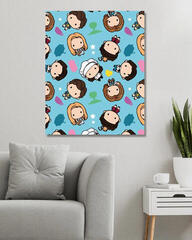
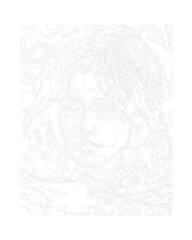
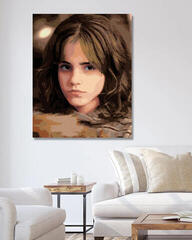
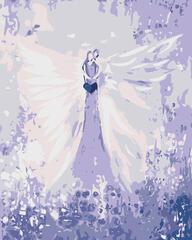
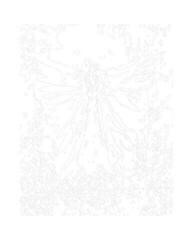
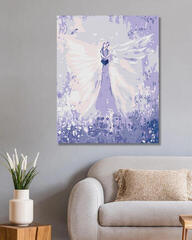
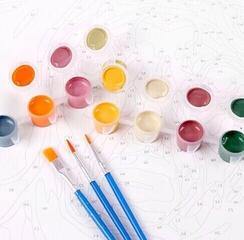
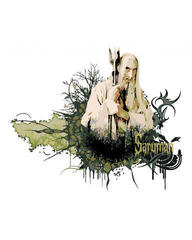
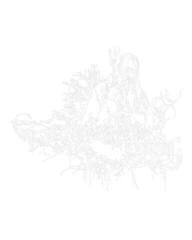
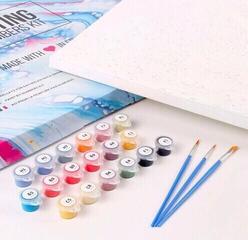
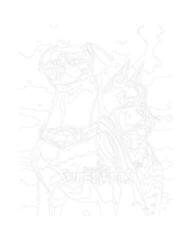
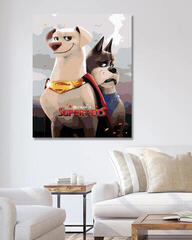
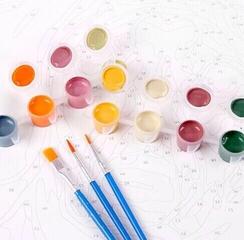
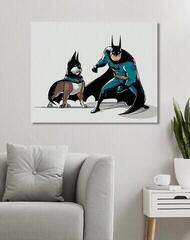
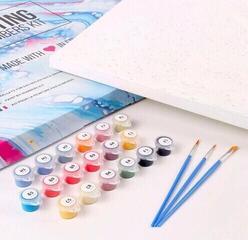
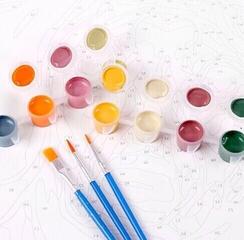
Painting by numbers divides a design into numbered areas, each assigned a specific shade from the kit. This lets you begin without creating your own design or having previous painting experience. However, the difficulty increases with the number of small areas, similarity of colors, and size of the picture. Before choosing, check the dimensions, level of detail, support, and exact package contents.
Large areas or a detailed design
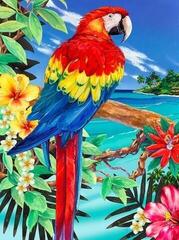
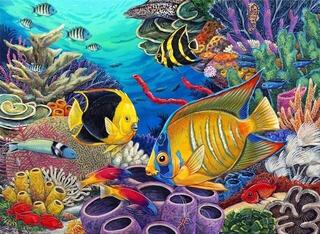
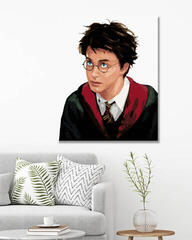
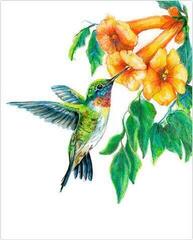
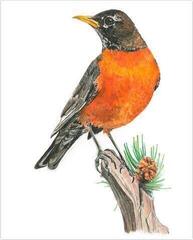
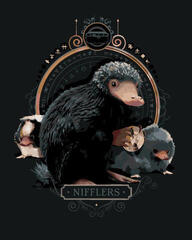
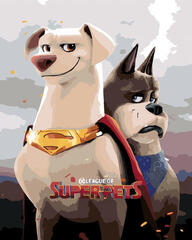
A simpler picture has larger color areas, clear boundaries, and fewer shades. A detailed portrait, animal, or landscape may contain hundreds of small areas that require good lighting and steady support for your hand. An abstract design is not automatically easier; the complexity of the areas matters, not the subject's name. For your first project, choose a format you can complete without long breaks between opening the paints.
- Large areas: faster progress and easier edge control.
- Fine areas: more time, good lighting, and a thinner brush.
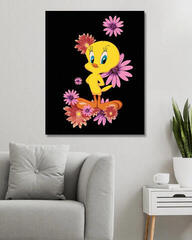
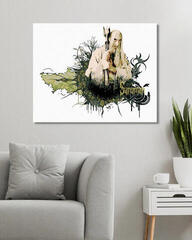
- Stretched canvas: firm support without additional stretching.
What the kit actually contains
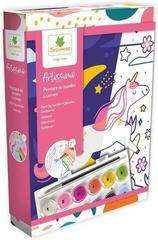
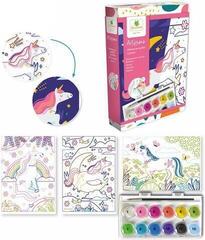
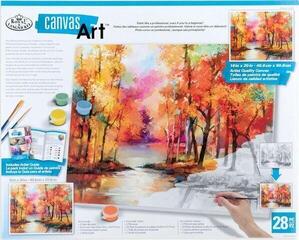
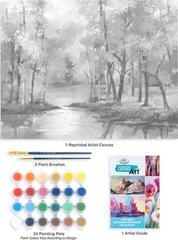
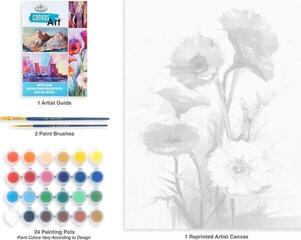
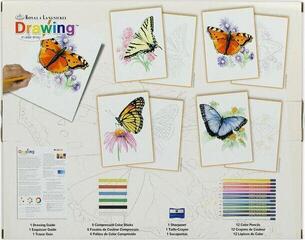
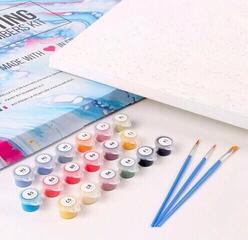
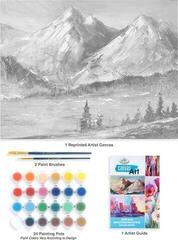
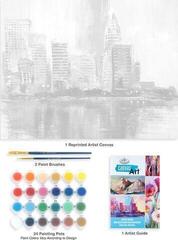
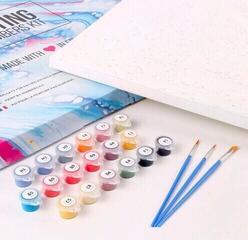
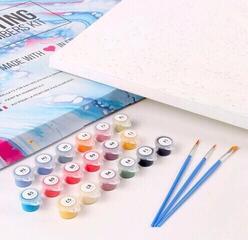
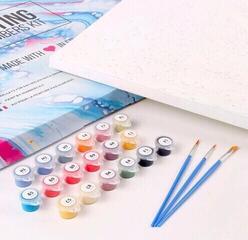
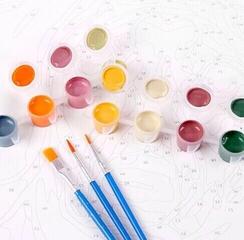
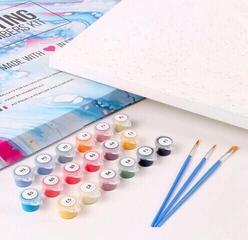
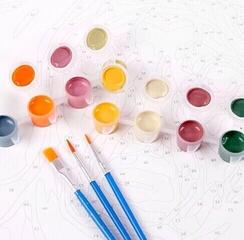
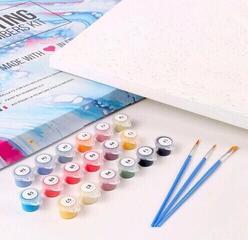
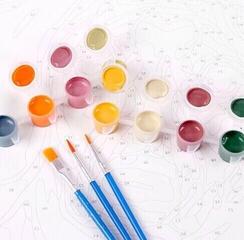
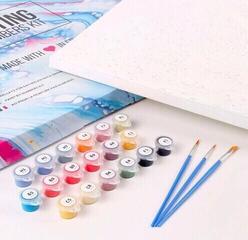
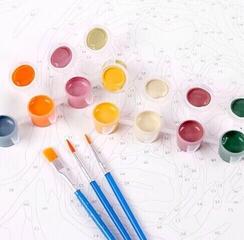
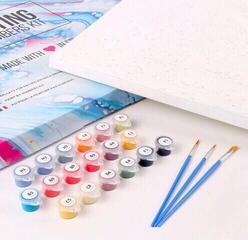
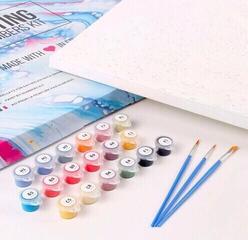
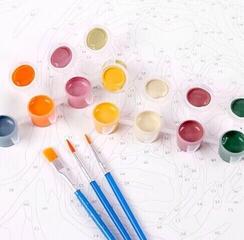
Common contents include a pre-printed canvas, numbered paints, and brushes, but always check the specific package. Rolled canvas requires a rigid surface or later stretching, while stretched canvas is ready for direct use. For very fine areas, a separate fine brush, water container, and clean cloth may help. More projects with prepared patterns are grouped in the Crafting from Patterns category.
Working order without unnecessary mixing
- Place the canvas on a flat surface and locate the numbers for one color in your chosen section.
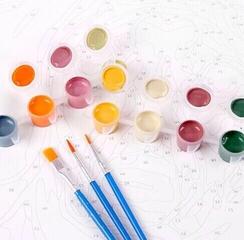
- Open only the container you are currently using so the other shades do not dry out.
- Begin with larger areas or lighter tones and save small areas for a calmer stage.
- Clean and dry the brush thoroughly when changing colors so a drop of water does not dilute the next shade.
Apply paint in a thin, continuous layer
A thick application can cover the boundaries of neighboring areas and dry unevenly. If the first coat is translucent, let it dry and add a second instead of repeatedly working over a wet area. Fill a small area with the tip of the brush, working inward from the edge. If a number is unclear, compare the neighboring areas with the key and do not guess the paint by a similar-looking lid.
Taking a break and finishing the painting
Close the containers tightly after every use and clean dried paint from their rims. Wash brushes before paint hardens near the ferrule. Cover work in progress so the protective layer does not touch the surface. The benefits of the original text remain intact: a numbered design, assigned shades, a complete kit, a relaxing pace, and the option to choose a landscape, animal, portrait, or abstract design.
A different way of working from a pattern
Embroidery Kits also guide the maker using a prepared design, but use thread, fabric, and a chart or printed pattern instead of paint. With painting by numbers, focus on clean shades and precise filling of areas; with embroidery, focus on the number and direction of stitches.