Albania
 Argentina
 Australia
 Austria
 Belgium
 Bosnia and Herzegovina
 Brazil
 Bulgaria
 Canada
 Chile
 Colombia
 Croatia
 Czech Republic
 Denmark
 Estonia
 Finland
 France
 Germany
 Greece
 Hungary
 Ireland
 Italy
 Latvia
 Lithuania
 Luxembourg
 Mexico
 Moldova
 Montenegro
 Netherlands
 New Zealand
 North Macedonia
 Norway
 Philippines
 Poland
 Portugal
 Romania
 Serbia
 Slovakia
 Slovenia
 South Africa
 Spain
 Sweden
 Switzerland
 Turkey
 Ukraine
 United Kingdom
 United States of America


Keyboards - all types
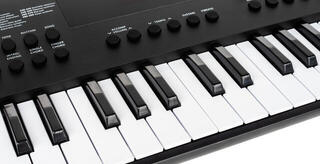
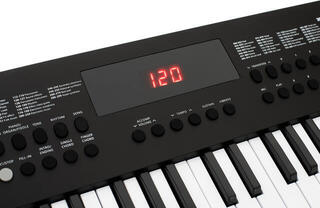
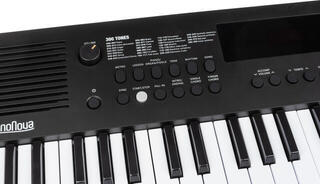
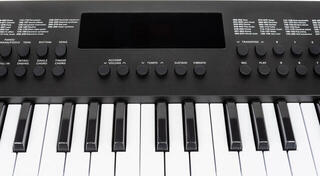
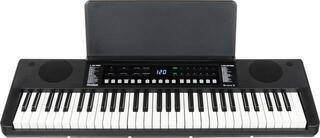
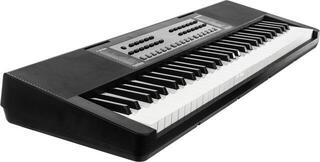
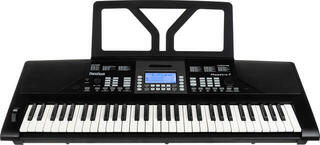
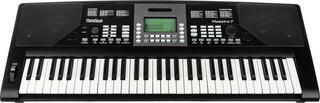
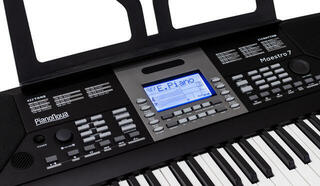
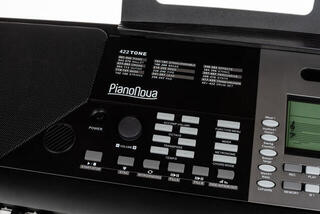
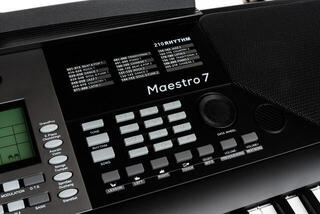
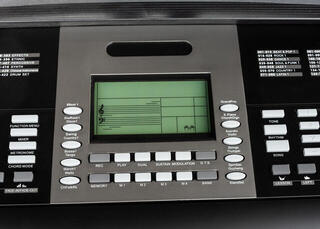
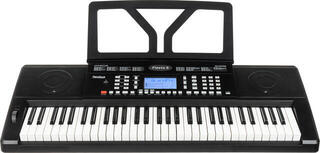
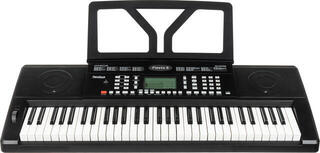
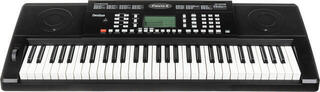
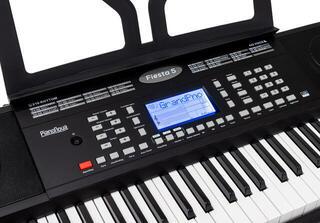
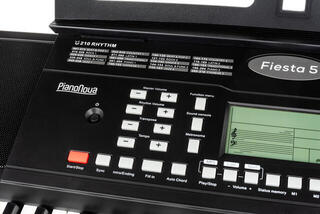
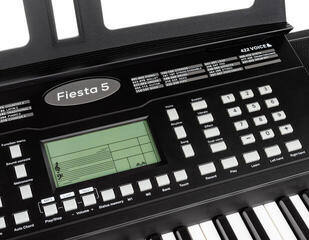
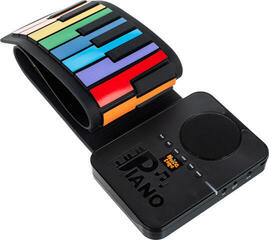
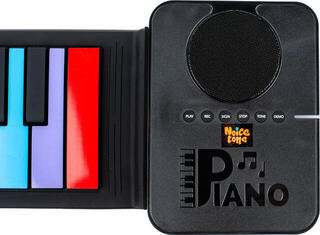
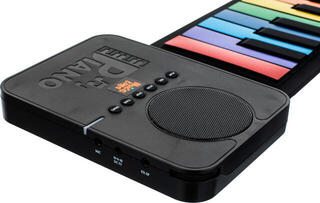
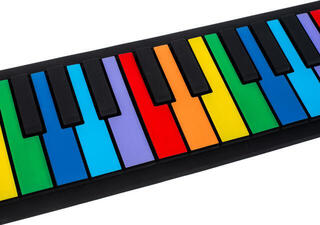
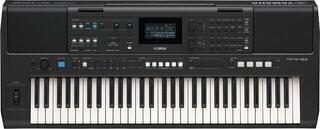
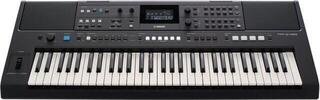
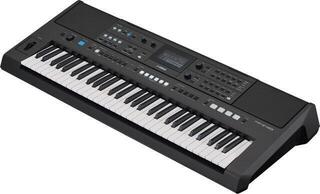
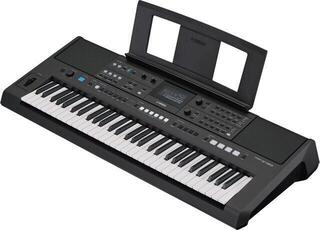
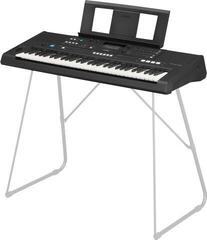
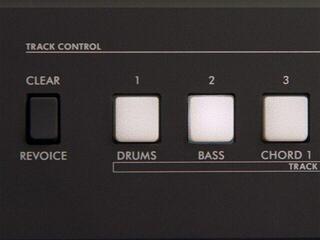
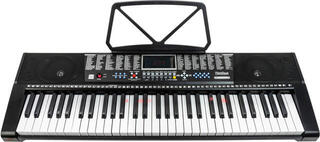
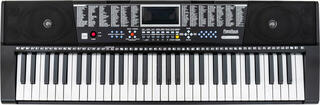
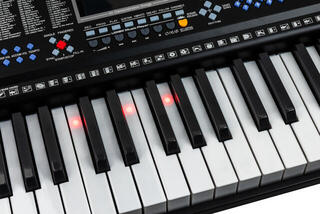
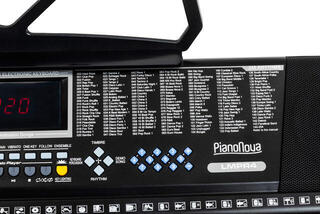
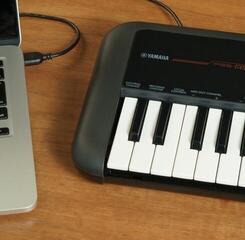
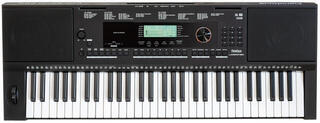
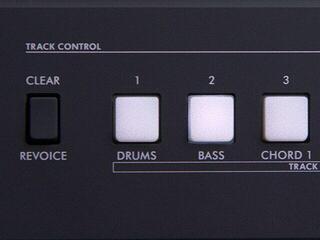
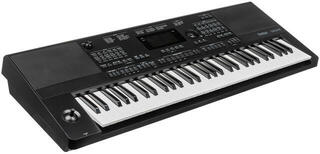
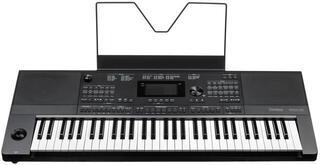
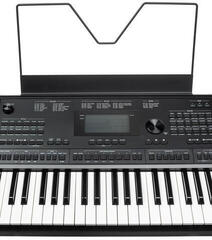
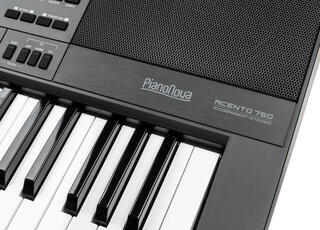
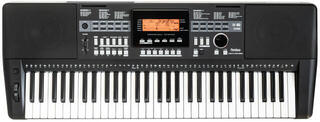
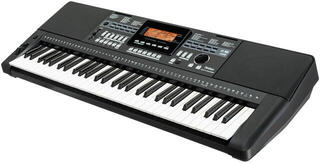
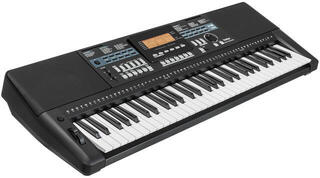
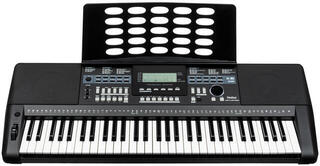
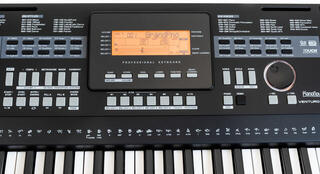
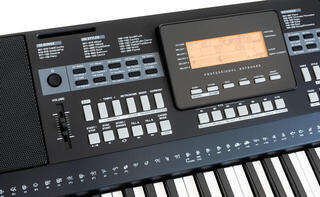
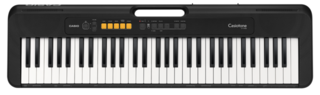
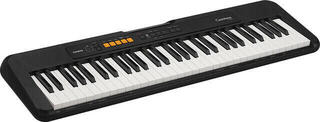
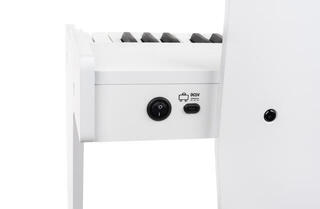
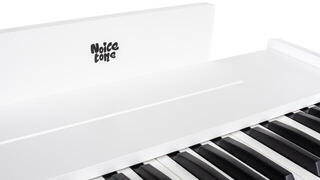
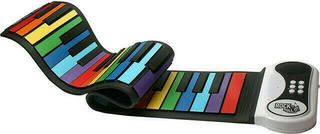
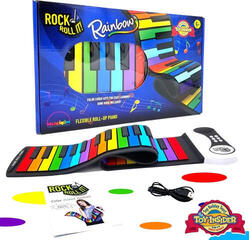
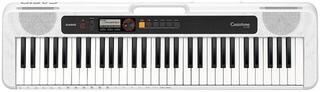
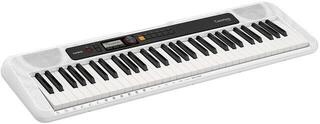
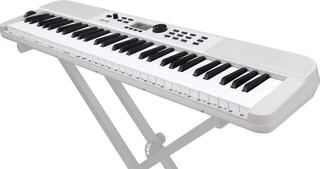
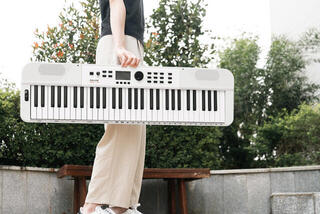
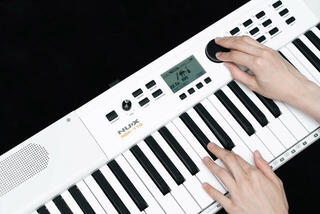
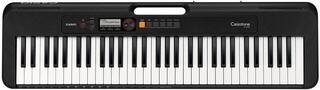
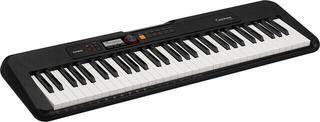
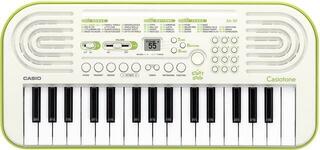
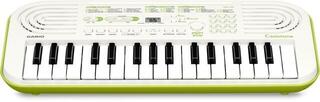
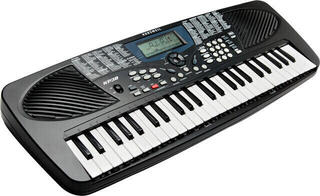
Keyboards are electronic keyboard instruments with light keys, dozens to hundreds of sounds and auto accompaniment that adds drums, bass and chords to your melody. This page brings all four types together: keyboards without touch response, keyboards with touch response, professional arranger models and keyboards for kids. Most have 61 keys, smaller instruments 32 to 54 and larger ones 76. They are made by Yamaha, Casio, Korg, Roland and Kurzweil, with the Pianonova and Noicetone brands completing the range.
How does a keyboard with touch response differ from one without?
A keyboard with touch response reacts to how hard you strike the keys: a gentle touch sounds quiet and a firm strike sounds loud, much like on a piano. A keyboard without touch response plays every note at the same volume, however you press the key. For music school lessons you therefore need a model with touch response, such as the Yamaha PSR-E383. An instrument without touch response, like the Yamaha PSR-F52, is enough for a first introduction to the keys.
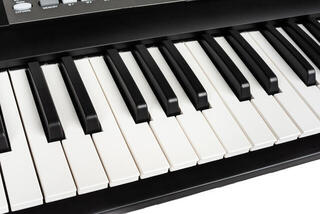
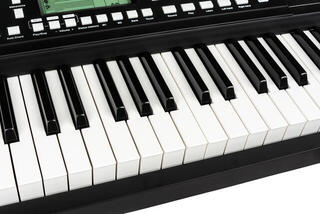
Touch response says nothing about the weight of the keys. A keyboard with touch response usually has light keys with no hammer action, which belongs to digital pianos.
Which type of keyboard suits whom?
| Type | Who it is for | What sets it apart |
|---|---|---|
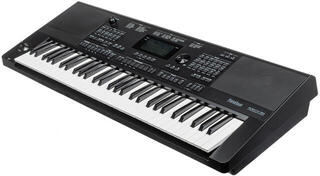
| Keyboard without Touch Response | first playing at home | the same volume for every note, simple controls |
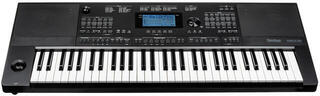
| Keyboard with Touch Response | beginners and music school pupils | volume that follows how hard you play, models Yamaha PSR-E383, PSR-E483 and EZ-310 |
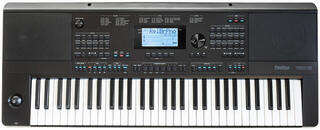
| Entertainer Keyboards | players at parties, in bands and when composing | arranger instruments Yamaha PSR-SX720, PSR-SX920, Genos 2 and Korg Pa700, Pa1000, Pa5X |
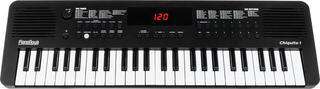
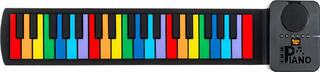
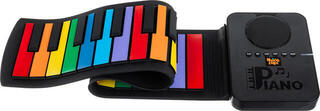
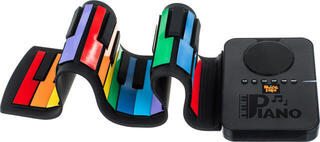
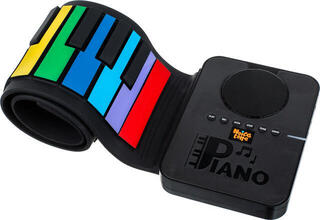
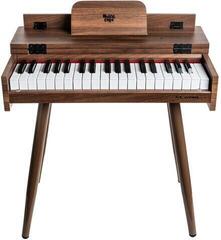
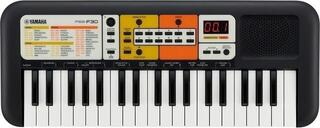
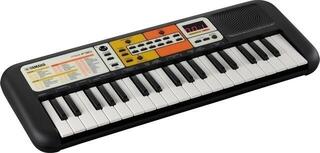
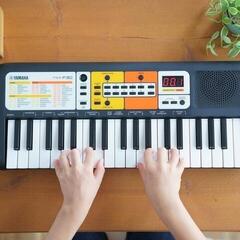
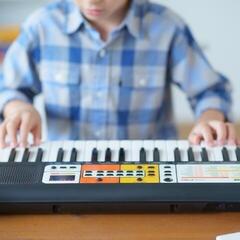
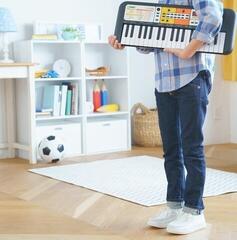
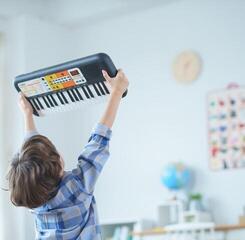
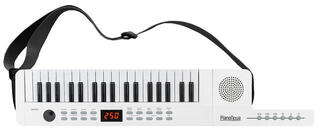
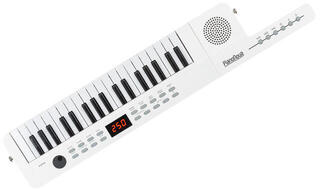
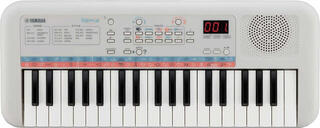
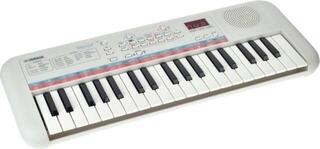
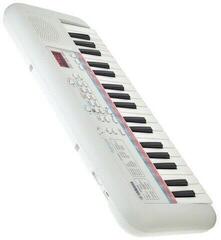
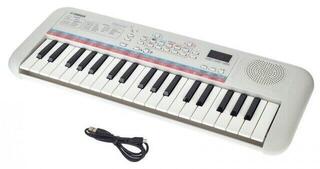
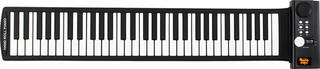
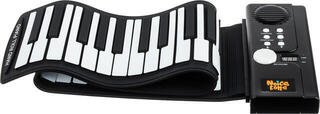
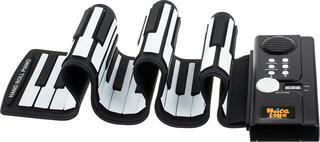
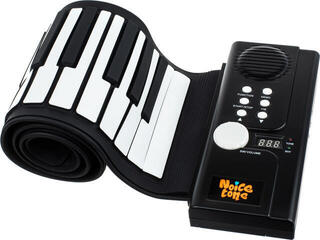
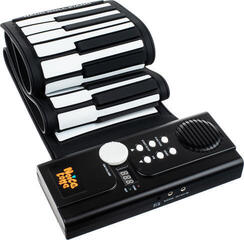
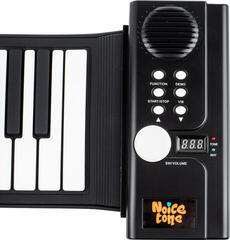
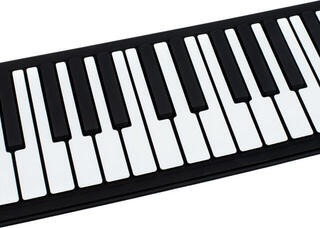
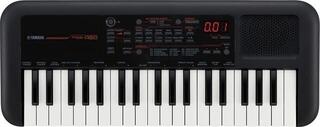
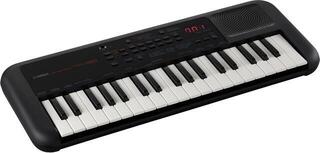
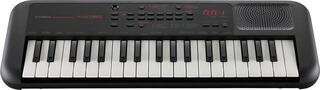
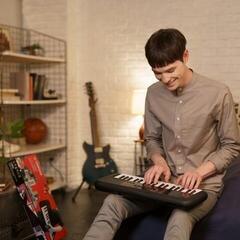
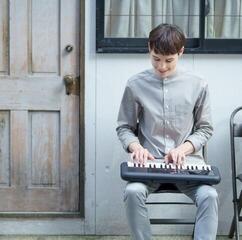
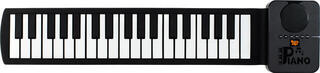
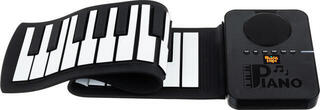
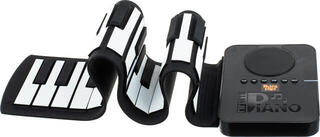
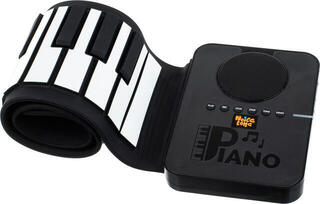
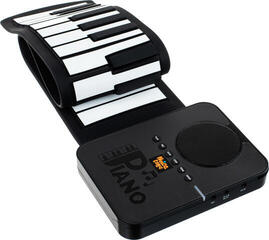
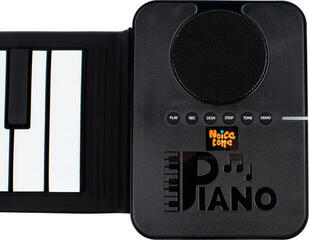
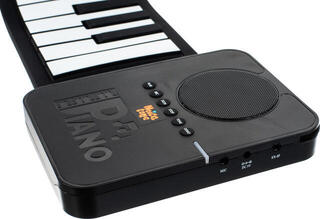
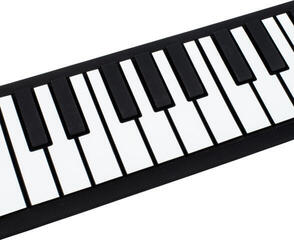
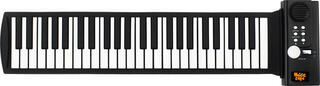
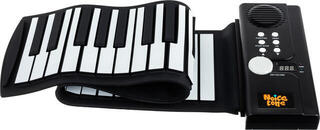
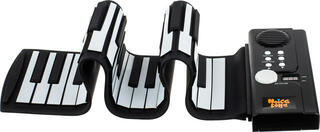
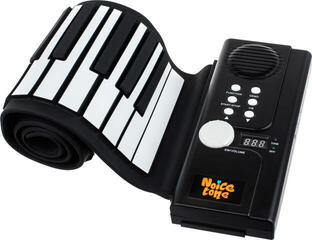
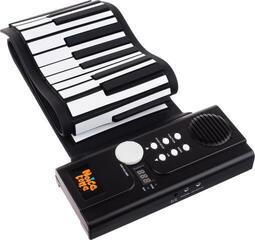
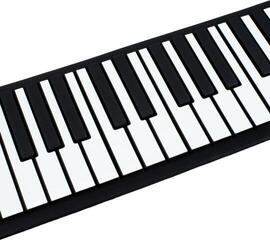
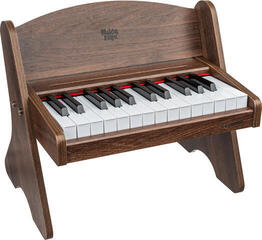
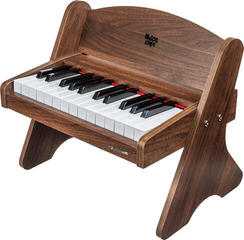
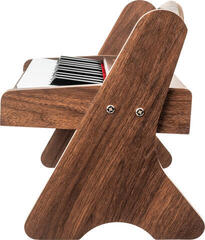
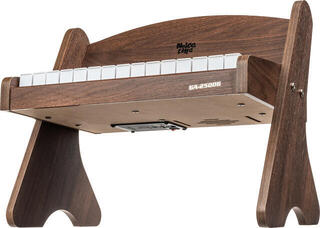
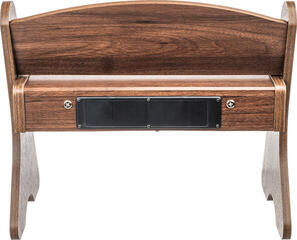
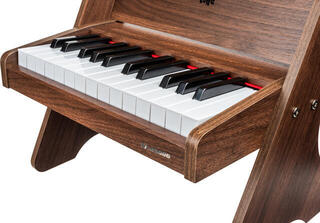
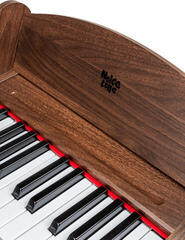
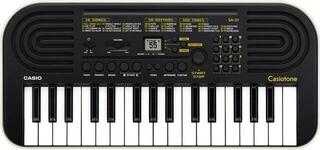
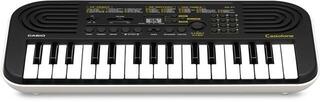
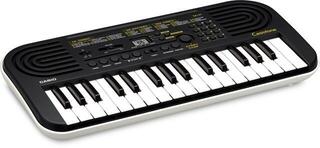
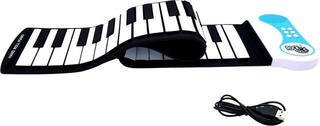
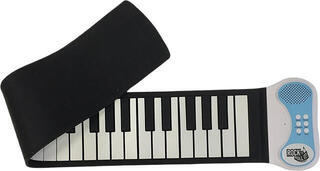
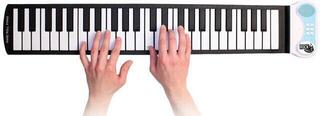
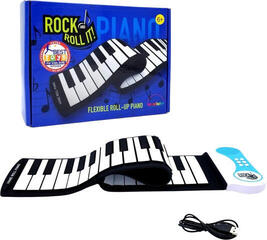
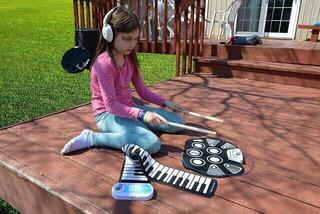
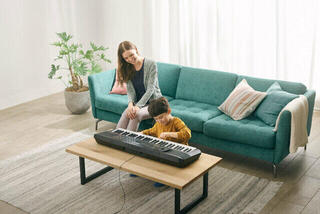
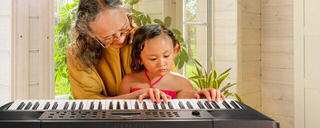
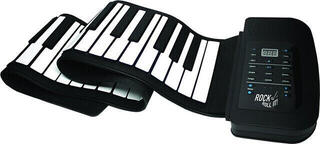
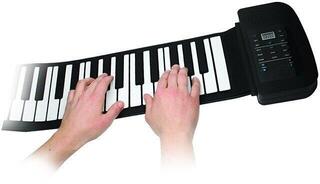
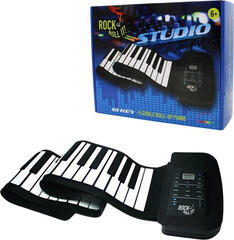
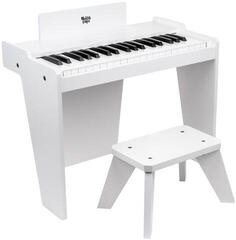
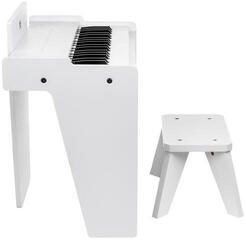
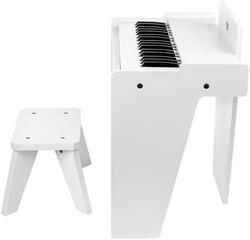
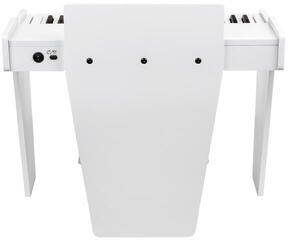
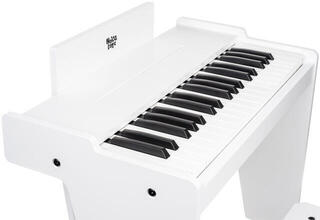
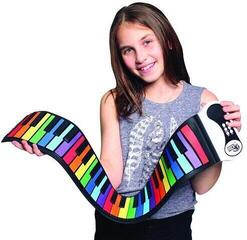
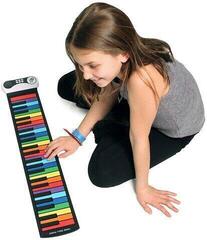
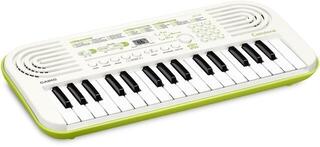
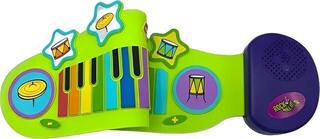
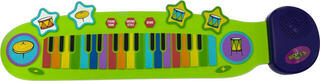
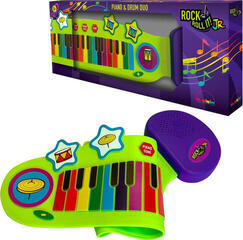
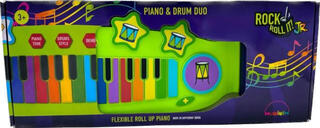
| Keyboards for Kids | the youngest players | fewer keys, most often 32, 37 or 49, and low weight |
A professional keyboard is also called an arranger keyboard. Your left hand holds the chords and the instrument plays a full band accompaniment to match, while you switch between intro, variations, fills and ending during the song. One player can provide the music for a whole evening this way.
How many keys does a keyboard need?
A keyboard with 61 keys covers five octaves and handles most pieces for beginners and early intermediate players. For piano pieces played with both hands, 76 keys are a better fit, as found on the Yamaha PSR-EW320 or the Genos 2. Instruments with 49 keys or fewer take up little space and are intended mainly for children.
Which features should you look for on a keyboard?
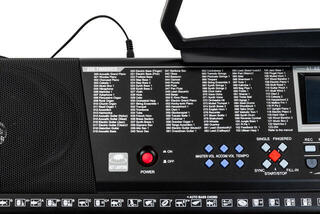
- Power: most keyboards run on a mains adapter as well as batteries, so you can take them to a holiday cottage or a classroom. Some models are sold without an adapter, which has to be bought separately.
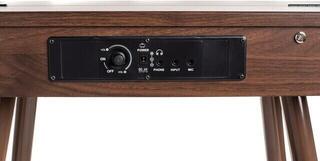
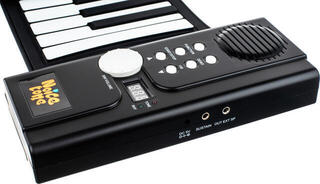
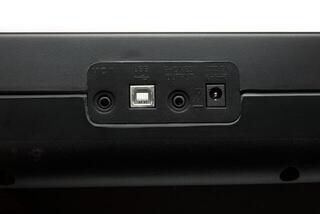
- Headphones: a headphone output lets you practise without the rest of the household hearing you play.
- Microphone: roughly half of the keyboards have a microphone input if you want to sing along as you play.
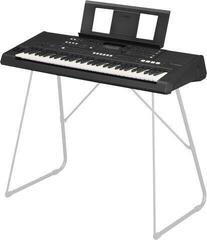
- Sets: a keyboard in a set comes with a stand, and some sets add headphones, a sustain pedal or a music rest.