 Albania
 Argentina
 Australia
 Austria
 Belgium
 Bosnia and Herzegovina
 Brazil
 Bulgaria
 Canada
 Chile
 Colombia
 Croatia
 Czech Republic
 Denmark
 Estonia
 Finland
 France
 Germany
 Greece
 Hungary
 Ireland
 Italy
 Latvia
 Lithuania
 Luxembourg
 Mexico
 Moldova
 Montenegro
 Netherlands
 New Zealand
 North Macedonia
 Norway
 Philippines
 Poland
 Portugal
 Romania
 Serbia
 Slovakia
 Slovenia
 South Africa
 Spain
 Sweden
 Switzerland
 Turkey
 Ukraine
 United Kingdom
 United States of America


D'Addario Instrument Strings
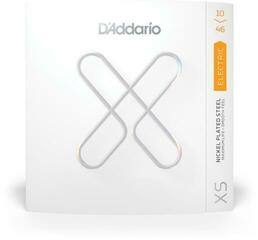
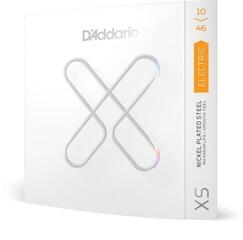
D'Addario strings here cover electric, acoustic and classical guitar, bass guitar, ukulele, mandolin, banjo and bowed string instruments. D'Addario makes them in the USA as both sets and single strings, so you can replace a broken string individually. The ranges differ in winding material, core and surface treatment. Your choice depends on the instrument, the gauge of the set and how long you want the strings to keep sounding fresh.
Which D'Addario range suits which instrument?
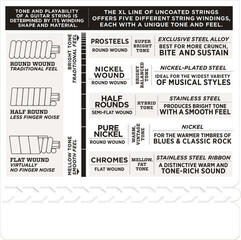
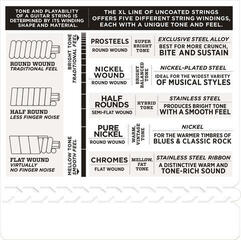
| Range | Instrument | What makes it different |
|---|---|---|
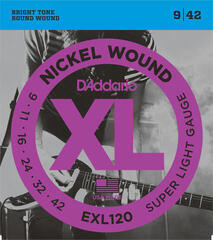
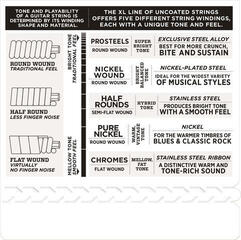
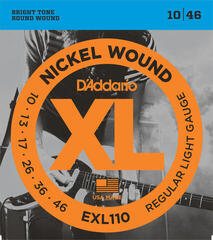
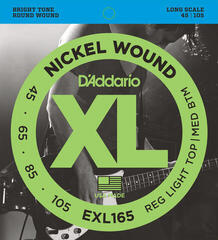
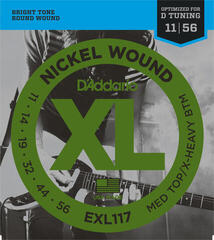
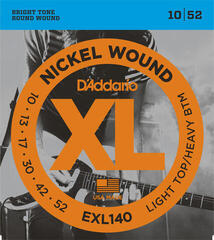
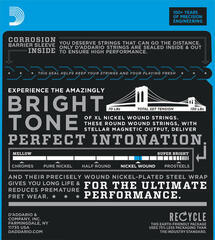
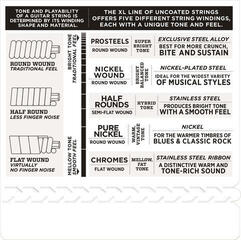
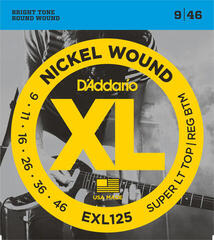
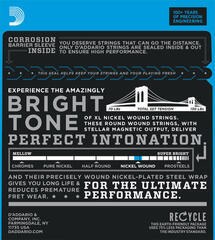
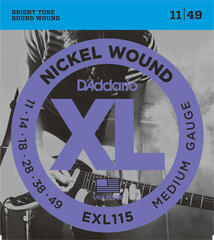
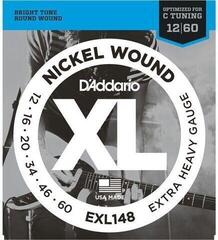
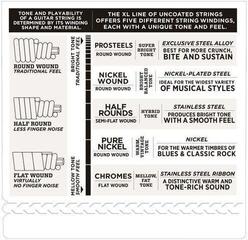
| EXL | electric guitar, bass guitar | nickel-plated steel winding |
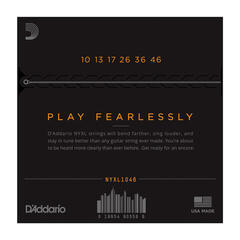
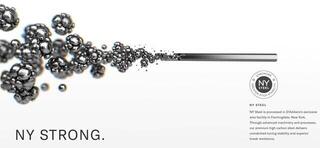
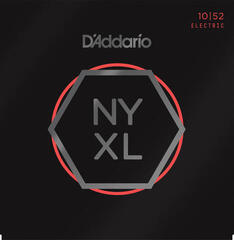
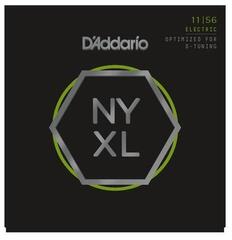
| NYXL | electric guitar, bass guitar | high-carbon steel core |
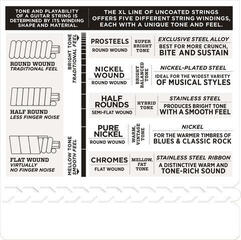
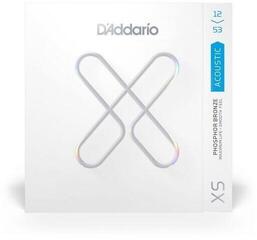
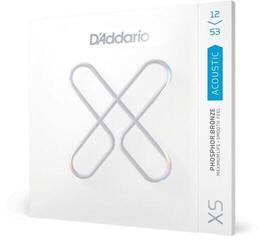
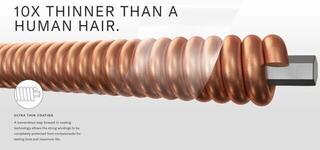
| XS and XT | acoustic and electric guitar, mandolin | thin protective coating |
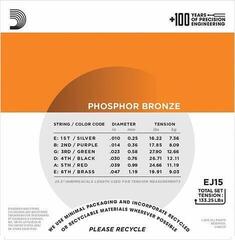
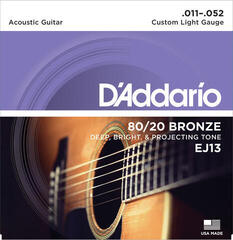
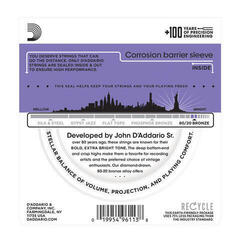
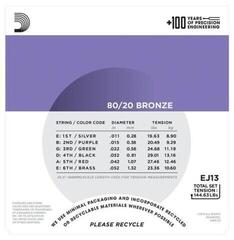
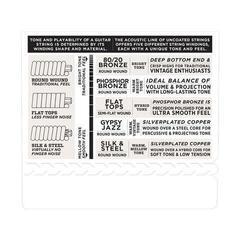
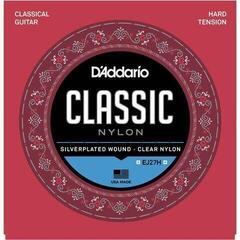
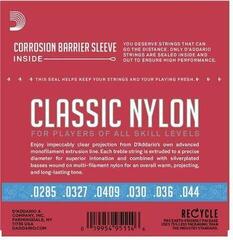
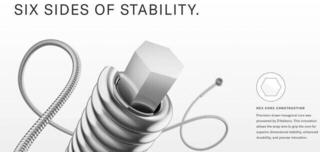
| EJ | acoustic and classical guitar, ukulele, banjo | phosphor bronze, 80/20 bronze or nylon |
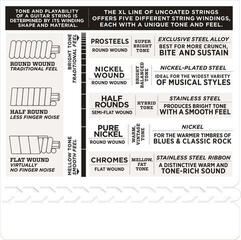
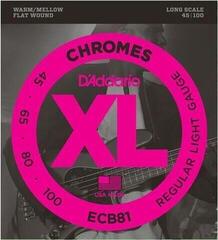
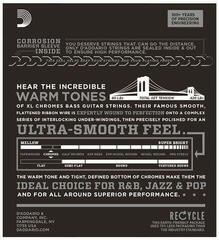
| Chromes (ECG, ECB) | electric guitar, bass guitar | smooth flatwound winding |
| ProSteels (EPS) | bass guitar | stainless steel winding |
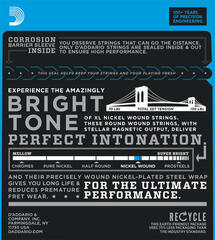
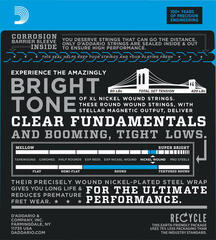
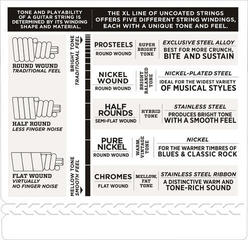
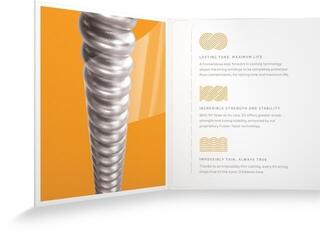
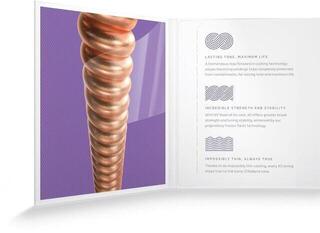
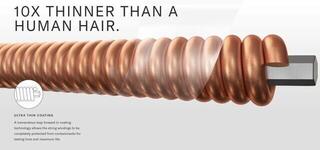
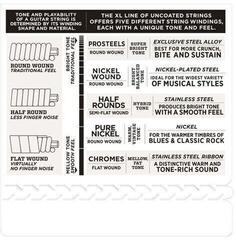
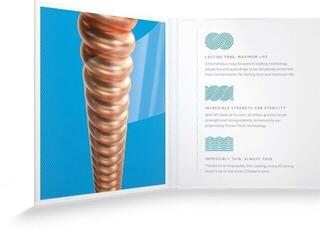
The protective coating on the XS and XT ranges shields the string from sweat and corrosion, so the set keeps its original sound for longer. The smooth flatwound winding of the Chromes range has no grooves. Your fingers slide over it with almost no noise and the tone is darker, which jazz players appreciate. For the NYXL range, the manufacturer states that the strings hold their tuning better after bends and hard picking.
Phosphor bronze or 80/20 bronze for acoustic guitar?
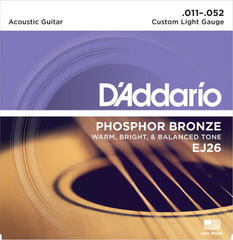
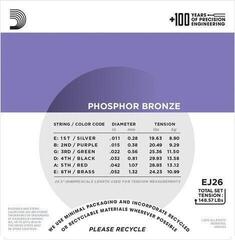
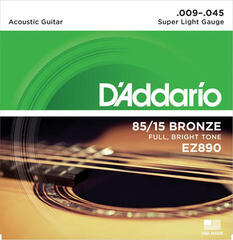
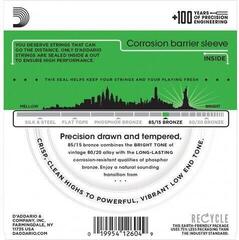
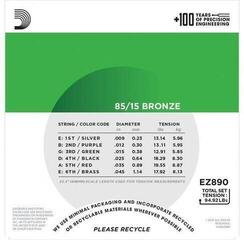
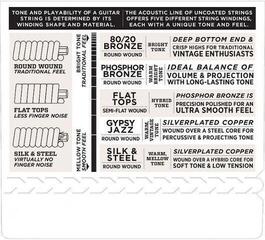
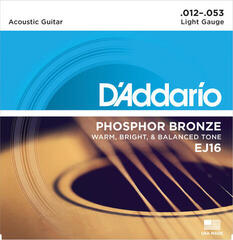
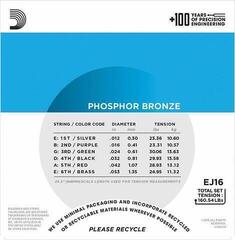
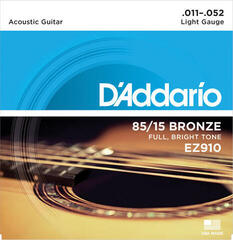
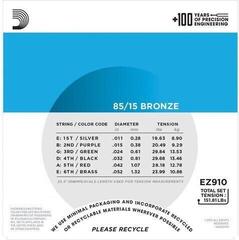
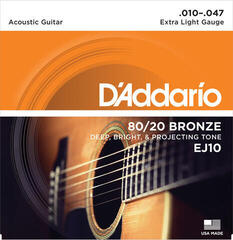
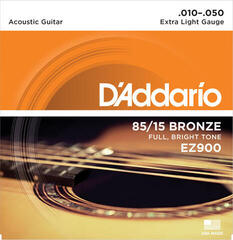
Phosphor bronze strings, such as EJ16 or EJ26, sound warmer and more balanced and lose their tonal sparkle more slowly. The 80/20 bronze in EJ10, EJ11 and EJ12 sets sounds brighter and more sparkling but becomes darker in tone sooner. The EZ Great American Bronze range uses 85/15 bronze. If you want phosphor bronze with a longer lifespan, choose XSAPB sets with a protective coating.
How do you read string gauge and tension?
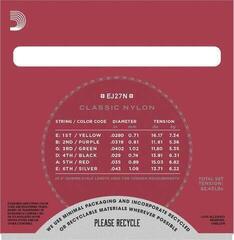
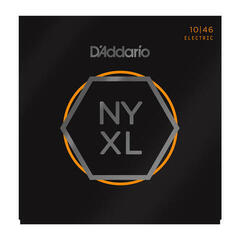
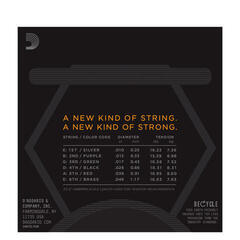
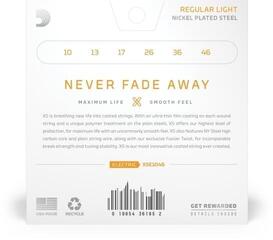
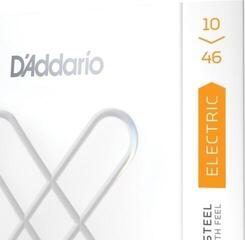
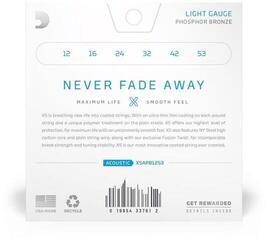
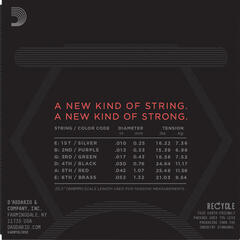
The numbers in a set's name give the thickness of the thinnest and thickest strings in thousandths of an inch: 10-46 means a first string of .010 and a sixth of .046. Names such as Super Light, Regular Light or Medium are the manufacturer's names for a complete set, rather than a standardised scale of stiffness. Thinner strings are easier to fret and bend, while thicker strings give a fuller tone and cope better with lower tunings. Moving more than one gauge step usually calls for adjusting the neck and string height.
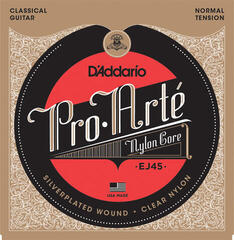
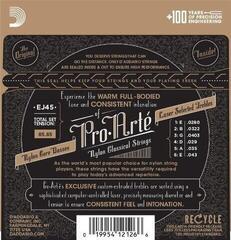
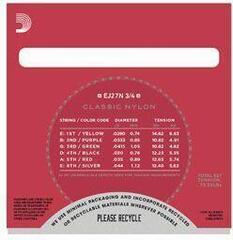
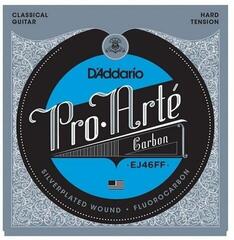
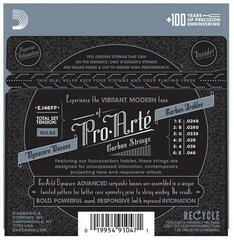
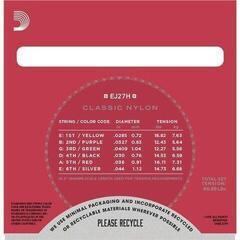
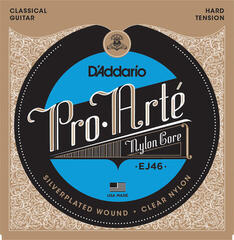
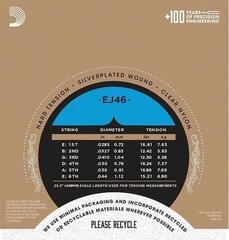
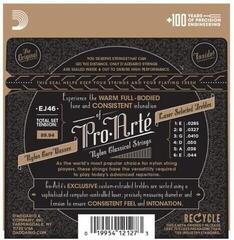
For a classical guitar, you choose tension rather than gauge: Pro-Arté sets come in normal tension (EJ45) or hard tension (EJ46), for example. Violin, viola, cello and double bass strings from the Prelude, Helicore, Zyex, Kaplan and Ascenté ranges are on the page D'Addario Orchestra Strings, where you choose according to instrument size and tension. You can find tuners, cables and other accessories from the manufacturer on the page D'Addario Accessories.