 Albania
 Argentina
 Australia
 Austria
 Belgium
 Bosnia and Herzegovina
 Brazil
 Bulgaria
 Canada
 Chile
Chile
 Colombia
 Croatia
 Czech Republic
 Denmark
 Estonia
 Finland
 France
 Germany
 Greece
 Hungary
 Ireland
 Italy
Italy
 Latvia
 Lithuania
 Luxembourg
 Mexico
 Moldova
 Montenegro
 Netherlands
 New Zealand
 North Macedonia
 Norway
 Philippines
 Poland
 Portugal
 Romania
 Serbia
 Slovakia
 Slovenia
 South Africa
 Spain
Spain
 Sweden
 Switzerland
 Turkey
 Ukraine
 United Kingdom
 United States of America



Top 10 albums that defined British heavy metal
Heavy metal was not born in America but in Birmingham. In 1965 a press in a sheet metal factory took the tips of two fingers off seventeen year old Tony Iommi's right hand. Doctors told him he was finished with the guitar. He made thimbles from a washing-up liquid bottle, strung banjo strings and tuned down. These are the ten albums British metal stands on.
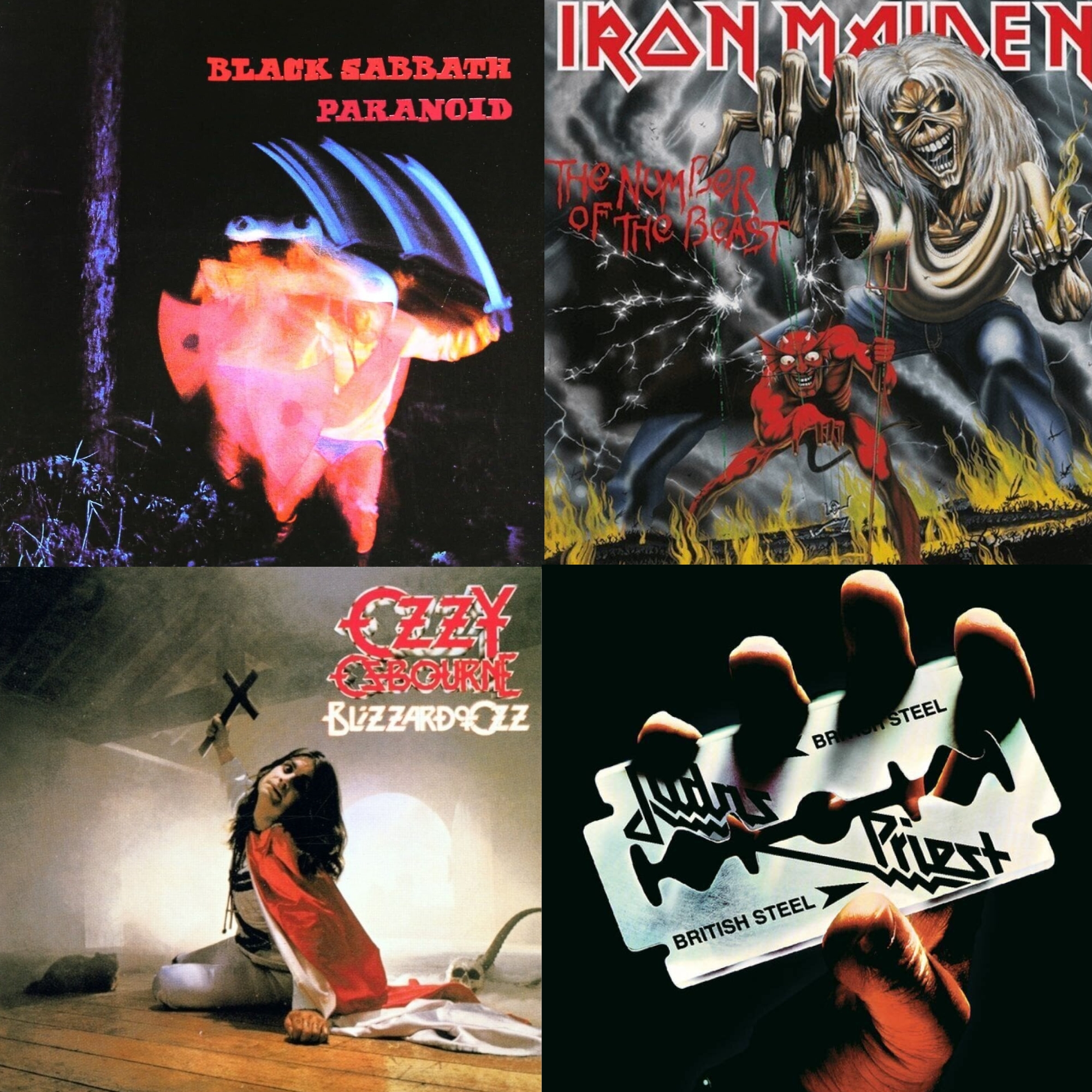
Heavy metal was not born in America but in Birmingham. In 1965 a guillotine press in a sheet metal factory took the tips of two fingers off the right hand of seventeen year old Tony Iommi, the hand he frets with. It was his last day at that factory. Doctors told him he was finished with the guitar. Instead he made thimbles out of a plastic washing-up liquid bottle and strung his guitar with banjo strings, because light gauge guitar strings were not made yet. To make them pull even less, he tuned the guitar down. That is exactly where the heavy, dark sound the whole planet plays today comes from. These are the ten albums British metal stands on. You should not be missing a single one at home.
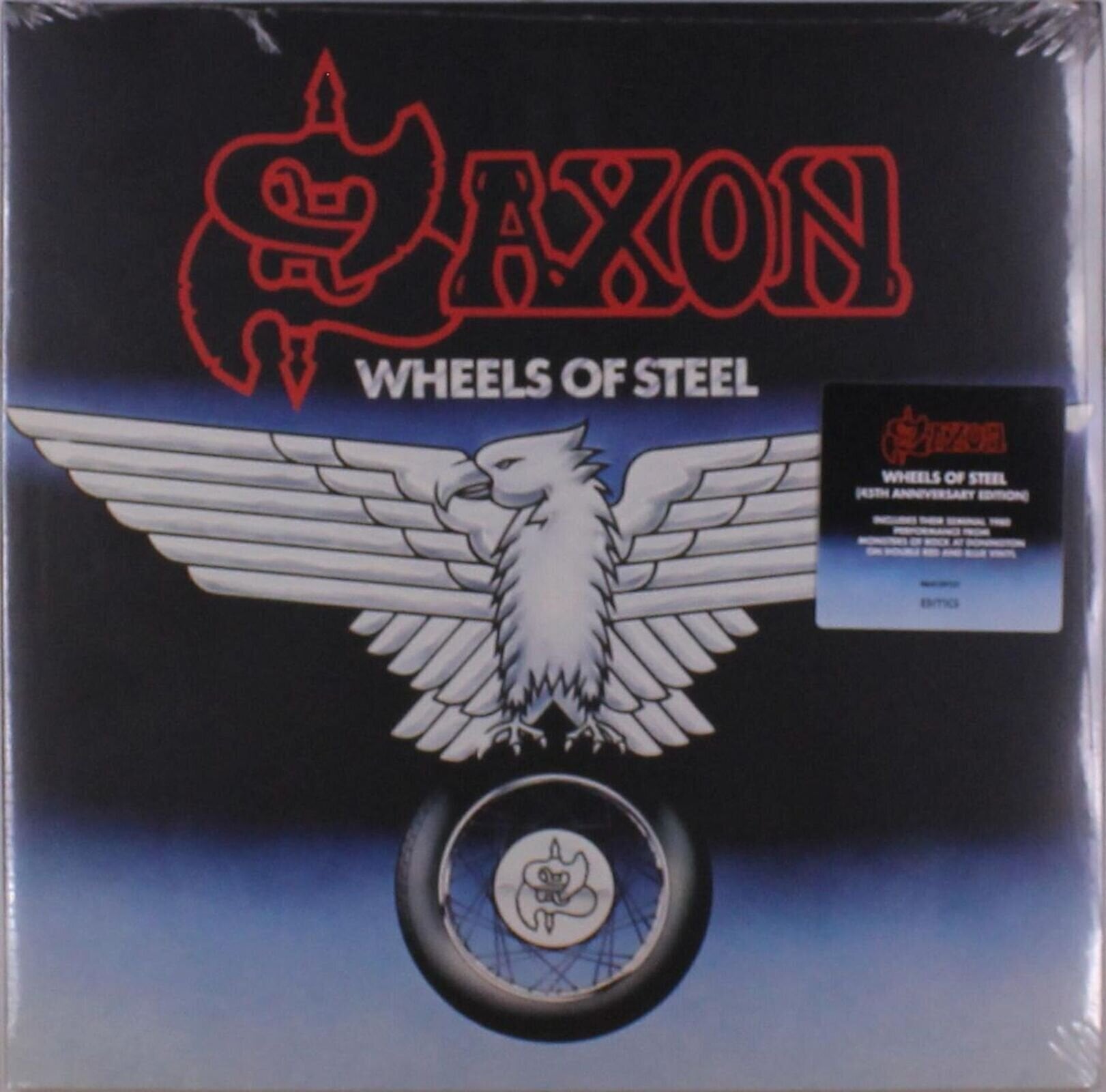
10. Saxon – Denim and Leather (1981)
Working class lads from Barnsley in South Yorkshire. Saxon were never the best dressed band on the scene, but without them the new wave of British heavy metal would not have had that speed. Wheels of Steel, Strong Arm of the Law and this album are the three records the whole wave rests on. Their fourth album came out on 25 September 1981, reached number nine in Britain and went gold there.
Three singles came off it: And the Bands Played On, Never Surrender and Princess of the Night. The title track Denim and Leather is a different matter, though. It is not about the band, it is about the people in front of the stage and about who was where when the whole thing started. That is why it became the anthem of the entire scene and why Biff Byford still sings it live today.
Fun fact: It is the last album by the classic line-up. Drummer Pete Gill left the band after it because of a hand injury.
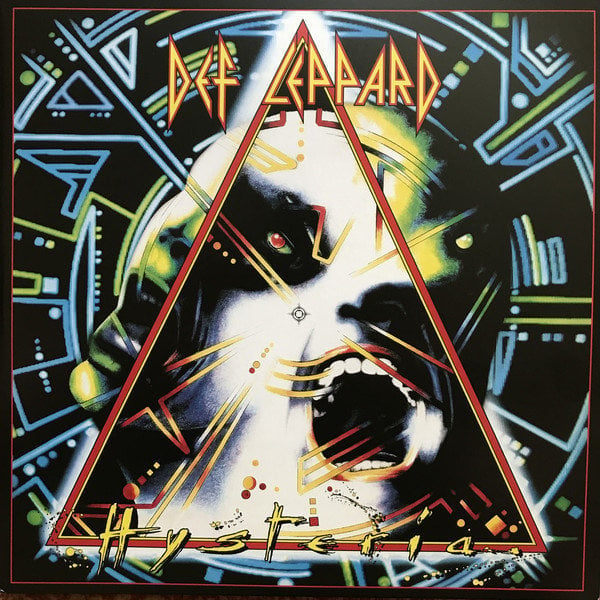
9. Def Leppard – Hysteria (1987)
On New Year's Eve 1984 drummer Rick Allen crashed his car and lost his left arm. The band did not announce a break. Producer Mutt Lange convinced him he could still play, just differently, and Simmons built him an electronic kit on which foot pedals took over the parts of the missing arm. Allen returned to the stage in 1987 with two identical custom kits and he is still behind the drums in Def Leppard today.
The album took more than three years and it was Lange's third and final job with the band. Twelve tracks, seven of which became singles: Animal, Women, Pour Some Sugar on Me, Hysteria, Armageddon It, Love Bites and Rocket. It has sold over 25 million copies, making it their best selling record.
Fun fact: That means more than half the album came out as a single. Behind that number is Lange's obsession with a record that sounds equally good in a car, in a stadium and out of a small radio.
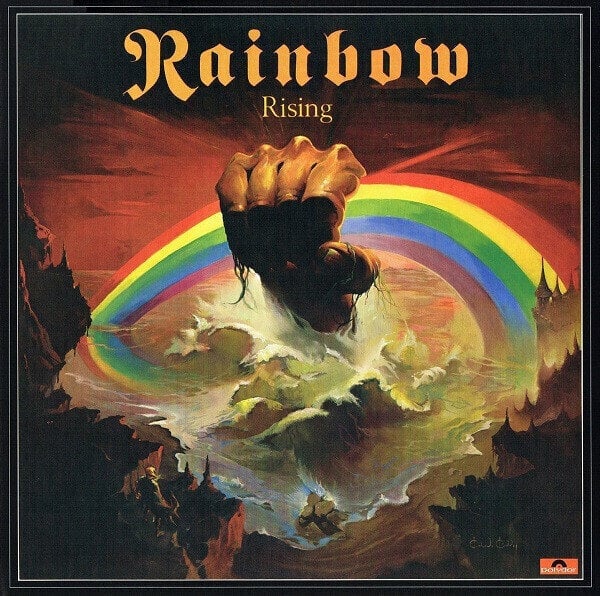
8. Rainbow – Rising (1976)
When Ritchie Blackmore left Deep Purple, he kept exactly one man from the previous Rainbow line-up. Singer Ronnie James Dio. He rebuilt the rest from scratch: drummer Cozy Powell, bassist Jimmy Bain, keyboard player Tony Carey. In February 1976 they holed up in Musicland studio in Munich and were done in under a month.
There are six tracks on the album and not one weak. The peak is the eight minute Stargazer, about a wizard who has a tower to the stars built and enslaves thousands of people to do it. Blackmore brought in members of the Munich Philharmonic Orchestra conducted by Rainer Pietsch, and Dio delivered a performance many still count as the best of his life.
Fun fact: The album was produced by Martin Birch. You will see that same name once more in this countdown, six places higher.
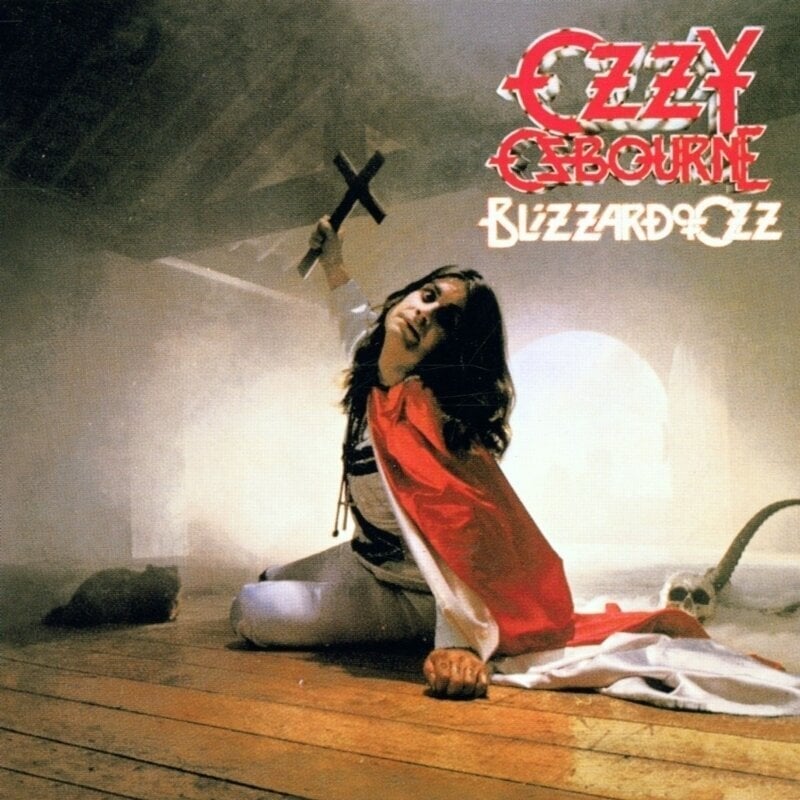
7. Ozzy Osbourne – Blizzard of Ozz (1980)
On 27 April 1979 Ozzy was fired from Black Sabbath over drink and drugs. It looked like the end, but later that same year he ran into a twenty two year old guitarist at the Jet Records offices, Randy Rhoads of Quiet Riot. Rhoads was no Sabbath fan and almost skipped the audition. In the end he played a few harmonics through a small practice amp and that was enough for Ozzy.
The line-up was completed by bassist Bob Daisley and drummer Lee Kerslake, who had previously played in Uriah Heep. Crazy Train was written by Osbourne, Rhoads and Daisley together and its riff is still one of the first things every beginner metal guitarist learns. The album came out in Britain on 12 September 1980 and in America only half a year later.
Fun fact: Rhoads died on 19 March 1982 when a small plane hit the band's tour bus. He was twenty five and had made two albums with Ozzy.
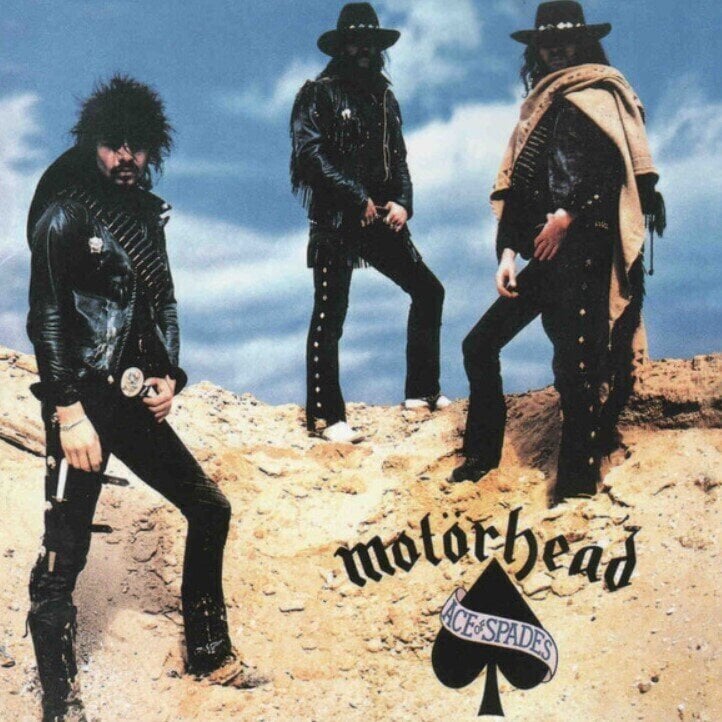
6. Motörhead – Ace of Spades (1980)
Lemmy was thrown out of Hawkwind in May 1975 after being arrested for drugs at the Canadian border. He started Motörhead straight afterwards. He played bass like a rhythm guitar, through guitar amps and with so much distortion that in a three piece it covered the second guitar as well. Ace of Spades was recorded between 4 August and 15 September 1980 at Jackson's Studios in Rickmansworth with producer Vic Maile, who had previously worked on records by Jimi Hendrix, Led Zeppelin and The Who.
Maile pulled off something hard. He cleaned up the band's sound on record without taking away the dirt or the speed. The album climbed to number four on the UK chart and went gold by March 1981, making it the most commercially successful record Motörhead ever made. The title track Ace of Spades is the most quoted British metal riff after Sabbath, and (We Are) The Road Crew is a tribute to road crews nobody else has written.
Fun fact: The band was originally going to be called Bastard. Manager Doug Smith killed the idea, saying a band with that name would never get on prime time, and came up with Motörhead. Lemmy later insisted the name was his own choice.
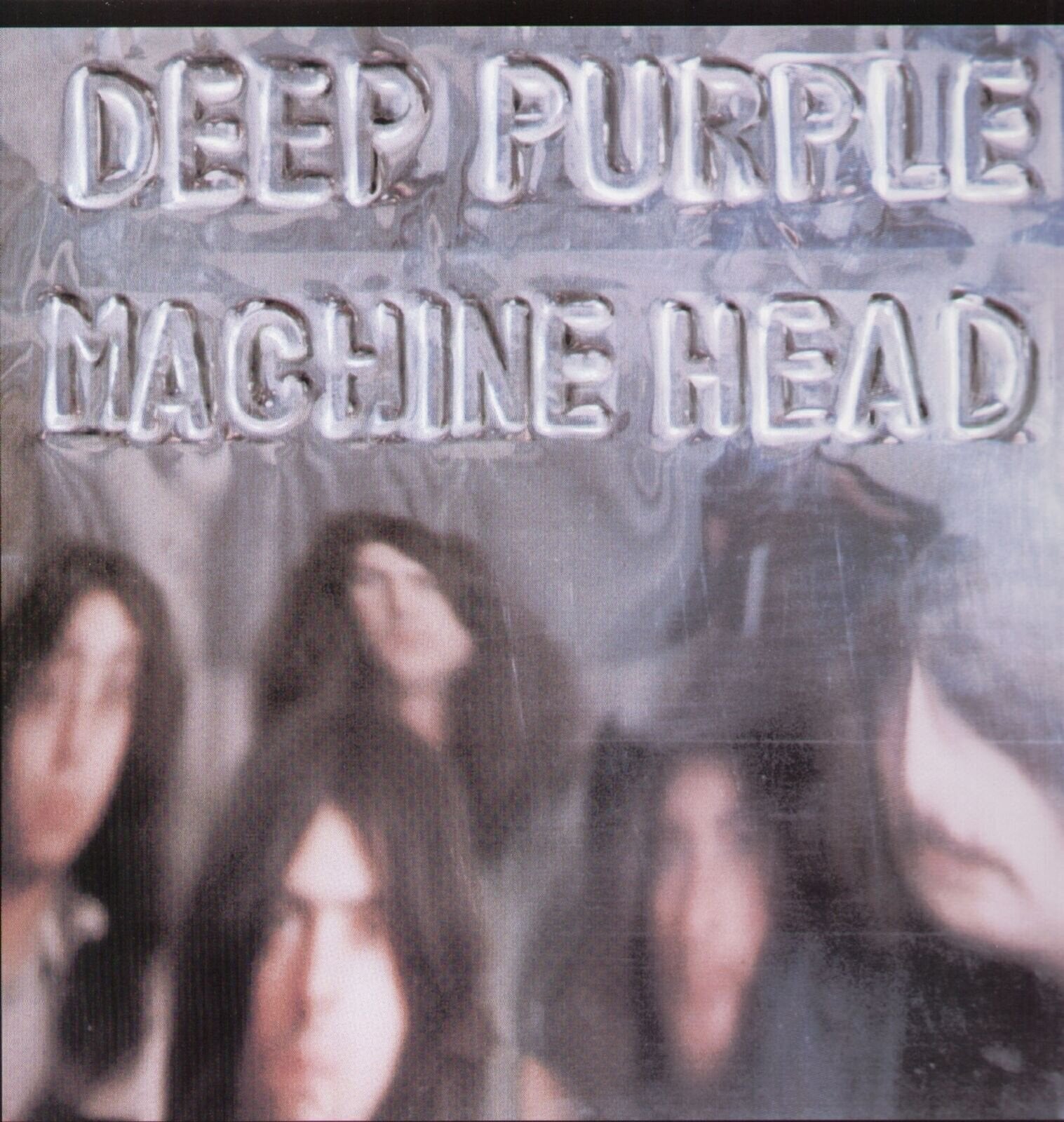
5. Deep Purple – Machine Head (1972)
Deep Purple arrived in Montreux on 3 December 1971 planning to record the album in the local casino. The next day, during a Frank Zappa concert, someone fired into the rattan ceiling and the casino burned to the ground. Nobody died, but the band was left with no studio and a truck full of rented gear. Promoter Claude Nobs eventually found them the Grand Hotel, closed for the winter.
Recording ran from 6 to 21 December with the Rolling Stones Mobile Studio parked outside the hotel. Two adjacent hallways and a bathroom served as the live room, the walls were damped with mattresses and the band had to walk along the balconies to reach the listening room. Out of those conditions came Highway Star, Space Truckin' and Smoke on the Water, which is not a metaphor but a literal description of that fire.
Fun fact: The very same Rolling Stones Mobile Studio truck was hired around the same time by Led Zeppelin, who used it to record their fourth album at the Headley Grange country house.
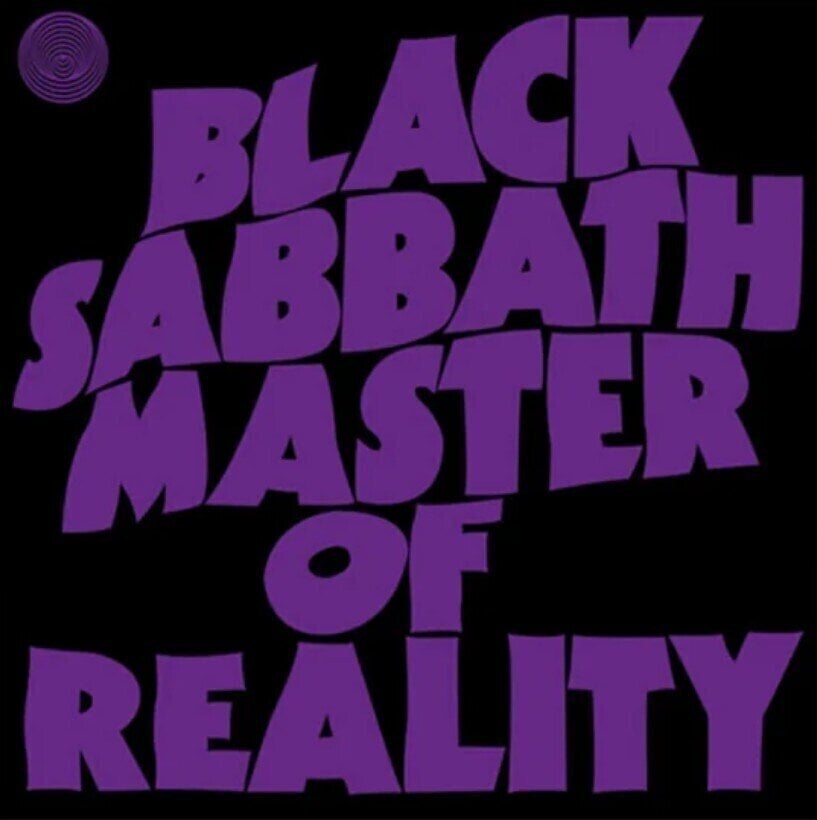
4. Black Sabbath – Master of Reality (1971)
Black Sabbath appear twice in this countdown and that is not a mistake. If Paranoid opened the genre, this album gave it the sound still in use today. For the recording Tony Iommi tuned his guitar down three semitones to C sharp, so the strings pulled less and playing hurt less. Geezer Butler dropped his bass to match.
The result is darker and dirtier than anything before it. Sweet Leaf opens the album with a cough and a riff that crawls like a bulldozer, and Children of the Grave is the best proof you can be slow and furious at the same time. That downtuning became the foundation of doom, sludge and stoner metal. Every band playing slow and low today goes back to this record.
Fun fact: After the injury Iommi could not press the strings the way he wanted, and the lower tuning made the job easier. A purely practical need created a sound that twenty years later carried the entire stoner and doom scene.
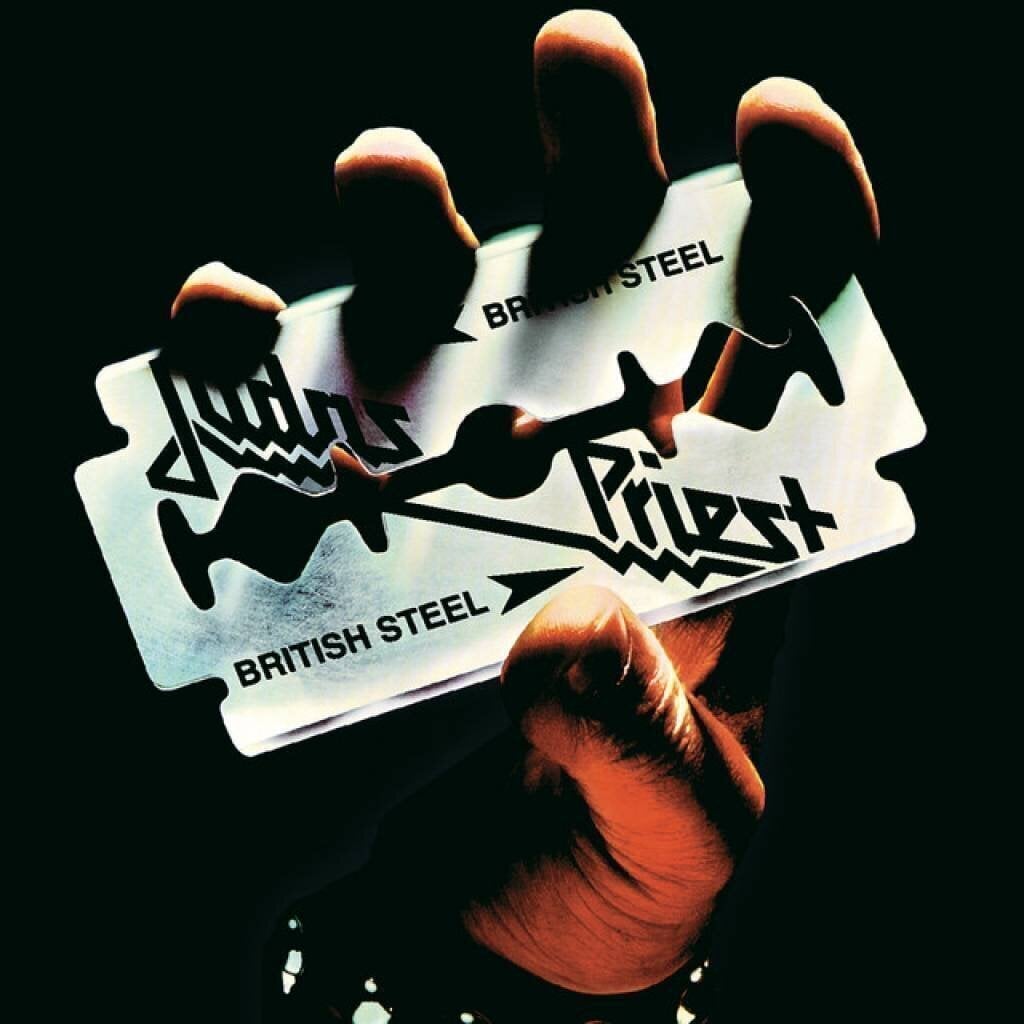
3. Judas Priest – British Steel (1980)
Leather and studs came into Judas Priest through guitarist K. K. Downing before this album. He took Rob Halford to an S&M shop in London, they kitted themselves out and then modelled it for the rest of the band. On British Steel the sound finally matched the look: the twin guitars of Downing and Glenn Tipton and songs cut down to three to five minutes. It was recorded at Tittenhurst Park, a seventy two acre estate then owned by Ringo Starr and before him by John Lennon.
Breaking the Law and Living After Midnight are still their most played songs, and Metal Gods gave the genre one of its best known nicknames. The album reached number four on the UK chart, their highest placing at the time. In August 2026 the band played a show at the Tipos Arena in Bratislava.
Fun fact: They had no sampler, so they made the sounds themselves. The breaking glass in Breaking the Law is a real milk bottle, and some of the sounds in Metal Gods came from banging billiard cues and trays of cutlery. Ringo banned motorbike riding and fishing on the grounds. The band ignored both.
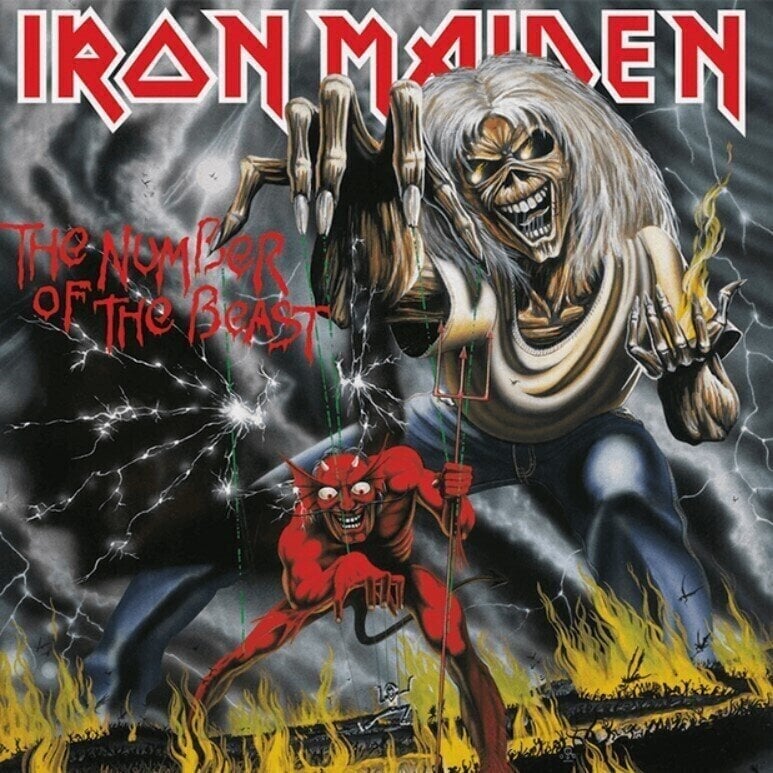
2. Iron Maiden – The Number of the Beast (1982)
In late 1981 Iron Maiden swapped singer Paul Di'Anno for Bruce Dickinson, whom their manager pulled out of the band Samson. It was not a cosmetic change. Steve Harris rewrote the way he writes to suit Bruce's range, and guitarist Adrian Smith contributed songwriting for the first time. It was recorded at Battery Studios in London with producer Martin Birch and released on 22 March 1982.
The result still holds the genre up. A galloping bass, twin guitars and a singer who sounds like an opera tenor in leather trousers. Run to the Hills, The Number of the Beast and Hallowed Be Thy Name pushed the band into stadiums and the album became their first to top the UK chart. In America religious groups burned their records, which was the best advertising they could have asked for.
Fun fact: Birch crashed his car on a rainy Sunday evening right after they finished the title track. The garage handed him a repair bill for 666 pounds. He was so spooked that he insisted they charge him 667.
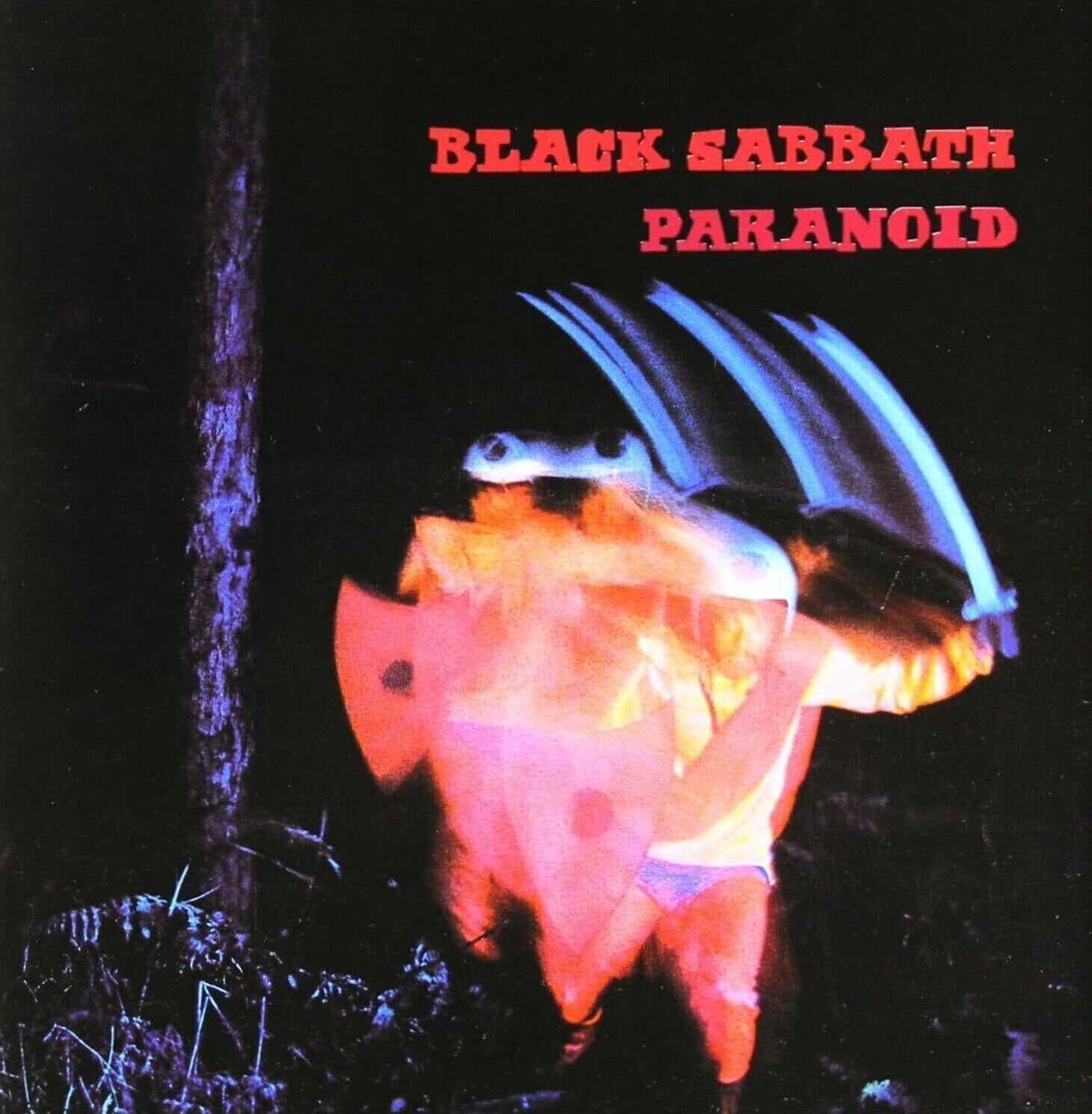
1. Black Sabbath – Paranoid (1970)
Number one and the birth certificate of the whole genre. Black Sabbath recorded the album in June 1970 at Regent Sound and Island studios in London, between the sixteenth and the twenty first of the month, with producer Rodger Bain. Four lads from Birmingham who did not want to play blues about love, but about war, drugs and fear. And they found a sound for it that nobody had used before.
The process was simple. Iommi brought a riff, Ozzy found a melody for it, Geezer Butler wrote most of the lyrics and Bill Ward laid a pounding rhythm underneath. War Pigs is an anti-war song, Iron Man has one of the heaviest riffs anyone ever wrote, and Paranoid is the only single that took the band into the UK top 20. It reached number four. The album went to number one.
Fun fact: The record was meant to be called War Pigs, but the label got scared of the reaction during the Vietnam war. The band wrote and recorded the title track Paranoid in twenty to twenty five minutes as filler, so the album would not be too short. It became their biggest hit and the album was named after it.
British metal is still playing
None of it has aged. The classics keep coming out as remastered reissues on vinyl and CD, and Metallica still play songs by Diamond Head, the band they learned from. If you want to go deeper than the top ten, put on Saxon, Whitesnake, Thin Lizzy and Venom.
And if it grabbed you enough that you want to play it, the principle has not changed since Iommi. You need an electric guitar, a proper amp and an effect that handles distortion without smearing the sound. Play the records on a turntable, tune it with headphones and top it off with merch. The previous part of the series is about nu metal.
Photo sources: Shutterstock, Wikipedia, Discogs