Albania
 Argentina
 Australia
 Austria
 Belgium
 Bosnia and Herzegovina
 Brazil
 Bulgaria
 Canada
 Chile
 Colombia
 Croatia
 Czech Republic
 Denmark
 Estonia
 Finland
 France
 Germany
 Greece
 Hungary
 Ireland
 Italy
 Latvia
 Lithuania
 Luxembourg
 Mexico
 Moldova
 Montenegro
 Netherlands
 New Zealand
 North Macedonia
 Norway
 Philippines
 Poland
 Portugal
 Romania
 Serbia
 Slovakia
 Slovenia
 South Africa
 Spain
 Sweden
 Switzerland
 Turkey
 Ukraine
 United Kingdom
 United States of America


Acrylic paint brushes
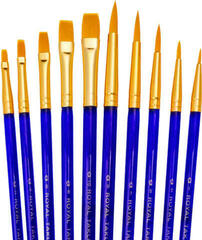
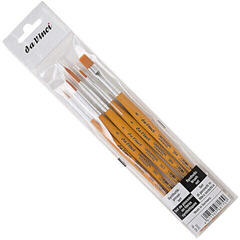
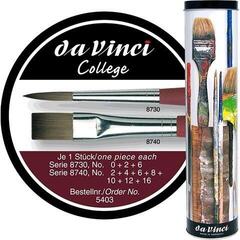
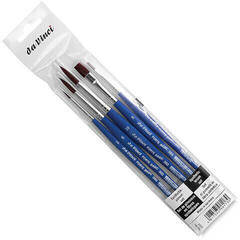
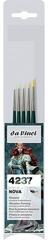
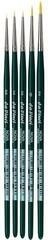
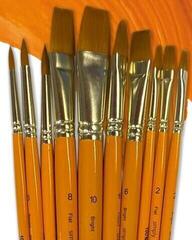
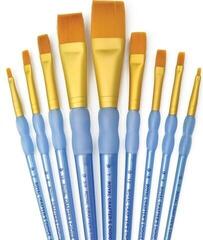
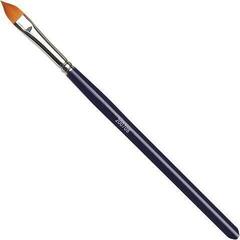
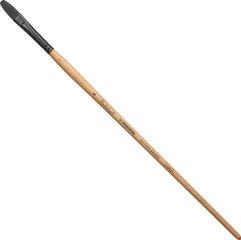
Acrylic paint brushes have firmer, springier hairs than watercolour brushes because acrylic paint is thick and dries quickly. Here you’ll find brushes recommended by their manufacturers for acrylic painting: flat, round, oval filbert, fan and angled brushes, available individually or in sets. Most have synthetic hairs or synthetic bristles, while a smaller proportion use natural hog bristle. Princeton (Aspen, Catalyst, Umbria) and Daler Rowney (System3 Acrylic) make ranges specifically for acrylic painting. Many acrylic paint brushes also work with oils or watercolours – the manufacturer specifies which paints each product is suitable for.
Which hairs or bristles should acrylic paint brushes have?
Soft synthetic hairs, often called taklon, leave a smooth finish without visible brushstrokes, making them suitable for thinned acrylic paint, glazes and detail work. Synthetic bristles, such as those in the Princeton Aspen, Catalyst and Umbria ranges, are stiffer and can carry thick paint straight from the tube for impasto work that leaves the brushstrokes visible. Natural hog bristle holds plenty of paint but softens in water, so it is better suited to thick acrylic paint and oils. Synthetic brushes withstand frequent washing in water and quickly return to their original shape.
Which brush shape should you use for each acrylic painting technique?
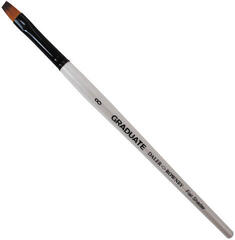
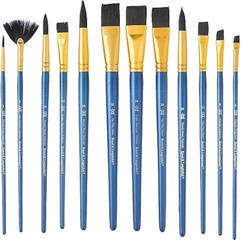
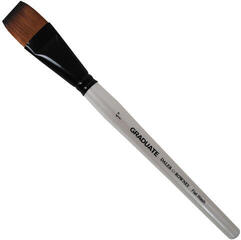
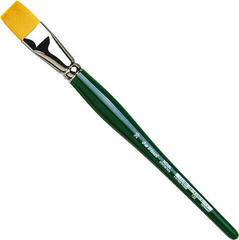
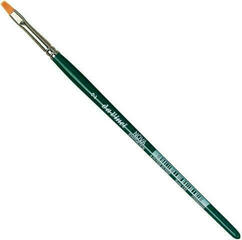
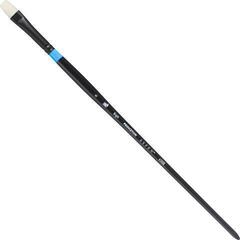
- Flat brush – for even areas of colour, sharp edges and broad strokes; the shorter bright brush can carry thicker paint.
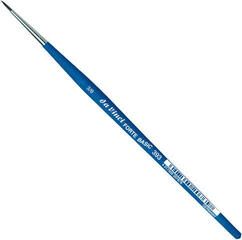
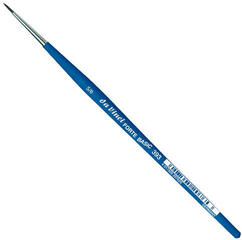
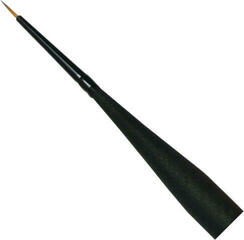
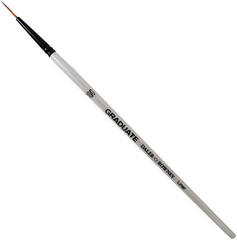
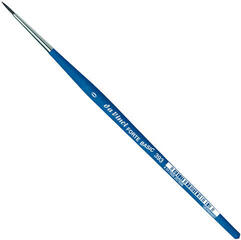
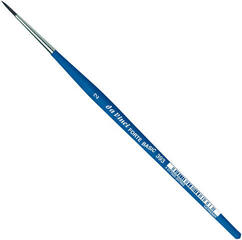
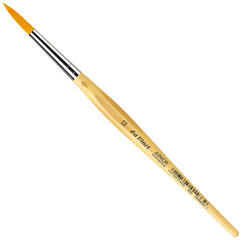
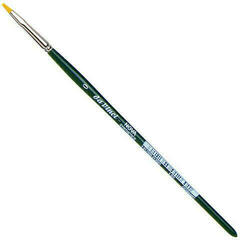
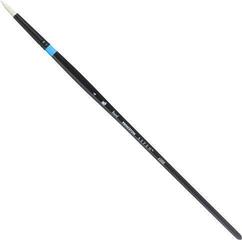
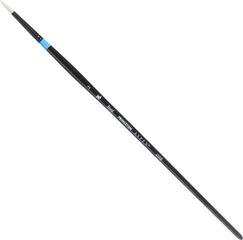
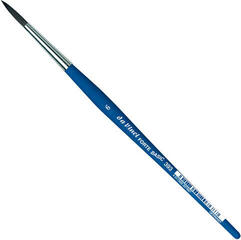
- Round brush – for lines, outlines and details; applying more pressure produces a wider stroke.
- Oval filbert brush – a flat brush with a rounded tip for soft transitions, rounded shapes and portraits.
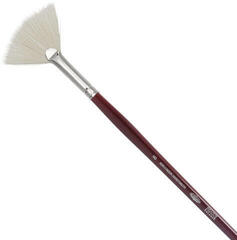
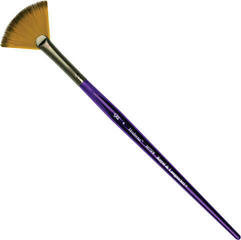
- Fan brush – for grass, foliage, clouds and softening transitions.
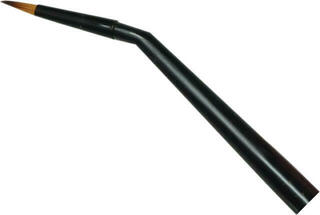
- Angled brush and liner – for corners, fine lines and signatures.
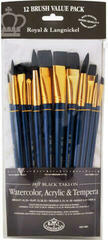
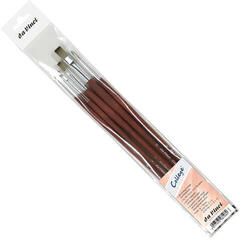
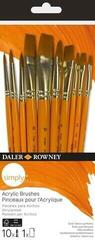
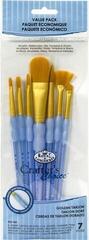
A long handle helps when you’re painting on canvas, letting you work at a distance. A short handle suits painting on paper and working on small details at a table. If you want several sizes at once, take a look at the paint brush sets.
How should you care for your brushes after painting with acrylics?
Water won’t dissolve dried acrylic paint, so keep your brush in a glass of water between uses while you paint, then wash it straight away with lukewarm water and soap when you’ve finished. Reshape the hairs with your fingers and leave the brush to dry flat or with its tip pointing upwards, never tip-down in a glass. Alongside your brushes, you’ll need acrylic paints and a painting surface, such as artist canvases.