 Albania
 Argentina
 Australia
 Austria
 Belgium
 Bosnia and Herzegovina
 Brazil
 Bulgaria
 Canada
 Chile
Chile
 Colombia
 Croatia
 Czech Republic
 Denmark
 Estonia
 Finland
 France
 Germany
 Greece
 Hungary
 Ireland
 Italy
Italy
 Latvia
 Lithuania
 Luxembourg
 Mexico
 Moldova
 Montenegro
 Netherlands
 New Zealand
 North Macedonia
 Norway
 Philippines
 Poland
 Portugal
 Romania
 Serbia
 Slovakia
 Slovenia
 South Africa
 Spain
Spain
 Sweden
 Switzerland
 Turkey
 Ukraine
 United Kingdom
 United States of America



Patch Cables | page 2
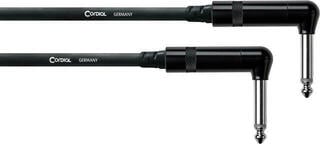
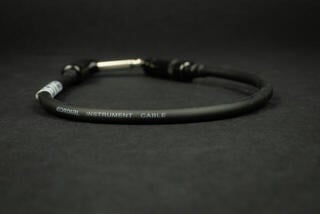
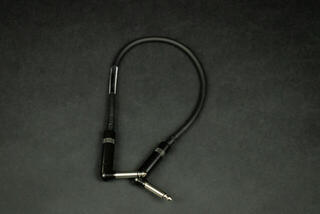
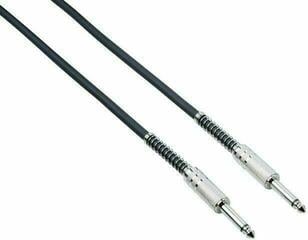
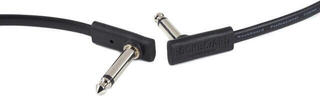
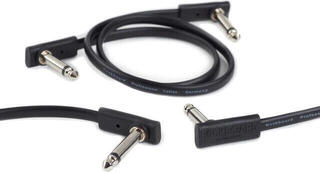
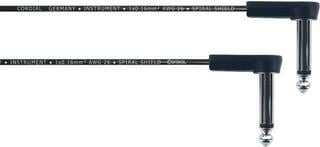
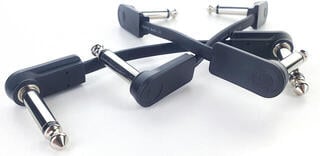
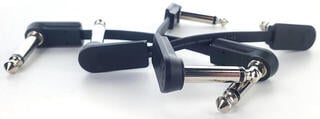
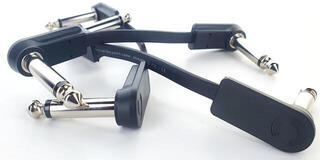
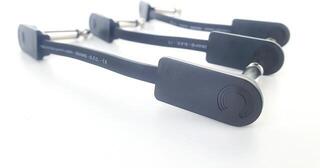
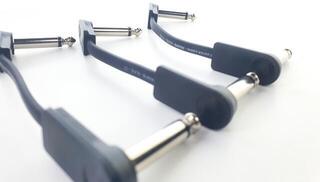
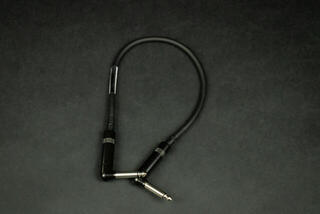
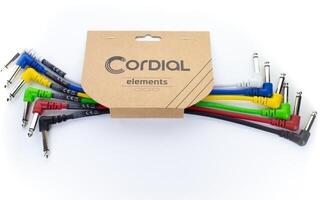
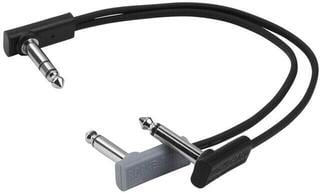
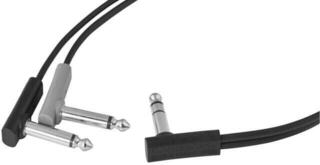
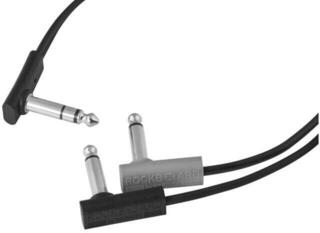
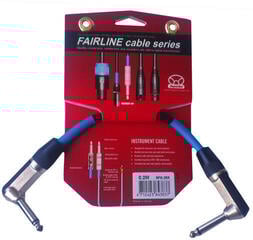
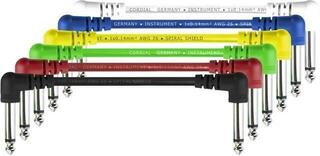
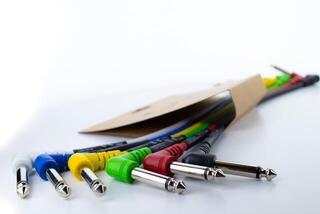
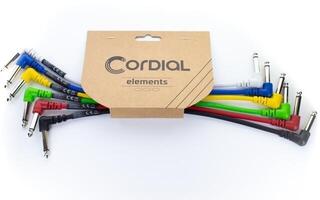
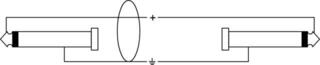
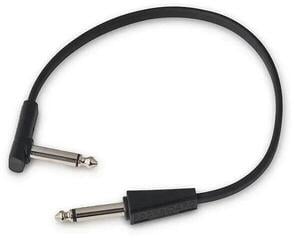
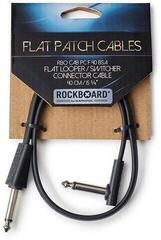
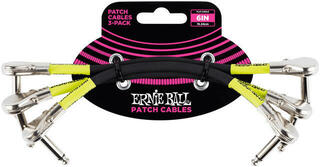
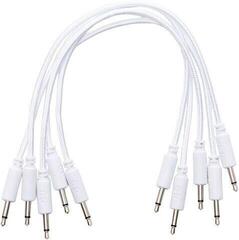
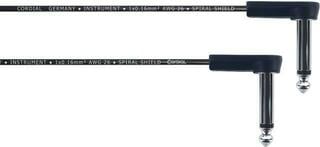
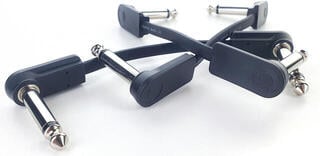
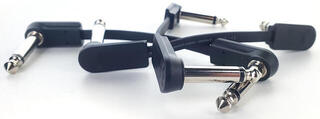
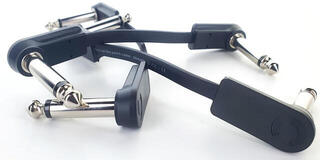
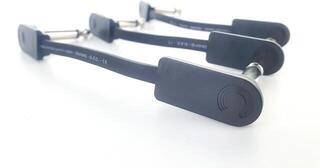
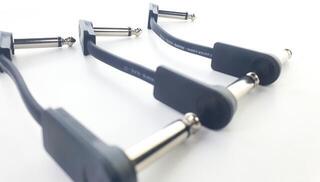
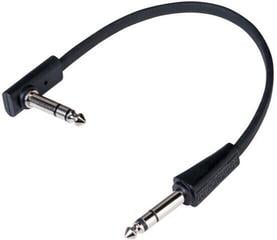
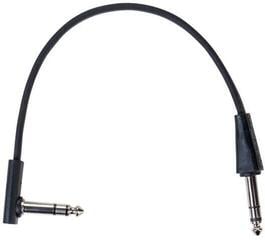
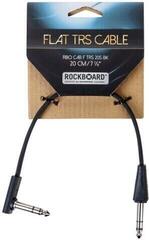
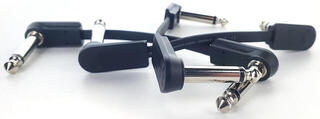
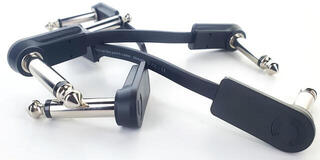
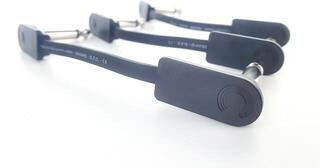
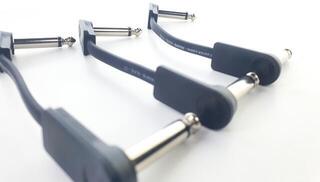
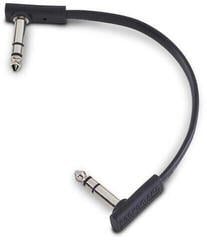
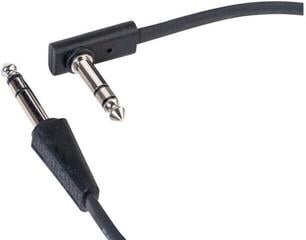
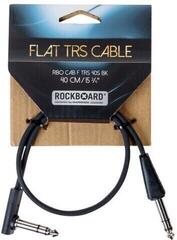
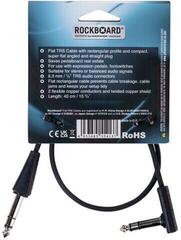
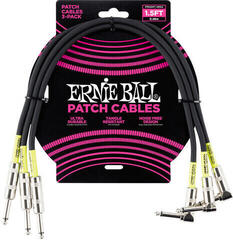
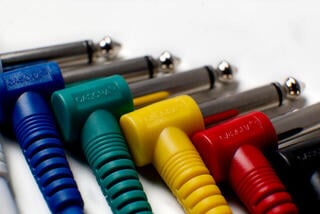
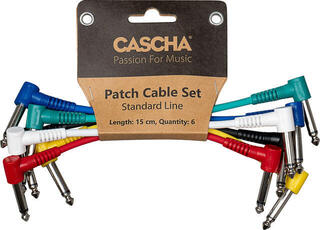
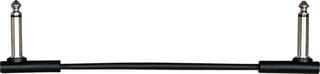
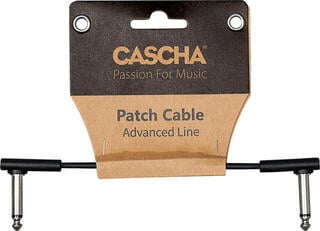
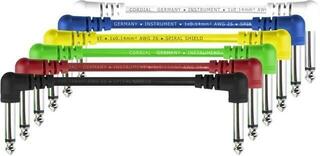
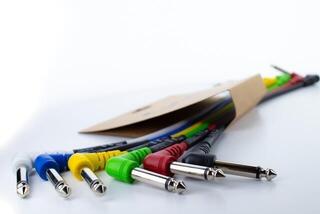
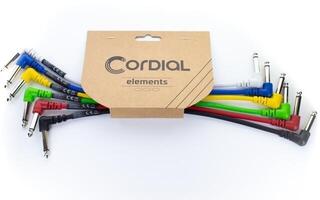
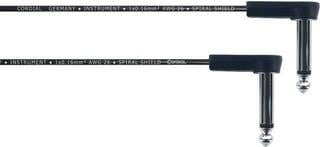
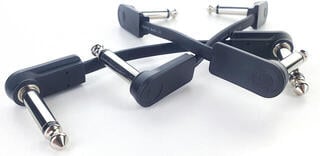
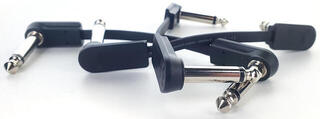
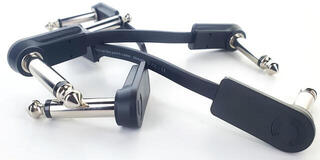
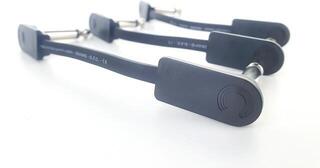
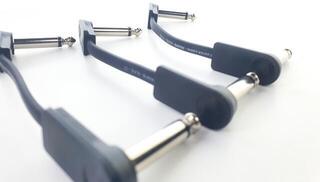
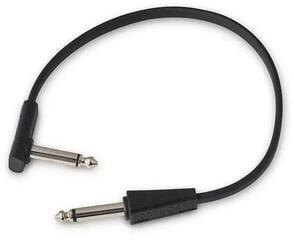
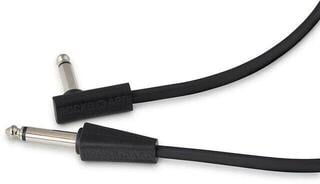
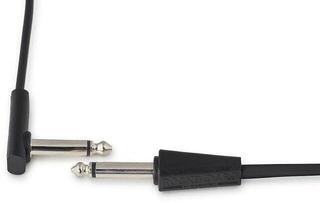
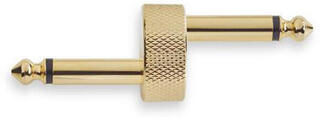
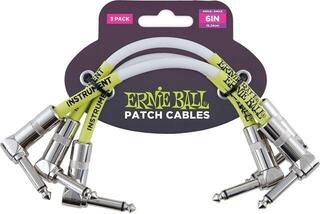
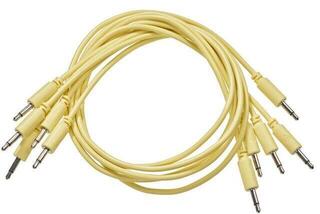
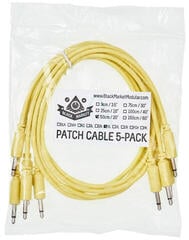
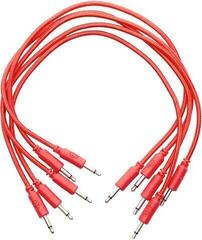
A patch cable connects devices placed close together, such as guitar pedals on a pedalboard, rack modules, or studio inputs and outputs. Connector type, signal wiring, length and shielding all matter when choosing one. A shorter cable keeps the rig tidy, but it still needs enough slack to avoid pulling on the sockets. Always match the TS or TRS designation to both the output and input you intend to connect.
TS or TRS: the same shape, different uses
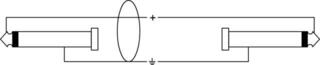
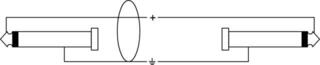
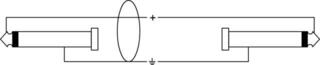
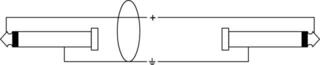
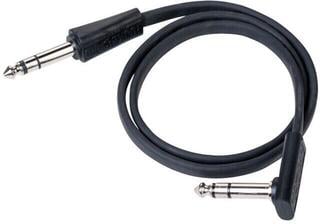
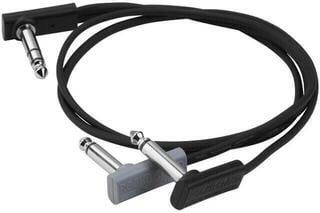
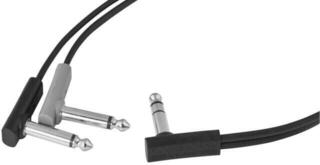
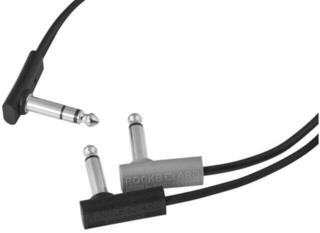
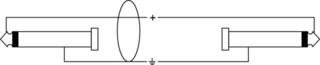
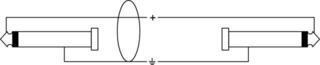
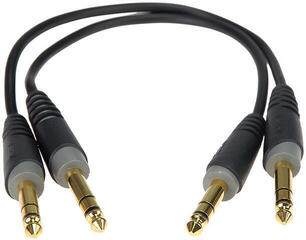
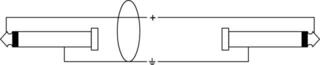
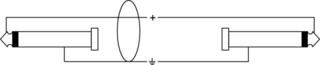
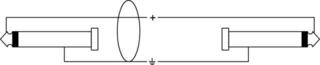
A TS plug has two contacts and usually carries one unbalanced channel. TRS has three contacts; depending on the equipment, it can carry one balanced mono signal or two unbalanced channels, such as left and right. The plug alone therefore does not tell you whether a signal is stereo or balanced. The wiring and specifications of both devices determine its function.
| Cable type | Typical use | What to check |
|---|---|---|
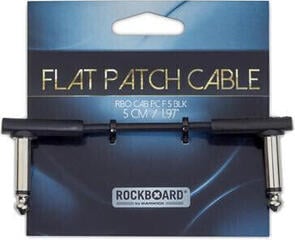
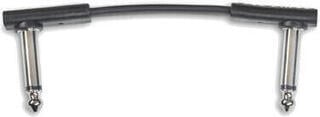
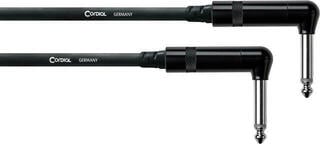
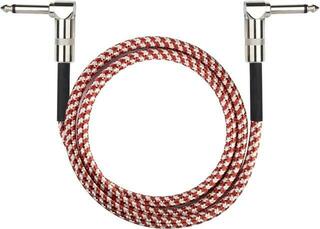
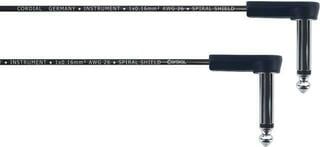
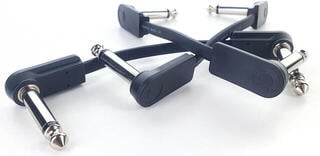
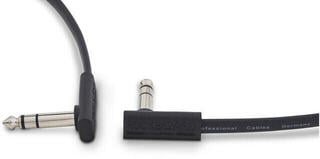
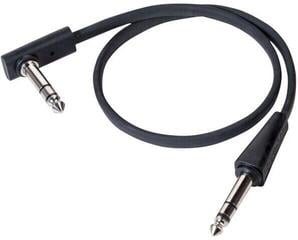
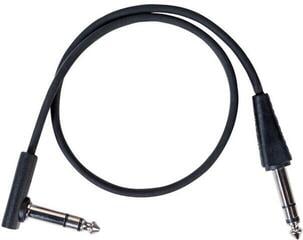
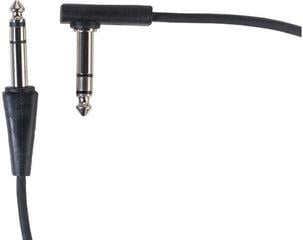
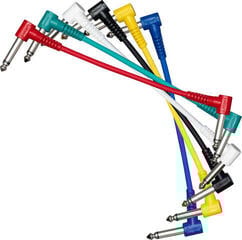
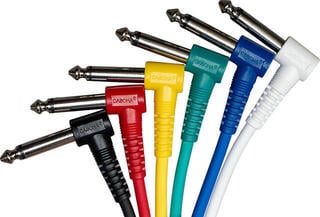
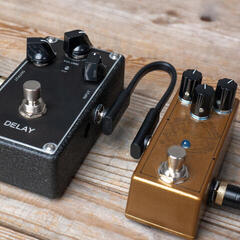
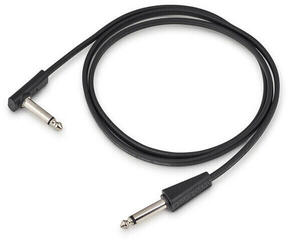
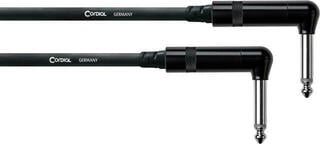
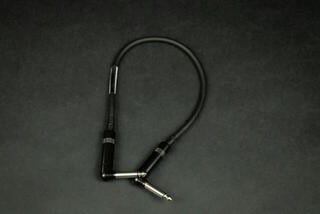
| TS patch cable | Connecting guitar pedals and other short unbalanced runs | Choose straight or right-angle plugs to suit the space between pedals |
| TRS patch cable | Balanced line connection or a specific stereo connection | TRS does not automatically mean stereo; check the socket function |
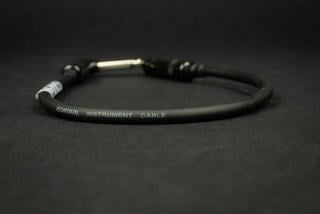
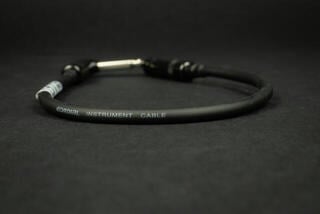
| Instrument cable | Guitar or bass to the first pedal or amplifier | Designed for a longer, more mobile run than a short patch cable |
| Microphone cable | Microphone to a preamp, mixer or audio interface | Most often uses XLR connectors and a balanced connection |
Choose the length for the application
Pedalboard
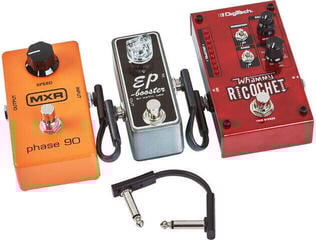
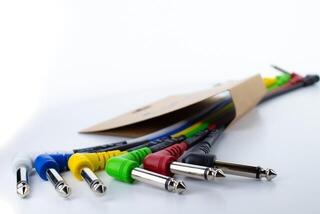
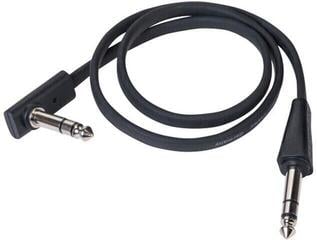
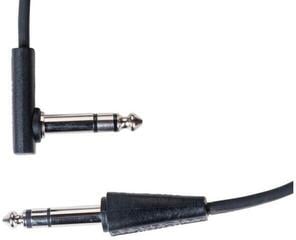
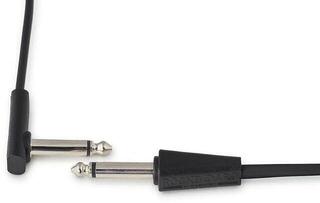
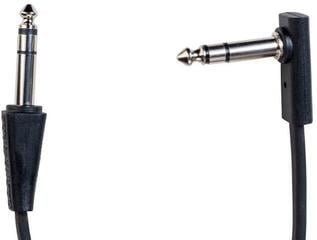
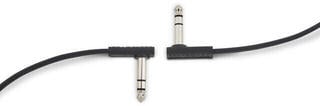
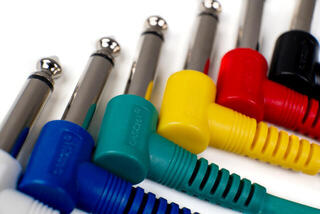
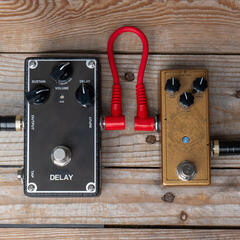
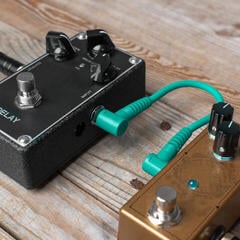
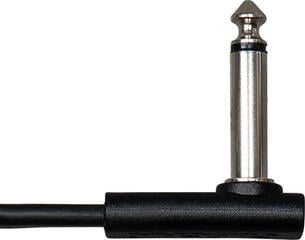
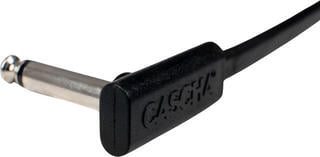
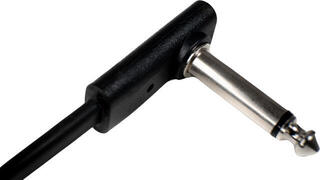
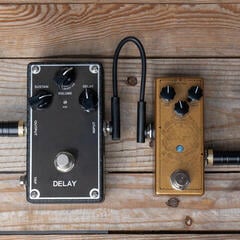
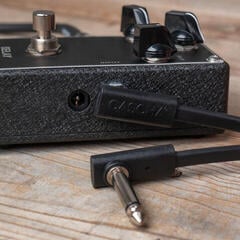
Use the shortest practical length between neighbouring pedals. Right-angle plugs save space around side-mounted sockets, while straight plugs may suit pedals with top-mounted connections better. Do not stretch the cable or bend it sharply behind the plug; a little slack reduces strain on the sockets when the pedalboard is moved.
Rack and patchbay
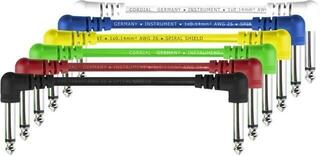
Measure the actual route around rack rails and between positions before ordering. Colour coding or labels at both ends make signal paths easier to trace. On a patchbay, also check the normal configuration and TS or TRS wiring, because an unsuitable cable can turn a balanced path into an unbalanced one.
Home studio
When connecting line outputs on a mixer, audio interface or effects unit, follow the labels for the specific sockets. Shielding helps reduce interference, but it cannot correct the wrong signal level or incompatible wiring. Avoid bundling excess cable tightly with power leads.
Signal-flow examples
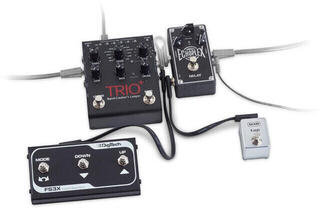
A pedalboard path might be guitar → instrument cable → first pedal → short TS patch cables between pedals → amplifier. In a studio, a mixer line output can feed an effects unit and return through TRS cables when the relevant inputs and outputs support balanced line connections. Check the connector, wiring and signal level at both ends before buying.