Albania
 Argentina
 Australia
 Austria
 Belgium
 Bosnia and Herzegovina
 Brazil
 Bulgaria
 Canada
 Chile
 Colombia
 Croatia
 Czech Republic
 Denmark
 Estonia
 Finland
 France
 Germany
 Greece
 Hungary
 Ireland
 Italy
 Latvia
 Lithuania
 Luxembourg
 Mexico
 Moldova
 Montenegro
 Netherlands
 New Zealand
 North Macedonia
 Norway
 Philippines
 Poland
 Portugal
 Romania
 Serbia
 Slovakia
 Slovenia
 South Africa
 Spain
 Sweden
 Switzerland
 Turkey
 Ukraine
 United Kingdom
 United States of America


Painting Easels
An easel holds a canvas or board at a comfortable working height and angle, helping to prevent strain on your back and shoulder. Your decision starts with the available space, the largest format you use, and whether the easel will remain in one place. Small paintings made at a table, regular studio work, and outdoor painting all have different requirements. Therefore, compare stability together with the footprint, weight, and adjustment range rather than assessing it separately.
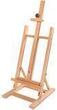
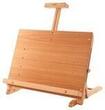
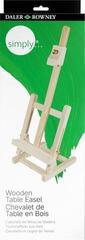
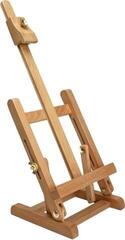
A tabletop easel saves space
A tabletop model is suitable for smaller canvases, painting while seated, and rooms where everything is put away after use. It requires a sturdy tabletop and enough space behind the canvas to prevent the structure from tipping under brush pressure. Before choosing, measure the height of your work surface and the distance between your eyes and the painting. If the easel offers only a slight angle, watch for runs when using wetter paint; in a very upright position, make sure the upper clamp does not press into the stretched canvas.
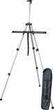
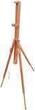
A field easel must withstand transport
When painting outdoors, weight, folded length, locking speed, and the stability of the legs on uneven ground are key. A lightweight structure is easy to carry, but in windy conditions it needs sensible weighting or a lower setup. Check whether the easel fits in your planned luggage together with the paints, palette, and canvas. Adjust telescopic legs one at a time and, before placing the canvas, test that none of the joints come loose.
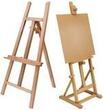
A studio easel for larger formats
A studio easel makes sense where it can remain set up. A wider base and sturdier vertical mast help support a larger frame, but take up more floor space and make moving it between rooms more difficult. For a tall canvas, check not only the stated maximum size but also whether the painting can be lowered to a comfortable position for working on the upper section. Casters are practical only if they have a reliable brake.
Comparing easels in real-life situations
| Workspace | Most important feature | Compromise |
|---|---|---|
| Table or small apartment | Compact storage and small footprint | Smaller range of formats |
| Plein air and transport | Weight and quick setup | Sensitivity to wind |
| Permanent studio | Stability and height adjustment | More space and greater weight |
Secure the canvas without deforming it
Set the lower support level and rest the frame on its entire edge, not just one corner. The upper holder should secure the canvas, not compress it so tightly that the frame twists. After changing the height, tighten the lock before leaning against the structure while working. You can find more equipment in the broader Painting category; Painting Canvases can also help you choose a suitable format.
Maintaining the mechanism and surface
Regularly remove dust and dried paint drops from guide rails and joints. Tighten screws carefully so the threads remain movable, and use lubricant only where the manufacturer permits it. Do not leave a wooden easel in damp conditions or next to a direct heat source; dry a metal one after outdoor use before folding it. This preserves the essential points of the original description: the differences between tabletop, field, and studio use, stable canvas mounting, and selection based on the workspace.