Albania
 Argentina
 Australia
 Austria
 Belgium
 Bosnia and Herzegovina
 Brazil
 Bulgaria
 Canada
 Chile
 Colombia
 Croatia
 Czech Republic
 Denmark
 Estonia
 Finland
 France
 Germany
 Greece
 Hungary
 Ireland
 Italy
 Latvia
 Lithuania
 Luxembourg
 Mexico
 Moldova
 Montenegro
 Netherlands
 New Zealand
 North Macedonia
 Norway
 Philippines
 Poland
 Portugal
 Romania
 Serbia
 Slovakia
 Slovenia
 South Africa
 Spain
 Sweden
 Switzerland
 Turkey
 Ukraine
 United Kingdom
 United States of America


Painting Canvases
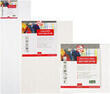
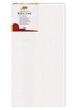
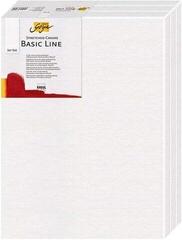
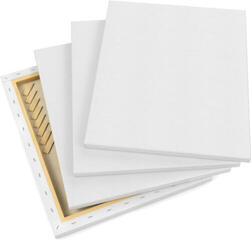
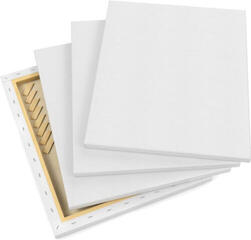
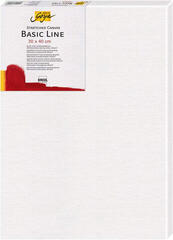
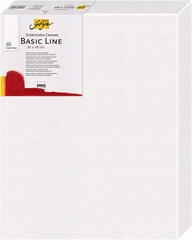
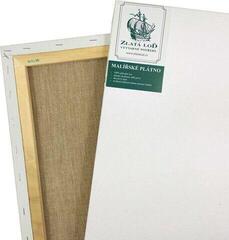
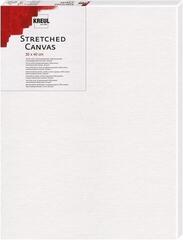
A painting canvas is not merely the size of a picture, but a system comprising fabric, tension, frame, and primer. Each of these layers changes how the brush behaves, how much paint is used, and how details appear. A ready-to-paint prepared canvas is usually practical for a first project, while a roll makes sense for custom formats or a series. Your technique, preferred surface texture, and intended layering method will help refine the choice.
Cotton, linen, board, or roll
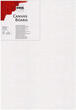
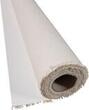
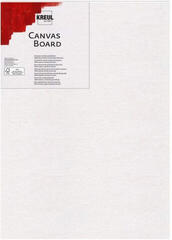
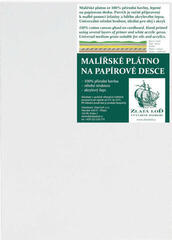
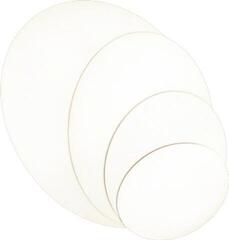
Cotton canvas is flexible and available in many standard sizes. Linen is generally stronger, has a characteristic weave, and is sought after for finer or long-term work, but it is not automatically the better choice for every painting. Canvas board takes up little space, does not flex under pressure, and is suitable for studies or smaller formats. Rolled canvas needs to be stretched or glued to a rigid support; its advantage is freedom of size, while its disadvantage is the additional preparation.
Texture determines the brush mark
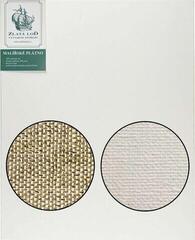
A finer weave makes thin lines, smooth transitions, and small portrait details easier. A more pronounced grain remains visible beneath the paint and supports impasto marks or energetic painting. The texture shows through transparent layers sooner than through a thick opaque application. If you are unsure, make a small test at the edge using thin, medium, and thick layers; you will immediately see how much paint the surface absorbs.
Grounds for acrylic, oil, and mixed media
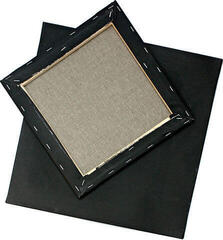
Acrylic paint can be used on a wide range of prepared canvases, but an overly absorbent ground may quickly draw water from the brush. For oil painting, check that the ground separates the oil binder from the fabric and that the manufacturer specifies the canvas as suitable for this technique. For collage or texture paste, consider the frame's strength and the weight of the layer; a large relief can strain lightly tensioned canvas. A black ground, available as Painting Canvases – Black, changes the order of work: light and metallic tones stand out sooner, while the ground itself already provides dark shadows.
Frame, tension, and aspect ratio
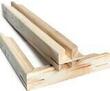
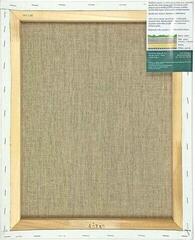
The canvas should be flat, with no warped corners and uniform resistance across the entire surface. A deeper frame looks more substantial without additional framing, but projects farther from the wall. A square format supports a central composition, a wide horizontal format suits landscapes, and a tall rectangle suits figures or vertical subjects; these are not mandatory rules, but they help you anticipate the composition. When creating a series, decide on the aspect ratios before purchasing so the individual works look cohesive together.
A quick guide to canvas supports
| Canvas type | Strength | What to consider |
|---|---|---|
| Stretched cotton | Ready for general use | Flexibility and texture |
| Stretched linen | Strength and fine weave | Higher price and specific ground |
| Canvas board | Stability in a small format | No depth of a traditional frame |
| Roll | Custom size | Additional preparation required |
Storage before and after painting
Keep clean canvas dry and away from dust and sharp objects. Carry it by the wooden frame, not the stretched fabric, and do not place heavy objects in the center of the surface. Separate wet paintings so the painted surface touches nothing. The Painting category brings together more supports and tools; Easels help you set a suitable working position.