 Albania
 Argentina
 Australia
 Austria
 Belgium
 Bosnia and Herzegovina
 Brazil
 Bulgaria
 Canada
 Chile
Chile
 Colombia
 Croatia
 Czech Republic
 Denmark
 Estonia
 Finland
 France
 Germany
 Greece
 Hungary
 Ireland
 Italy
Italy
 Latvia
 Lithuania
 Luxembourg
 Mexico
 Moldova
 Montenegro
 Netherlands
 New Zealand
 North Macedonia
 Norway
 Philippines
 Poland
 Portugal
 Romania
 Serbia
 Slovakia
 Slovenia
 South Africa
 Spain
Spain
 Sweden
 Switzerland
 Turkey
 Ukraine
 United Kingdom
 United States of America



Basses
The bass guitar connects rhythm and harmony and, together with the drums, forms the foundation of a band. Your choice should therefore reflect more than looks: consider the music you want to play, the number of strings, and whether the instrument is for home practice, rehearsals or gigs. A beginner will often be well served by a bass and a small combo, while an experienced player may prefer a separate head and speaker cabinet. The guide below explains the practical differences between the main bass types and basic amplification options.
Acoustic or electric bass?
An acoustic bass has a hollow body and can suit small ensembles, acoustic rehearsals and practice. Its character and volume depend on the particular construction; if you want to connect it to an amplifier, check the pickup and output provided.
An electric bass normally relies on amplification. At home, you can use a bass combo or a suitable headphone solution; for rehearsals and gigs, the usual options are a combo or a head with a cabinet. Think about where you will play most often and what equipment you can use there.
How many strings do you need?
A four-string bass is a natural starting point for a first instrument and for players who do not need an extended range. Five- and six-string models add notes, but they also change the feel of the neck and the spacing between strings. More strings do not automatically make a better instrument. What matters is whether you will use the extra range and whether the neck feels comfortable.
If you are starting out, check the string count and tuning used in the songs you want to learn. A favourite bassist can provide inspiration, but their instrument may not suit your hands, budget or practice space. If possible, test your left-hand reach, right-hand position and comfort both seated and standing.
Body style and instrument focus
Labels such as Jazz Bass, Precision Bass, Modern Bass and Hard & Heavy help narrow the choice by construction style and appearance. They do not dictate what music you have to play. Similarly shaped models can differ in pickups, controls, neck dimensions and overall feel, so compare the specifications and ergonomics of each instrument.
| Type | Who may find it suitable | What to check |
|---|---|---|
| Jazz Bass | Players looking for a traditional shape and different ways to use the pickups | Neck profile, control layout and right-hand comfort |
| Precision Bass | Players who prefer a simple, classic approach | Neck feel, balance and the specific pickup configuration |
| Modern Bass | Players interested in contemporary shapes or broader control options | String count, electronics and ergonomics |
| Hard & Heavy | Musicians who want a striking stage appearance | Seated comfort, strap balance and access to upper positions |
Choose a bass for the way you play
First instrument and home practice
For a first setup, choose equipment that lets you practise regularly without complicated connections. A practical starting set consists of a bass, small bass combo, instrument cable, strap and tuner. For quiet playing, check for a headphone output or choose a separate headphone solution. Match the amplifier power to the room and purpose rather than simply choosing the highest figure.
Rehearsals and playing in a band
In a band, you need to hear your playing alongside the drums and other instruments. The right rig depends on the band's volume, room size and available PA. Find out whether you will carry the full rig, use rehearsal-room equipment or send your signal to the sound system. These conditions often decide whether a combo or a separate head and cabinet is more practical.
Players looking for a wider range
Five- and six-string basses make sense when you will use the additional notes in arrangements, solo playing or a particular band tuning. Compare their feel with a four-string alternative. Base the decision on your songs and technique, not only on a genre label.
Combo or head and cabinet?
A bass combo combines the amplifier and speaker in one enclosure. It is straightforward to connect and can be convenient at home or when carrying equipment. A separate bass head and speaker cabinet let you select both parts independently, but you must check that they are compatible. Do not match components solely by their connectors or appearance; follow the manufacturer's requirements.
Consider band volume, room size, transport and whether you need headphones or an output to the PA. A home practice combo may not cover a loud rehearsal, while a large rig can be impractical in a flat. Choose equipment that fits the space and does not make every practice session difficult to arrange.
Effects and essential accessories
Bass effects are not required for good playing, but they can expand your sound options. A single pedal addresses a specific task, while a multi-effect combines several types of processing. Decide whether you need it for practice, switching sounds in a band or a particular song.
Useful accessories include suitable strings, a bag or case, strap, cable and tuner. Select strings for the instrument type, scale length and feel you prefer; if unsure, follow the bass manufacturer's information. A soft bag is convenient for everyday carrying, while a hard case provides greater mechanical protection.
Deals Bass guitars

Bass guitars for beginners

How to choose a bass guitar
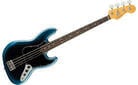
Unboxed: Basses
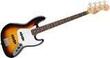
Bundles: Electric Basses
Electric Basses
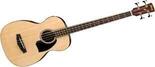
Acoustic Basses
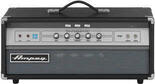
Bass Heads
Bass Speaker Cabinets
Bass Combos
Bass Effects

Wireless Systems for Guitar and Bass

In-Ear Monitoring
Strings for Basses
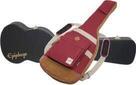
Cases and Bags for Basses
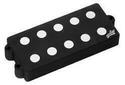
Pickups for Basses

Spareparts for Basses

Bass Stands and Wall Mount Holders
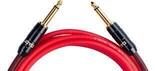
Cables for Basses
Tuners

Picks

Guitar Straps

Sheet Music for Bass Guitars

Guitar Cleaning and Maintenance

Guitar Accessories
Tools for Guitar

Metronomes
Popular Brands