 Albania
 Argentina
 Australia
 Austria
 Belgium
 Bosnia and Herzegovina
 Brazil
 Bulgaria
 Canada
 Chile
Chile
 Colombia
 Croatia
 Czech Republic
 Denmark
 Estonia
 Finland
 France
 Germany
 Greece
 Hungary
 Ireland
 Italy
Italy
 Latvia
 Lithuania
 Luxembourg
 Mexico
 Moldova
 Montenegro
 Netherlands
 New Zealand
 North Macedonia
 Norway
 Philippines
 Poland
 Portugal
 Romania
 Serbia
 Slovakia
 Slovenia
 South Africa
 Spain
Spain
 Sweden
 Switzerland
 Turkey
 Ukraine
 United Kingdom
 United States of America



Baritone Saxophone Reeds | page 2
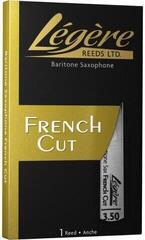
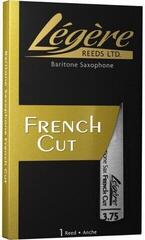
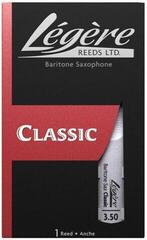
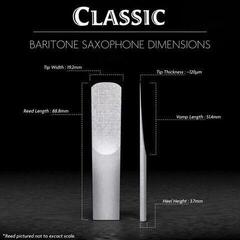
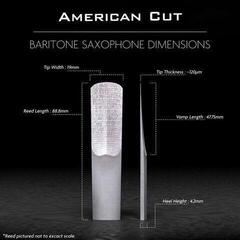
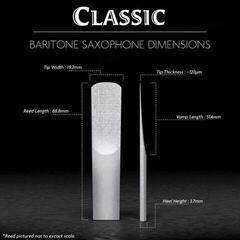
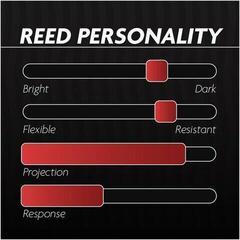
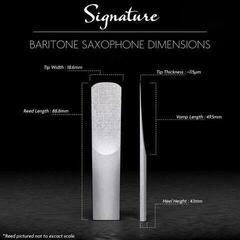
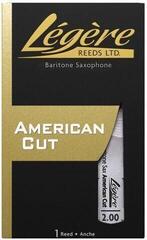
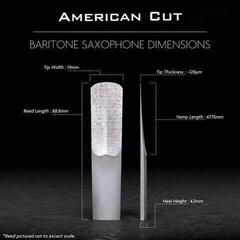
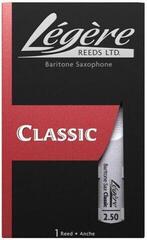
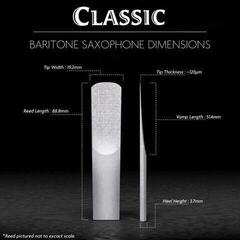
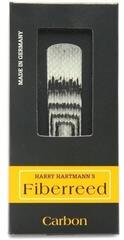
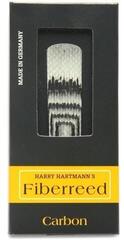
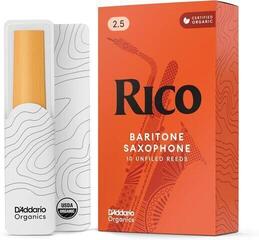
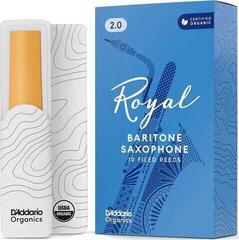
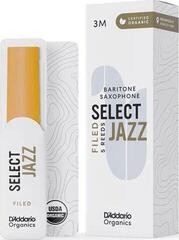
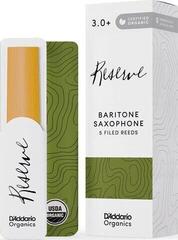
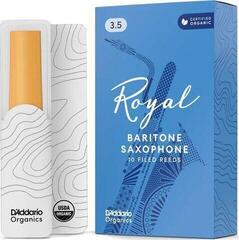
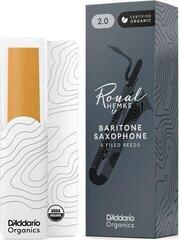
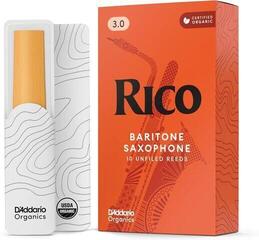
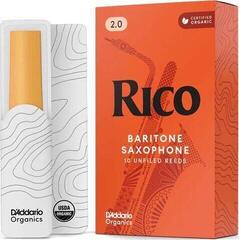
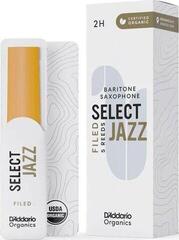
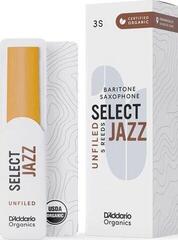
Baritone saxophone reeds are made for the large baritone mouthpiece; soprano, alto and tenor sizes do not replace them. The reed affects the attack, blowing resistance and support of the low tone. Check the baritone designation, strength, material and pack quantity. A suitable model responds without excess pressure and remains stable at stronger dynamics.
Match strength to the mouthpiece
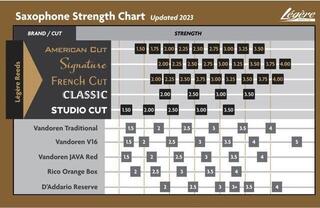
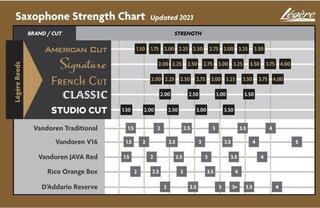
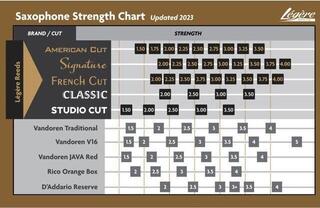
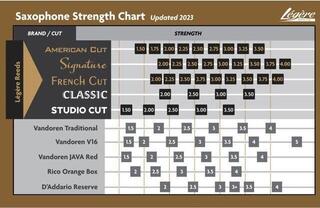
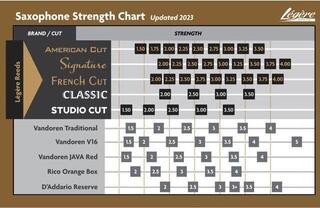
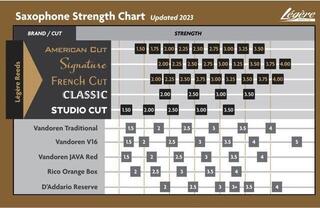
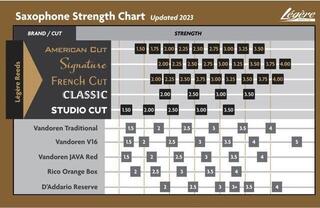
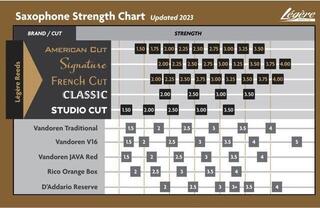
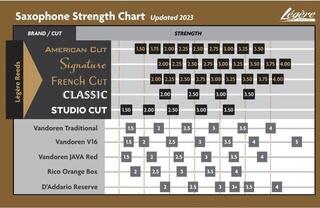
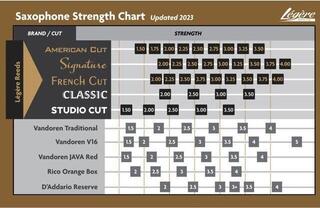
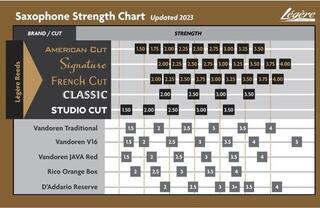
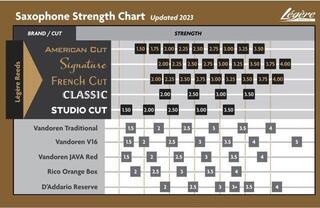
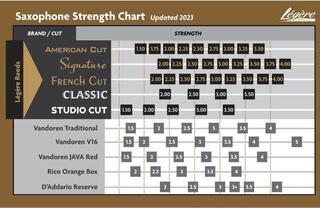
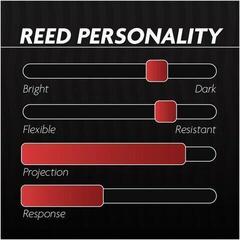
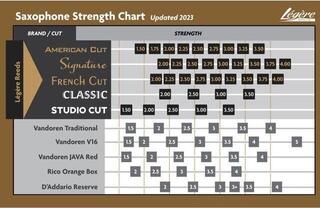
A softer reed usually speaks more easily but may be too flexible on a particular mouthpiece when played loudly. A harder one gives more resistance, yet it is a poor match if you constantly have to force it. As makers' scales differ, consult a strength comparison and test a small pack when changing range.
Packs and spare reeds
One damaged reed can interrupt a rehearsal or concert, so keep a familiar spare ready. Rotate natural reeds and let them dry flat after playing. When moving to synthetic material, do not assume that the feel or numbered strength will be identical; follow the manufacturer's information.
Before ordering a larger pack, confirm that the reed matches your baritone mouthpiece and responds evenly in the registers you normally use. This avoids building up a stock of an unsuitable model.